Emotion
1966
No user ratings available yet
Representation score: 8.1 out of 10
Representation Score
Good
1982
Director
Nobuhiko Obayashi
Runtime
93 minutes
Average Rating
No ratings yetNew Showbiz Analysis
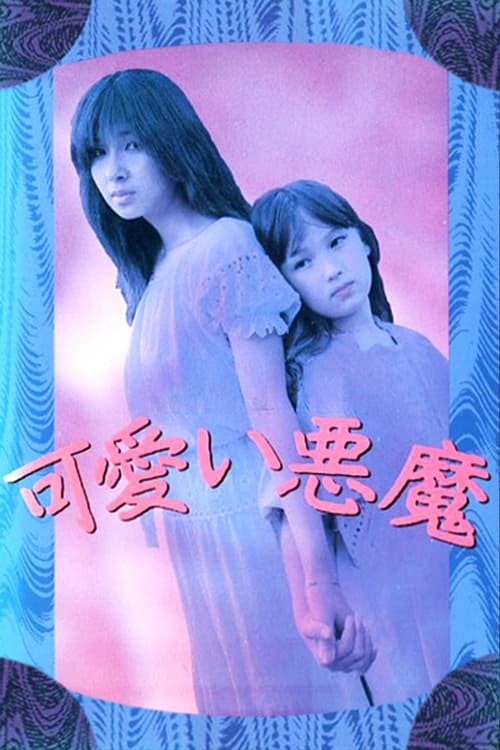
Nobuhiko Obayashi’s *Cute Devil* functions as a psychological disruption of the traditional domestic drama. By prioritizing subjective experience over institutional truth, the film explores the instability of the family unit and the reliability of the home. The narrative architecture leans into moral ambiguity, particularly regarding mental health and familial roles. While it lacks explicit modern identity politics, its deconstruction of social hierarchies aligns it with progressive, postmodern cinematic trends. Ultimately, the film uses horror and fantasy to challenge the perceived stability of domestic norms and the authority of the medical establishment.
Category Breakdown
The film does not include specific depictions of LGBTQ+ identities or romantic relationships. Its score reflects a moderate baseline for the era and genre.
The film centers around Ryoko's perspective as she investigates her sister's death, highlighting her role in driving the story. Her perception challenges traditional family structures.
As a Japanese production, the film maintains a culturally specific and homogeneous framework, reflecting the standard representation of its domestic origin.
The narrative challenges idealized views of childhood innocence by framing a child as a source of horror, disrupting the sanctity of the family.
The protagonist's history with a mental hospital introduces themes of psychological vulnerability. The story focuses on the validity of her subjective, fractured reality.
Present on Screen
Limited or Absent
Official Synopsis
Ryoko visits brother-in-law Koji to recover from her time at a mental hospital. But she becomes increasingly convinced that Koji's eight year old niece Alice was responsible for her sister Fuyuko's death. Several horrific deaths follow.
1966
1968
1999
1973
1988
1981

2008
1989
No reviews yet. Be the first to share your thoughts on this movie!
Use the rating form above to leave a star rating and optional review.