El horrible ser nunca visto
1966
No user ratings available yet
Representation score: 6.2 out of 10
Representation Score
Good
1989
Not RatedDirector
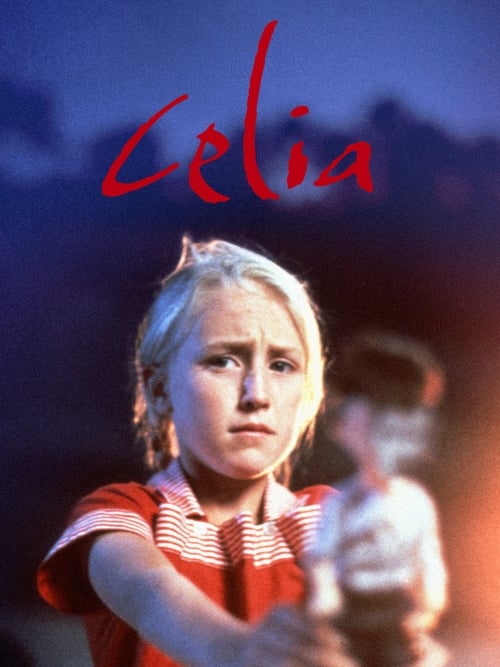
Ann Turner
Runtime
103 minutes
Average Rating
No ratings yetNew Showbiz Analysis
Celia is a psychological deconstruction that uses gothic horror to explore individual fragmentation against systemic pressures. It succeeds most notably in its subversion of traditional gender hierarchies and its rejection of conventional moral hierarchies. However, the film's impact is limited by a lack of multi-layered diversity, focusing primarily on a specific socioeconomic and ethnic context. Ultimately, the work functions as a complex study of female autonomy and psychological volatility, while relying on established genre clichés regarding mental health.
Category Breakdown
The film does not include explicit LGBTQ+ characters or relationships outside of traditional heterosexual norms. While it touches on unconventional desires, it does not provide a clear framework for understanding queer identities.
The film centers the female perspective, focusing on the protagonist's inner life rather than traditional gender roles. It challenges gender hierarchies by presenting a complex, self-driven exploration of female autonomy.
Set in 1950s Australia, the film features a predominantly white, Eurocentric cast. It lacks diverse racial representation, reflecting the homogeneous society of the time.
The film avoids traditional religious condemnation, instead focusing on the psychological aspects of its characters. It prioritizes subjective experiences over moral absolutes.
The story explores neurodivergence through the protagonist's psychological instability. While the character maintains ability to act, the depiction leans into the 'madwoman' cliché common in gothic horror.
Present on Screen
Limited or Absent
Official Synopsis
In 1950s Australia, young Celia is growing up with a sense of isolation and mistrust of the world that surrounds her. Her mother and father won't let her play with the kids next door because their parents are communists. Then her pet bunny is taken away because of rabbit overpopulation. And, more traumatizing yet, when her grandmother dies, she's the one to discover the corpse. To cope, she retreats into elaborate fantasies.
1966

1990
2019
1988

1982
1986
1992

2015
No reviews yet. Be the first to share your thoughts on this movie!
Use the rating form above to leave a star rating and optional review.