
The Captive Heart
1946
No user ratings available yet
Diversity score: 2.1 out of 10

1944
NRDirector
Lewis Milestone
Runtime
99 minutes
Average Rating
No ratings yetSynopsis
This is the story of the crew of a downed bomber, captured after a run over Tokyo, early in the war. Relates the hardships the men endure while in captivity, and their final humiliation: being tried and convicted as war criminals.
Overall Score
Minimal
Category Breakdown
LGBTQ+ Representation
The film contains no visible LGBTQ+ characters or explorations of non-heteronormative identities. Interpersonal dynamics are strictly defined by traditional masculine camaraderie and heterosexual archetypes.
Gender Representation
The narrative is almost exclusively male-centric, focusing on the brotherhood of a bomber crew. Female characters serve primarily as emotional anchors or romantic motivators rather than autonomous agents.
Racial & Ethnic Diversity
The cast is predominantly homogeneous, reflecting 1944 American casting practices. The story presents a largely Anglo-Saxon perspective of the conflict without significant racial blending or diverse casting.
Religious & Cultural Diversity
The film reinforces traditional Western institutions, emphasizing patriotism and military hierarchy. It explores the hardships of war through a lens of service, duty, and sacrifice.
Disability Representation
Physical injury and combat trauma are central to the plot. These elements highlight sacrifice but lack a modern focus on neurodivergence or the agency of characters with disabilities.
Strengths
Areas for Improvement
AI Analysis
The Purple Heart is a period-specific artifact that prioritizes wartime morale and traditional social hierarchies. Its narrative architecture is built around mid-century values of duty and nationalistic resilience. The film lacks intersectional breadth, presenting a homogeneous perspective that reinforces established norms of gender and race. While it explores the psychological toll of captivity, it does so within a rigid, conventional framework. Ultimately, the production functions as a reinforcement of Western institutional authority, focusing on the brotherhood of soldiers rather than subverting social structures.
1946

1944
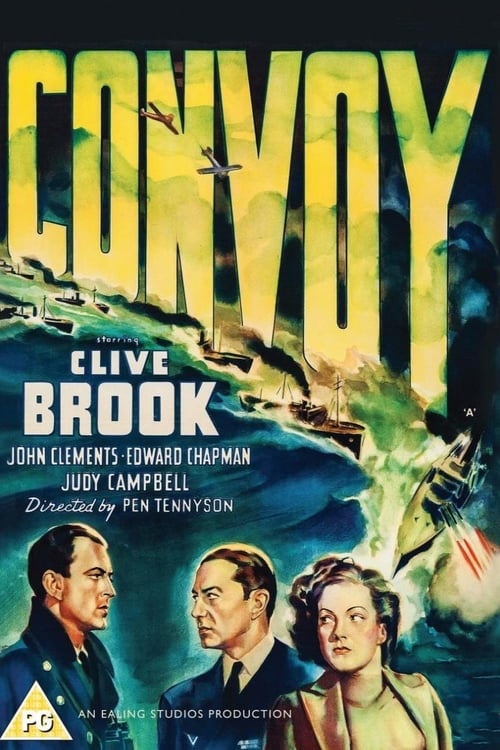
1940
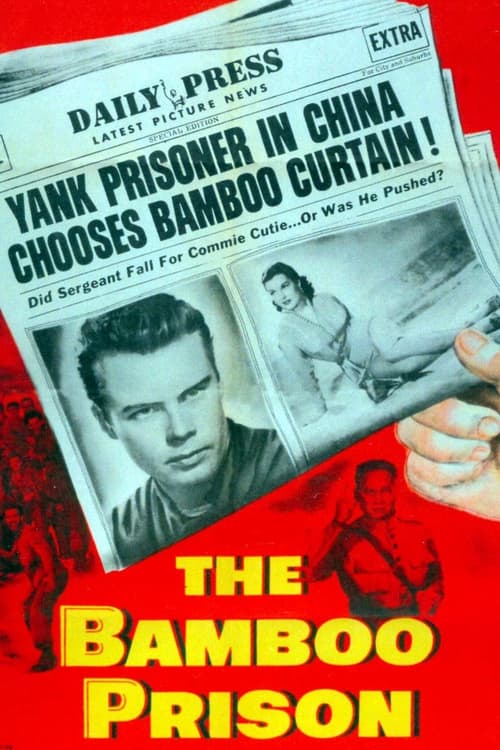
1954
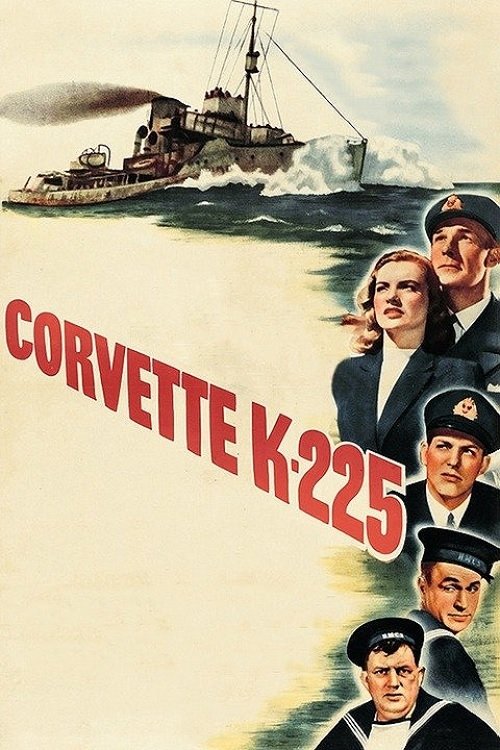
1943

1954

1952
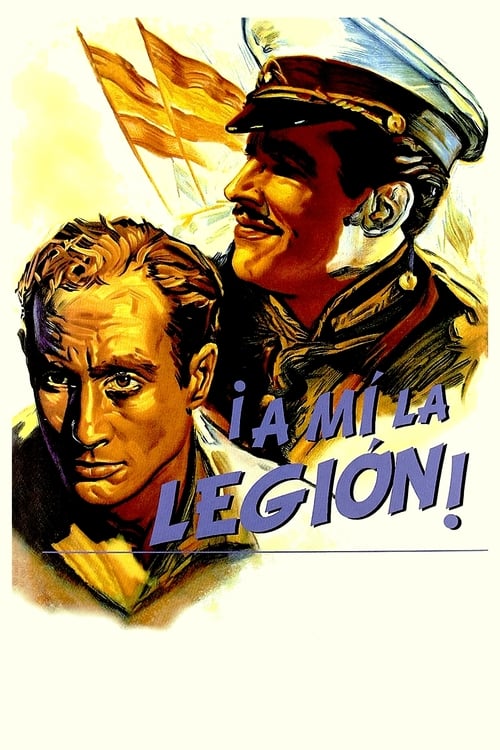
1942
1954

1963
1945

1943
No reviews yet. Be the first to share your thoughts on this movie!
Use the rating form above to leave a star rating and optional review.