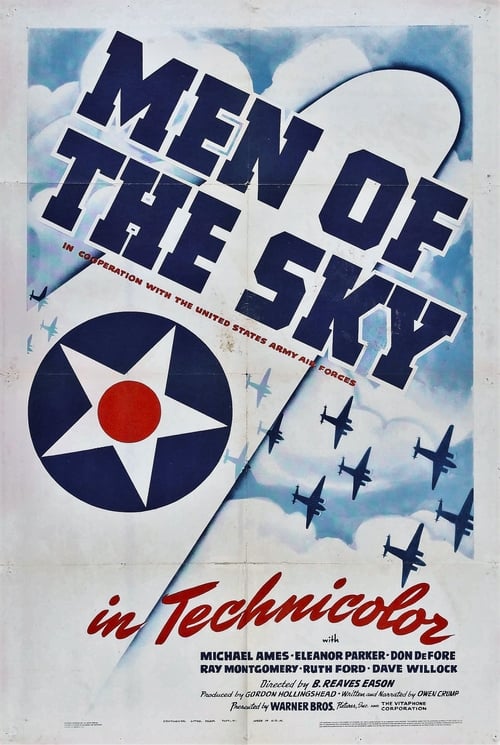
Men of the Sky
1942
No user ratings available yet
Diversity score: 0.9 out of 10
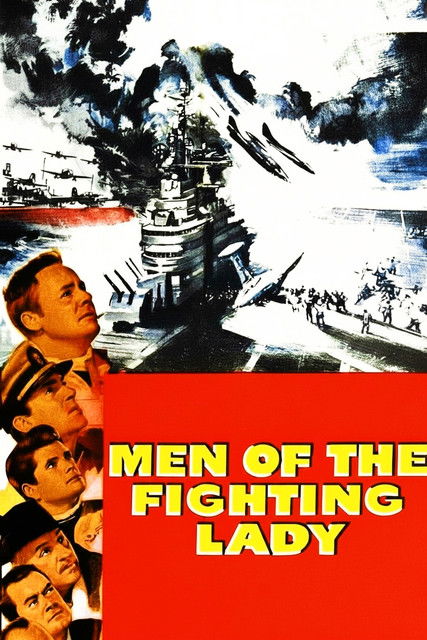
1954
NRDirector
Andrew Marton
Runtime
79 minutes
Average Rating
No ratings yetSynopsis
A writer visits an aircraft carrier during the Korean war to learn more about it and the way it's run. He also gets to find out more about the Navy and Marine aviators themselves, their internal and external conflicts and dangers of their job.
Overall Score
Minimal
Category Breakdown
LGBTQ+ Representation
The film contains no discernible LGBTQ+ characters or non-heteronormative expressions. It operates within a strictly heteronormative framework consistent with 1950s cinematic standards.
Gender Representation
Narrative agency is centered almost exclusively on male leadership and combat roles. Women are peripheral figures, absent from the operational and decision-making spheres of the aircraft carrier.
Racial & Ethnic Diversity
The cast reflects the demographic homogeneity of the mid-1950s US Navy. It lacks racial diversity and presents a monolithic view of the military institution.
Religious & Cultural Diversity
The film celebrates Western institutional strength and patriotism. It emphasizes respect for the chain of command and the legitimacy of the military mission without moral relativism.
Disability Representation
There is no visible or meaningful representation of neurodivergence or physical disability. Characters are defined solely by the fitness required for combat service.
Strengths
Areas for Improvement
AI Analysis
Men of the Fighting Lady functions as a traditionalist military procedural that reinforces mid-20th-century social hierarchies. The film prioritizes patriarchal leadership and nationalistic cohesion, offering a portrait of wartime service that validates the existing social order. The narrative lacks the mechanisms to challenge conventional norms. By focusing on the technical and combat roles of male aviators, the film presents masculinity as synonymous with military competence and command. Ultimately, the work provides a cohesive, patriotic view of the era's dominant social frameworks. It adheres to the demographic standards of the 1950s, presenting a monolithic and homogeneous depiction of the US Navy.
1942
1963
1957
1940
1943
1941
1954

1960

1955

1952
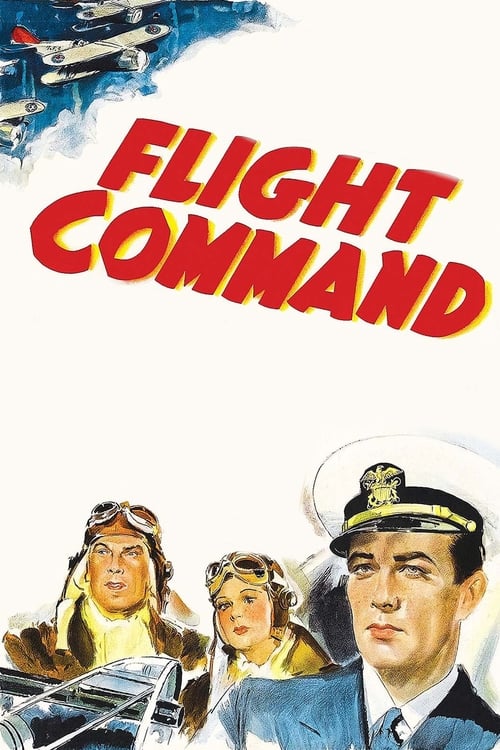
1940

1943
No reviews yet. Be the first to share your thoughts on this movie!
Use the rating form above to leave a star rating and optional review.