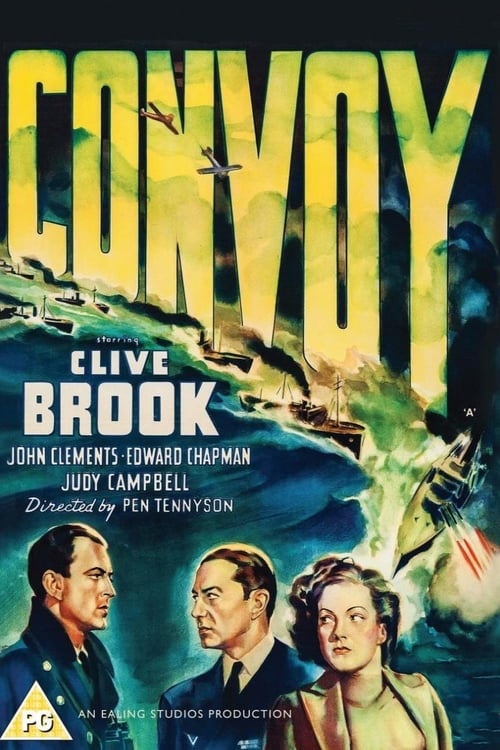
Convoy
1940
No user ratings available yet
Representation score: 2.3 out of 10
Representation Score
Minimal
1954
NRDirector
Lewis Gilbert
Runtime
91 minutes
Average Rating
No ratings yetNew Showbiz Analysis
The film functions as a traditional wartime drama centered on duty and institutional cohesion. It operates within the strict social and cinematic conventions of its time, prioritizing military hierarchy and collective discipline over individual or diverse perspectives. Because the narrative focuses on a singular, homogeneous view of the Allied military effort, it lacks any engagement with underrepresented identities. The story serves to validate the status quo and the necessity of wartime authority. Ultimately, the film provides a cohesive narrative of survival and patriotism but offers no exploration of the varied human experiences.
Category Breakdown
The film does not include any depictions of LGBTQ+ identities or same-sex relationships. It adheres to a strictly heterosexual perspective without any narrative elements that challenge this norm.
This is an all-male cast that reinforces traditional masculine roles and hierarchies. The story focuses on military discipline and stoicism, offering no female characters to challenge established gender roles.
The cast and setting feature a homogeneous white British demographic. There is no representation of characters from diverse ethnic backgrounds.
The narrative reinforces Western institutional values, particularly patriotism and military service. It emphasizes the stability of the wartime social order without offering any secularist or anti-Western critiques.
There is no representation of physical, sensory, or neurodivergent disabilities. Characters are defined solely by their capacity for physical survival and their utility within a military context.
Present on Screen
Limited or Absent
Official Synopsis
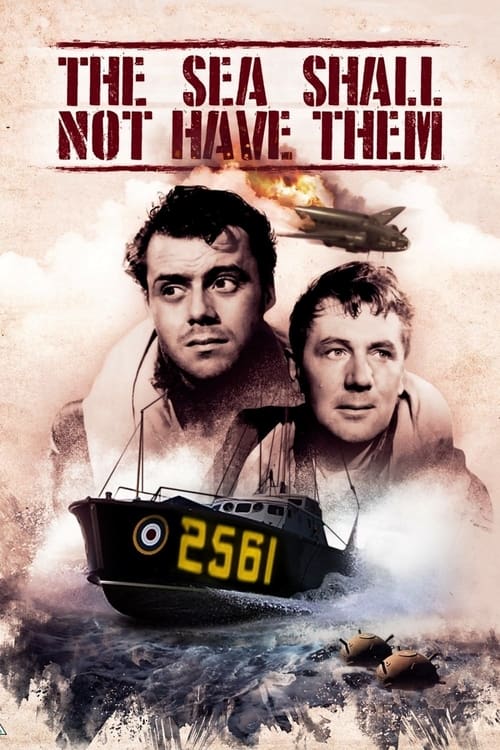
During the autumn of 1944, RAF Hudson, carrying a VIP passenger in possession of highly secret information, is shot down and ditches in the North Sea. Fighting the elements and trying to keep up morale, the occupants of the aircraft's dinghy talk about their lives awaiting the rescue they hope will come. The film's title reflects the motto of the RAF's Air Sea Rescue Service, one of whose high speed launches battles against its own mechanical problems, enemy action, time and the weather to locate and rescue the downed crew and the vital secret papers they carry.
1940

1942

1952

1949

1964

1945
1963

1944
No reviews yet. Be the first to share your thoughts on this movie!
Use the rating form above to leave a star rating and optional review.