
Convoy
1940
No user ratings available yet
Representation score: 2.3 out of 10
Representation Score
Limited
1943
NRDirector
Richard Rosson
Runtime
98 minutes
Average Rating
No ratings yetNew Showbiz Analysis
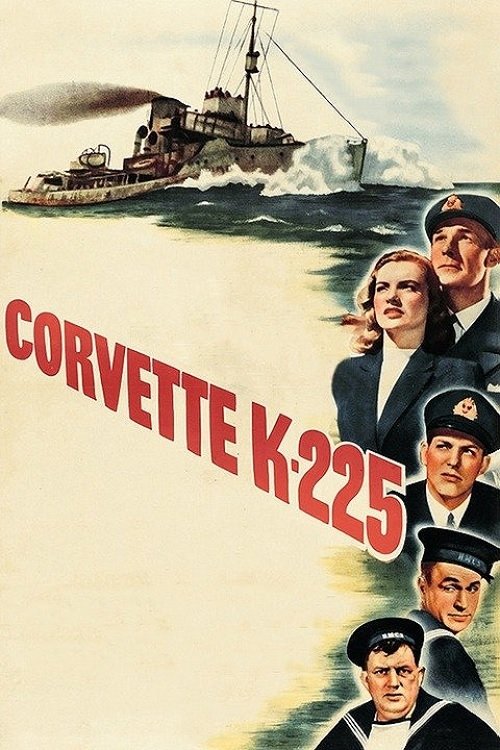
Corvette K-225 is a product of the 1943 studio system, designed to support wartime mobilization and national unity. The film follows a conventional narrative structure centered on a Canadian naval vessel and its captain, prioritizing military hierarchy over social complexity. The production reflects the era's emphasis on traditionalism and institutional loyalty. It functions as a patriotic tool rather than a medium for exploring diverse identities or challenging the social status quo. Ultimately, the film lacks diversity across all measured categories, mirroring the restrictive social and cinematic norms of the early 1940s.
Category Breakdown
The film adheres to the strict assumption that everyone is straight or cisgender standards of 1943. Cinematic depictions of non-traditional gender identities are virtually non-existent in this era due to heavy industry censorship.
The narrative reinforces traditional hierarchies, focusing on male command and control. Female characters likely occupy supportive or domestic roles rather than leading military structures.
The cast likely reflects the homogeneous demographic norms of the 1940s Western military. There is no evidence of significant racial blending or characters of color with substantial influence.
As a wartime drama, the film promotes patriotism and institutional loyalty. It emphasizes traditional Western values and singular moral clarity common to the period.
Disabilities in this era were often used as plot devices or symbols of sacrifice. There is no indication of nuanced or neurodivergent representation in the story.
Present on Screen
Limited or Absent
Official Synopsis
The story of a Canadian WWII naval vessel, with a dramatic subplot concerning her first captain.
1940

1942

1946

1945
1943

1958

1940

1957
No reviews yet. Be the first to share your thoughts on this movie!
Use the rating form above to leave a star rating and optional review.