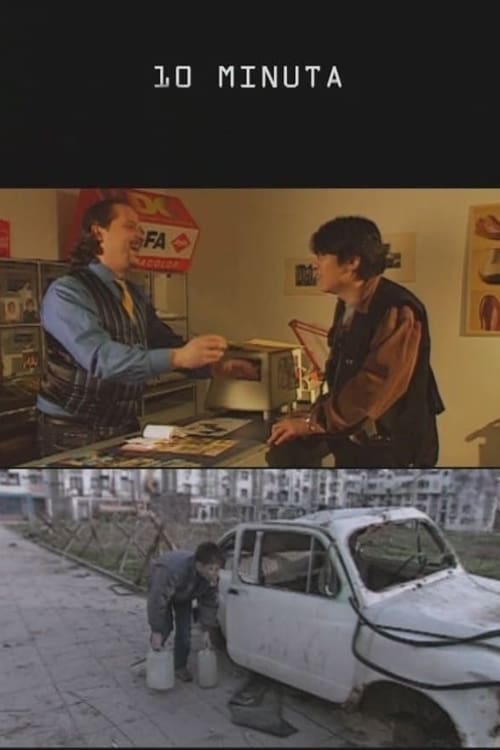
10 Minutes
2002
No user ratings available yet
Representation score: 4.2 out of 10

Representation Score
Fair
1993
Director
Jean-Luc Godard
Runtime
2 minutes
Average Rating
No ratings yetNew Showbiz Analysis
Hail, Sarajevo is a brief, avant-garde photo-montage that eschews traditional storytelling for a systemic critique of the Bosnian War. It succeeds in deconstructing the spectacle of conflict, moving away from nationalist clichés to focus on the complexities of a non-Western struggle. However, the film's formalist structure limits its ability to present specific, character-driven representation. Because it lacks dialogue and individual arcs, it cannot address identity-specific narratives such as LGBTQ+ or disability representation. Ultimately, the work functions as a political and semiotic tool. It challenges institutional authority and Western hegemony rather than providing a diverse cast of individual characters.
Category Breakdown
The film does not develop specific LGBTQ+ characters or include narrative arcs that center queer experiences. Its focus on geopolitical realities through a photo-montage format does not address these identities.
By using a montage format, Godard avoids traditional masculine war hero clichés. This approach bypasses the glorification of individualistic ability to act and masculine combat roles.
The work centers the Bosnian experience, shifting the focus away from Western-centric perspectives. It prioritizes the ability to act of a non-Western population caught in systemic strife.
The film critiques traditional historical narratives through a fragmented, subjective lens. It highlights the failures of international and political structures during a period of systemic collapse.
There are no depictions of physical or neurodivergent identities within this work.
Present on Screen
Limited or Absent
Official Synopsis
A short two-minute rumination on the once volatile situation during the period of the Bosnian War presented in the form of a photo-montage with accompanying text.
2002
1997

1967
1996

2000
1994
1994
2011
No reviews yet. Be the first to share your thoughts on this movie!
Use the rating form above to leave a star rating and optional review.