
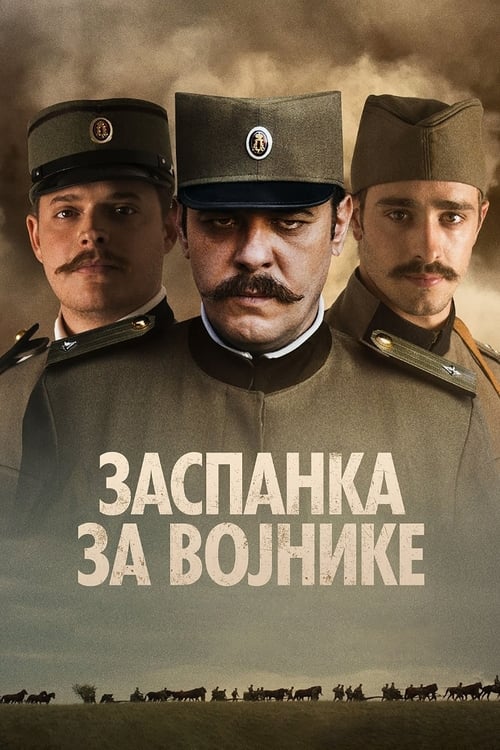
King Petar the First
2018
No user ratings available yet
Representation score: 1.8 out of 10
Representation Score
Fair
2018
Director
Predrag Antonijević
Runtime
120 minutes
Average Rating
No ratings yetNew Showbiz Analysis
Soldier's Lullaby succeeds in deconstructing the traditional heroic war archetype. By focusing on a soldier's internal moral struggle and the complexities of ethnic identity, the film moves beyond simple martial dominance to explore individual ability to act amidst systemic chaos. However, the film remains limited by its adherence to traditional gender dynamics and a lack of LGBTQ+ representation. The portrayal of trauma leans toward using it as a backdrop for conflict rather than a nuanced exploration of disability. Ultimately, the film is a nuanced study of ethics and identity, finding its strength in moral ambiguity rather than diverse social representation.
Category Breakdown
The film follows a conventional social structure that assumes everyone is straight or cisgender. There are no visible LGBTQ+ identities or queer narratives within the wartime setting.
Gender roles follow classical archetypes of the masculine combatant and the vulnerable female. While the film avoids glorifying aggressive masculinity, it does not challenge traditional gender hierarchies.
The narrative highlights the ethnic complexities of the Yugoslav Wars by showing interactions between Serbian and Bosniak identities. Characters are portrayed with individual depth rather than as ethnic caricatures.
The story criticizes institutional authority by prioritizing personal morality over nationalist mandates. It explores how war acts as a dehumanizing force that breaks down societal norms.
Physical and psychological trauma serve primarily as markers of wartime brutality. These elements function as narrative devices to heighten conflict stakes rather than exploring specific disabilities with character's ability to drive the story.
Present on Screen
Limited or Absent
Official Synopsis
Stevan Jakovljević, a biology teacher and World War I veteran who fought for the Serbian army, arrives to the celebration of the twentieth anniversary of the end of the war and the opening of an ossuary in the village where he used to be stationed with his first company, the Fifth Artillery Battery. There he encounters only the aged Commander, and through their flashbacks we see the fate of the Fifth Battery which was disbanded in that very village.
2018
1998
2014
1996

1977
2019

2018
2017
No reviews yet. Be the first to share your thoughts on this movie!
Use the rating form above to leave a star rating and optional review.