
Every Time We Say Goodbye
1986
No user ratings available yet
Diversity score: 5.4 out of 10
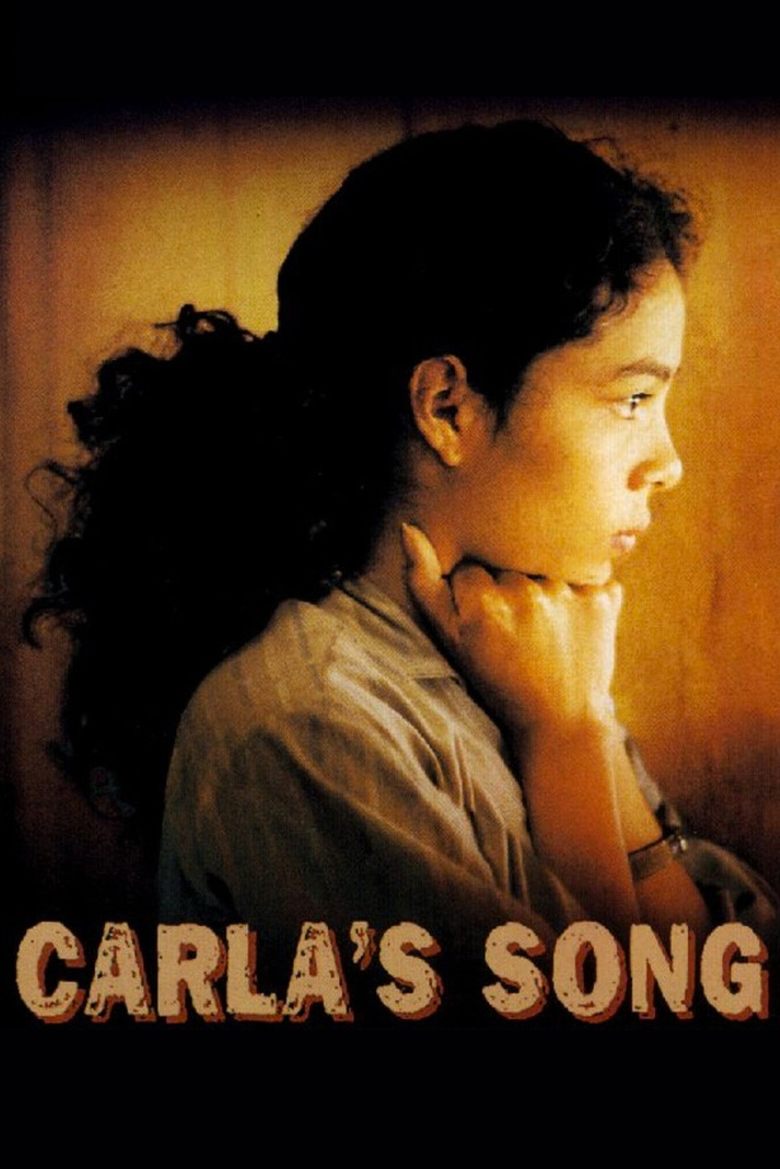
1996
Director
Ken Loach
Runtime
125 minutes
Average Rating
No ratings yetSynopsis
A Glasgow man visits war-torn Nicaragua with a refugee tormented by her memories.
Overall Score
Good
Category Breakdown
LGBTQ+ Representation
The film lacks LGBTQ+ characters or explorations of non-heteronormative identities. The central romance focuses on a heterosexual partnership between Carla and José.
Gender Representation
Carla serves as a resilient protagonist who navigates political displacement with agency. The relationship between the leads emphasizes mutualism and shared vulnerability over traditional patriarchal tropes.
Racial & Ethnic Diversity
The narrative centers South American protagonists within a Western urban setting, avoiding the pitfall of 'othering.' It highlights the systemic invisibility faced by undocumented people of color.
Religious & Cultural Diversity
The film offers a sharp anti-capitalist critique, framing immigration bureaucracy as a tool of systemic oppression. It avoids Western moralizing in favor of situational ethics born of necessity.
Disability Representation
There are no significant depictions of visible or invisible disabilities within the primary narrative arc.
Strengths
Areas for Improvement
AI Analysis
Ken Loach’s film is a powerful study of displacement and the friction between the Global South and the Global North. It succeeds by centering the agency of marginalized characters, particularly through its nuanced portrayal of South American immigrants navigating Western bureaucracy. The film's strength lies in its refusal to rely on traditional tropes. It replaces masculine dominance with mutual vulnerability and avoids the 'othering' of its protagonists, instead using their undocumented status to critique institutional hostility. However, the film lacks representation for LGBTQ+ identities and does not address disability. While it excels in socio-political critique, these specific demographic perspectives are absent from the narrative.
1986

2010

1938

2006

2002
No reviews yet. Be the first to share your thoughts on this movie!
Use the rating form above to leave a star rating and optional review.