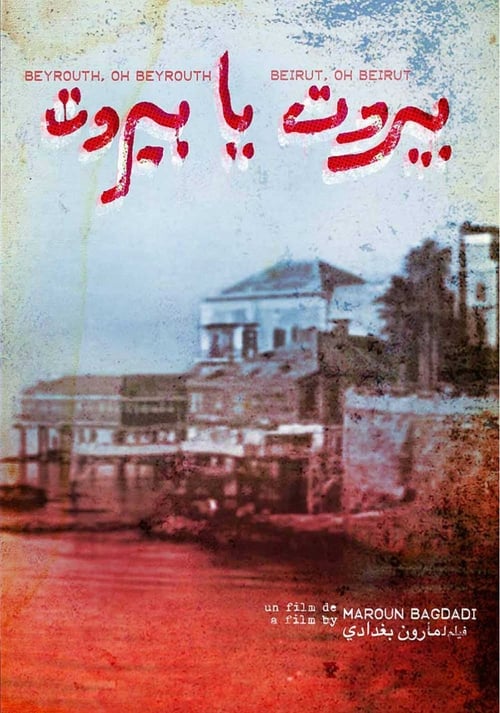
Beirut, Oh Beirut
1975
No user ratings available yet
Representation score: 7.3 out of 10
Representation Score
Fair
1991
Director
Maroun Bagdadi
Runtime
97 minutes
Average Rating
No ratings yetNew Showbiz Analysis
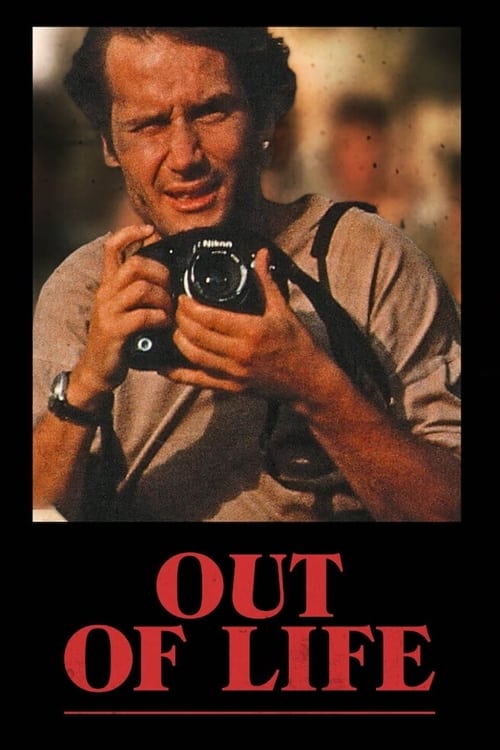
Out of Life stands out by shifting the cinematic focus away from Western perspectives to the local actors of the Lebanese Civil War. By centering Middle Eastern identities and the Palestinian struggle, the film avoids common geopolitical clichés and offers a nuanced post-colonial perspective. The film’s strength lies in its refusal to adhere to a single, Western-centric moral framework. It embraces the chaos of the era, presenting a multifaceted view of revolutionary movements and the breakdown of traditional social structures. However, the film lacks representation of LGBTQ+ identities and does not feature characters with disabilities. While it excels in ethnic and gendered ability to act, these specific demographic gaps limit its overall diversity profile.
Category Breakdown
The film adheres to the social norms of its wartime setting and does not include any non-traditional gender or sexual identities.
Nadine Labaki’s character actively navigates a male-dominated revolutionary environment, showing her ability to drive the story rather than being a passive figure.
The film focuses on Lebanese and Palestinian identities to ensure ethnic authenticity. It avoids the 'white savior' cliché by emphasizing local perspectives.
The story avoids Western-centric morality and instead presents the complexities of non-state actors. It uses the Palestinian struggle to critique regional power dynamics and post-colonial identity.
There is no significant evidence of physical or neurodivergent disabilities depicted in the film.
Present on Screen
Limited or Absent
Official Synopsis
Patrick Perrault, a photo-journalist covering the war in Beirut in the late 1980s, is himself caught up in the hostilities when one day he is picked up and bundled into a car at gun-point. Blind-folded, he is taken to an unknown location where he discovers that he is being taken hostage by Lebanese guerrillas.
1975

2009

1986

2004
1981
1983

2004
1982
No reviews yet. Be the first to share your thoughts on this movie!
Use the rating form above to leave a star rating and optional review.