
Hail, Sarajevo
1993
No user ratings available yet
Diversity score: 4.2 out of 10
2002
Director
Ahmed Imamović
Runtime
10 minutes
Average Rating
No ratings yetSynopsis
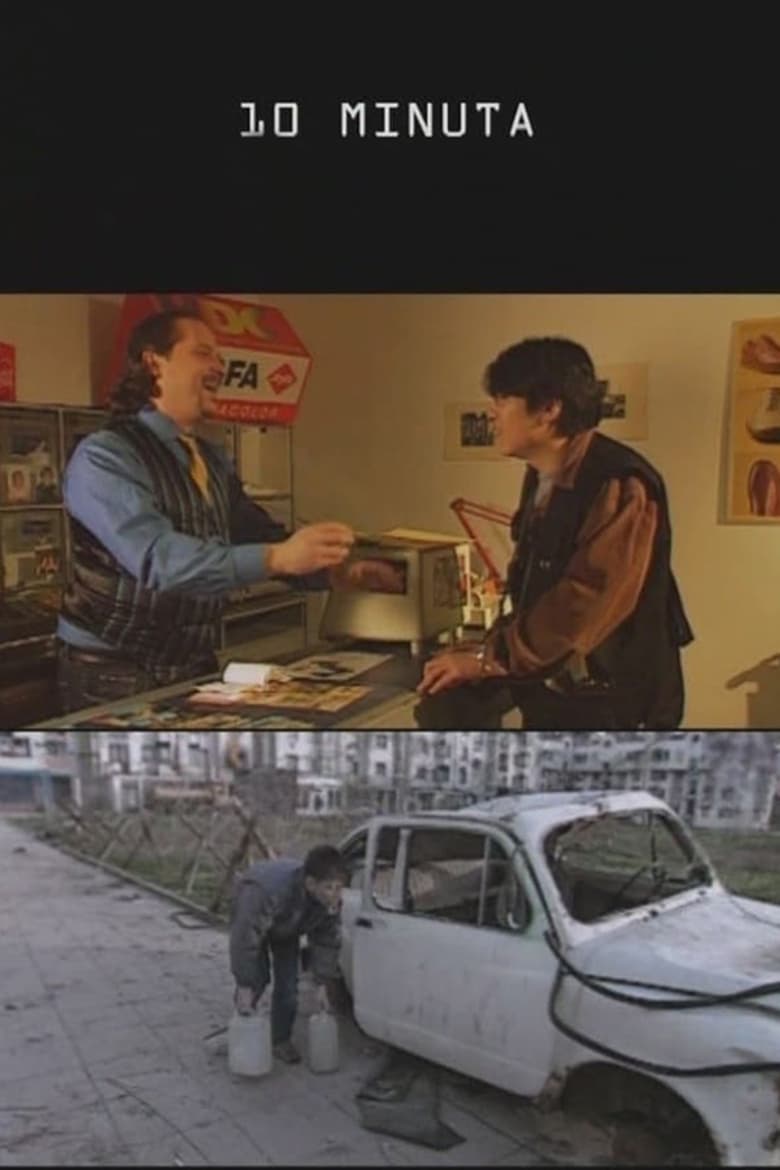
10 minutes doesn't seem long to a Japanese tourist waiting for some photos in Rome, but a lot can happen in the same 10 minutes for a family in Sarajevo during the Bosnian War.
Overall Score
Fair
Category Breakdown
LGBTQ+ Representation
The film provides no evidence of LGBTQ+ characters or narratives. Non-heteronormative identities are not addressed in the available material.
Gender Representation
The narrative likely centers on the domestic sphere through a Sarajevo family. This approach often highlights female resilience when traditional male-led protective structures fail during wartime.
Racial & Ethnic Diversity
The film disrupts Eurocentric war drama tropes by centering a Japanese tourist alongside a Bosnian family. This provides a globalized lens on human suffering.
Religious & Cultural Diversity
By focusing on civilian victims rather than military heroism, the film critiques the failure of international institutions. The juxtaposition of Rome and Sarajevo highlights Western indifference.
Disability Representation
There is no documented evidence regarding the portrayal of physical or neurodivergent disabilities in this work.
Strengths
Areas for Improvement
AI Analysis
Ahmed Imamović’s film uses a dual-perspective structure to contrast the mundane life of a Japanese tourist in Rome with the trauma of a family in Sarajevo. This temporal microcosm effectively highlights the disparity between global stability and localized systemic violence. The film succeeds in disrupting conventional wartime tropes by prioritizing the civilian experience over patriotic or militaristic heroism. By framing the Bosnian War as a critique of political and institutional failure, it moves beyond simple nationalistic myths. While the film offers a multi-cultural perspective, it lacks verifiable representation for LGBTQ+ identities or disability. The overall impact relies heavily on its structural critique of global indifference to regional instability.
1993

2018

1969

1994

1998

2005

1960
1982

1998

2020
2011

2011
No reviews yet. Be the first to share your thoughts on this movie!
Use the rating form above to leave a star rating and optional review.