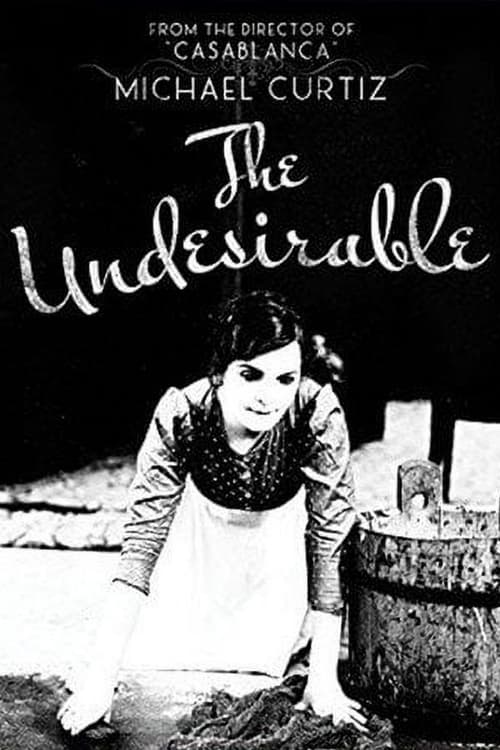
The Undesirable
1915
No user ratings available yet
Representation score: 1.3 out of 10
Representation Score
Minimal
1926
PassedDirector
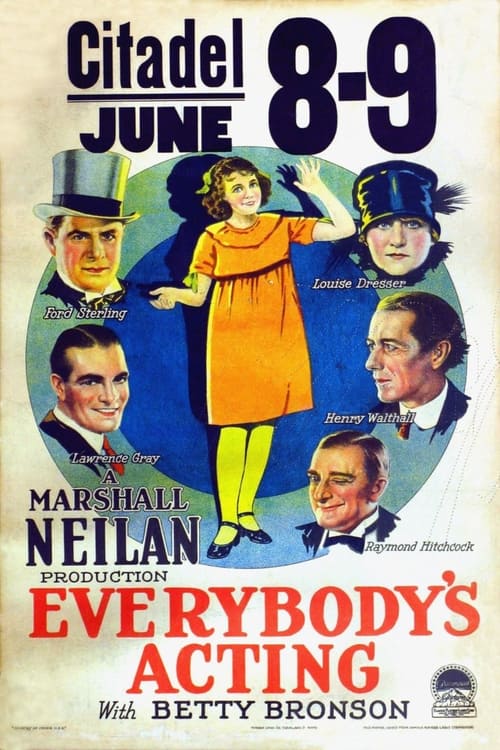
Marshall Neilan
Runtime
70 minutes
Average Rating
No ratings yetNew Showbiz Analysis
Marshall Neilan’s drama is a product of its time, functioning primarily as a traditional melodrama. While it highlights the professional independence of a woman in the theater, the narrative structure is deeply embedded in the social hierarchies of the 1920s. The film emphasizes class distinctions and conventional family structures over exploring diverse identities. The central conflict revolves around maintaining class purity and the impact of a troubled family history. Ultimately, the work does not challenge established social norms, focusing instead on romantic clichés and the tension between wealth and the working class.
Category Breakdown
The film focuses on a traditional heterosexual relationship and does not include any characters with non-binary gender identities or critiques of the assumption that everyone is straight or cisgender.
Doris Poole is shown as a professional woman with economic independence. However, the plot is heavily influenced by maternal figures and domestic drama.
The story centers around Western social hierarchies and Anglo-centric class dynamics. A journey to Asia serves as a plot device without delving into cultural nuances.
The film examines class mobility and the tension between wealth and the theatrical working class. It upholds traditional social structures and early 20th-century moral values.
The film does not feature any characters with physical disabilities, neurodivergent conditions, or mental health issues.
Present on Screen
Limited or Absent
Official Synopsis
Doris Poole, whose parents were theatrical people, was orphaned as a child, and four members of the troupe adopted and raised her. When grown, she has become the leading lady in a San Francisco stock-company. She meets and falls in love with Ted, the millionaire son of a rich widow, but she thinks he is only a tax-cab driver. His mother objects to the romance and looks into Doris' past. She learns that her father had murdered, in a fit of jealousy, her mother, and tells Doris what she has found out. The four actors who had raised her had never told her how she happened to become an orphan. They persuade Ted's mother to send him on a voyage to the Orient in order to get him away from Doris. But they neglected to tell the mother they had also booked passage for Doris on the same ship.
1915

1939
1925

1920

1927

1926
1913

1922
No reviews yet. Be the first to share your thoughts on this movie!
Use the rating form above to leave a star rating and optional review.