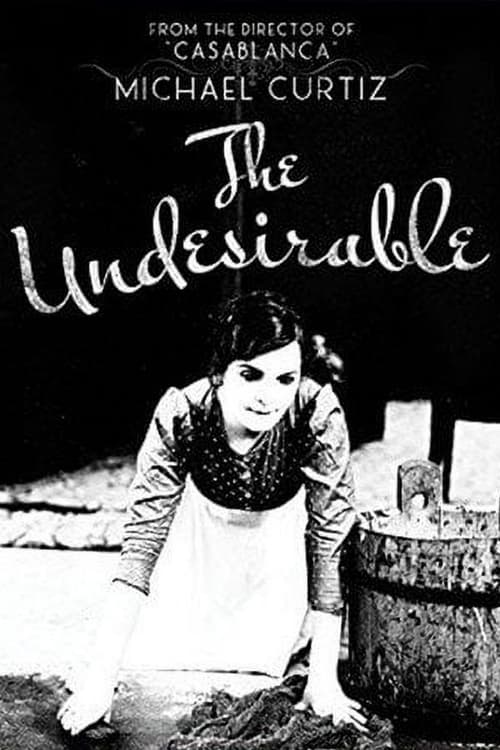
The Undesirable
1915
No user ratings available yet
Representation score: 1.3 out of 10
Representation Score
Minimal
1922
NRDirector
John S. Robertson
Runtime
118 minutes
Average Rating
No ratings yetNew Showbiz Analysis
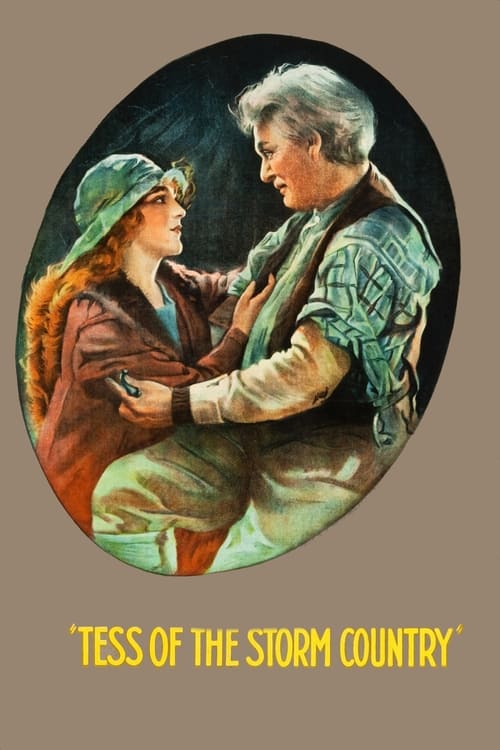
Tess of the Storm Country is a period drama that focuses on the tension between personal freedom and rigid social hierarchies. The film's main strength is its critique of class-based hypocrisy and the pressures faced by its female lead. However, the film reflects its time and lacks modern diverse representation. It does not include any LGBTQ+ identities or racial diversity, focusing instead on the narrow social world of a rural, early 20th-century setting. Ultimately, while the film provides a nuanced view of class conflict and gendered moral standards, it adheres to the traditional cinematic structures of the 1920s.
Category Breakdown
The film does not depict any non-straight relationships or identities. Romantic storylines are limited to traditional heterosexual relationships.
Tess is a central character who faces pressures from a patriarchal society and male-dominated conflicts. However, the story relies on the 'fallen woman' stereotype common during that time.
The cast is mostly made up of actors from similar backgrounds, reflecting the 1922 production context. The story focuses on class differences rather than racial or ethnic diversity.
The film highlights the gap between the wealthy landowners and the working class by criticizing social institutions. It looks at the hypocrisy of strict community moral rules.
There are no main characters with visible or hidden disabilities in the story.
Present on Screen
Limited or Absent
Official Synopsis
Wealthy Elias Graves builds his home on the top of a hill, where a group of squatters have taken up residence at the bottom. Many of the men in the squatters' village have their eyes on young Tess, and one of them, Ben Letts, frames Tess's father for murder. While maintaining her father's innocence, Tess must keep her love for Graves' son a secret, while caring for Elias' daughter's illegitamate child.
1915
1920

1939

1951

1941

1956
1917
1928
No reviews yet. Be the first to share your thoughts on this movie!
Use the rating form above to leave a star rating and optional review.