Aloha
1931
No user ratings available yet
Representation score: 2.5 out of 10
Representation Score
Minimal
1926
PassedDirector
William K. Howard
Runtime
60 minutes
Average Rating
No ratings yetNew Showbiz Analysis
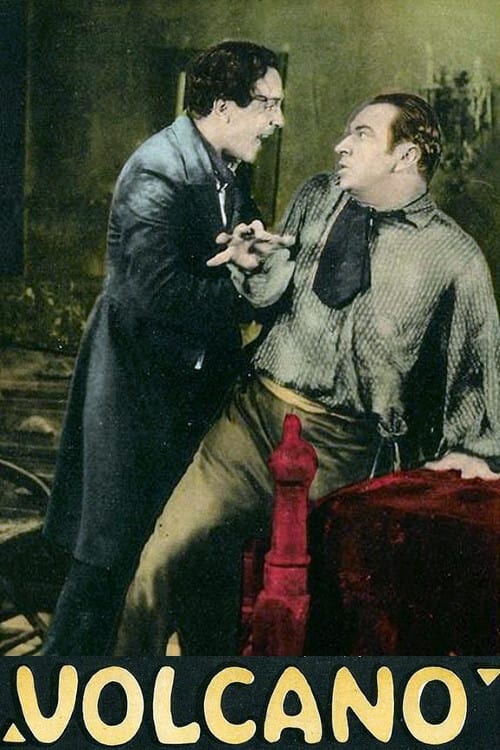
Volcano is a period-specific melodrama that engages with the racial stratification of 1920s Martinique. It explores the tensions of mixed-race identity and the social consequences of interracial unions within a colonial framework. However, the film remains tied to the era's social norms. Instead of challenging colonial or patriarchal institutions, the narrative reinforces them by focusing on the potential ruin of social standing through mixed marriages. Ultimately, the film operates as a conventional romantic drama. While it features a non-Anglo-Saxon centric cast, it lacks the intentionality to challenge the systemic hierarchies it depicts.
Category Breakdown
The film focuses on heterosexual relationships and traditional courtship. There are no characters with non-binary gender identities or same-sex relationships.
Zabette navigates patriarchal structures after her father's death. She plays a significant role in her romantic choices, but the story relies on the 'damsel in distress' archetype.
The plot explores racial hierarchies in colonial Martinique and the complexities of mixed-race identity. It depicts social tension between French society and the mulatto quarter.
The story adheres to Western dramatic clichés and colonial social structures. It emphasizes social reputation and class distinctions rather than offering an anti-colonial critique.
There are no visible or invisible disabilities portrayed with real power or as central plot elements in this film.
Present on Screen
Limited or Absent
Official Synopsis
Zabette de Chauvalons leaves a convent in Brussels to join her father on the island of Martinique, escorted by Père Bénédict. In St. Pierre she finds that her father has died; his widow, who rules the island's French society, believes Zabette to be the child of a beautiful quadroon with whom Zabette's father left for France; when Zabette is sent to the mulatto quarter, Stéphane Séquineau is present and takes an interest in her. Destitute, Zabette is forced to auction off her Paris fashions, and though Quembo, a cunning quadroon, is the highest bidder, Stéphane outbids him at the last minute and professes his love, which she accepts, believing herself to be une fille de couleur; however, his older brother, Maurice, insinuating that a mixed marriage would ruin him, persuades her to desist.
1931
1938

1939

1939
1927
1931
1932
1920
No reviews yet. Be the first to share your thoughts on this movie!
Use the rating form above to leave a star rating and optional review.