Easy Virtue
1928
No user ratings available yet
Representation score: 2.8 out of 10
Representation Score
Limited
1927
PassedDirector
Frank Lloyd
Runtime
70 minutes
Average Rating
No ratings yetNew Showbiz Analysis
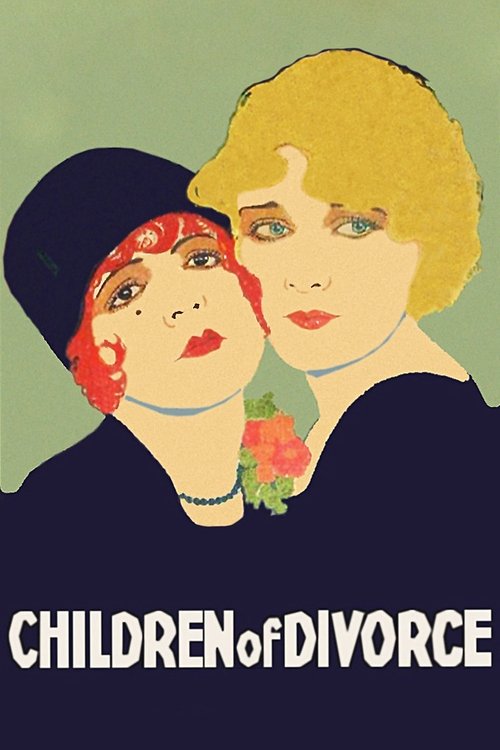
Children of Divorce is a conventional silent-era romantic drama centered on domestic anxieties. While it offers a slight subversion of gender roles through its proactive female lead, the narrative remains firmly rooted in traditional social structures. The film's primary conflict involves the fear of divorce and the complexities of marriage. It does not appear to intentionally disrupt systemic power dynamics or prioritize multi-layered representation, adhering instead to the era's standard narrative frameworks.
Category Breakdown
The film does not include any LGBTQ+ narratives or non-straight identities. The story revolves around a traditional romance and marriage.
The female protagonist plays a significant role in driving the story by securing her marriage, defying passive stereotypes. However, the male lead is defined by traditional concerns about domestic stability.
The production likely reflects the homogeneous casting standards of 1927. There is no evidence of diverse casting beyond the standard Anglo-Saxon focus of early Hollywood.
The story critiques the stability of the nuclear family through the lens of divorce. It explores social mores rather than offering a systemic critique of Western institutions.
There is no information regarding the inclusion of characters with visible or invisible disabilities in this production.
Present on Screen
Limited or Absent
Official Synopsis
A young flapper tricks her childhood sweetheart into marrying her. He really loves another woman, but didn't marry her for fear the marriage would end in divorce, like his parents'. Complications ensue.
1928
1933

1937
1934

1934
1931
1931
1935
No reviews yet. Be the first to share your thoughts on this movie!
Use the rating form above to leave a star rating and optional review.