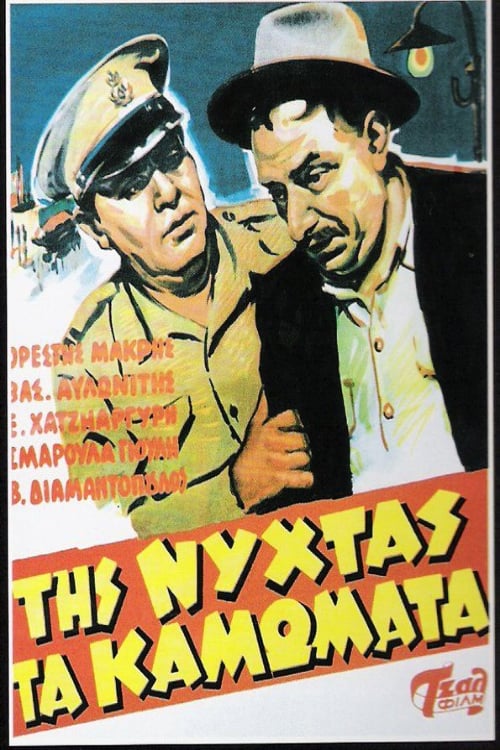
At Night the Entanglements
1957
No user ratings available yet
Representation score: 1.4 out of 10
Representation Score
Fair
1971
Director
Ephraim Kishon
Runtime
87 minutes
Average Rating
No ratings yetNew Showbiz Analysis
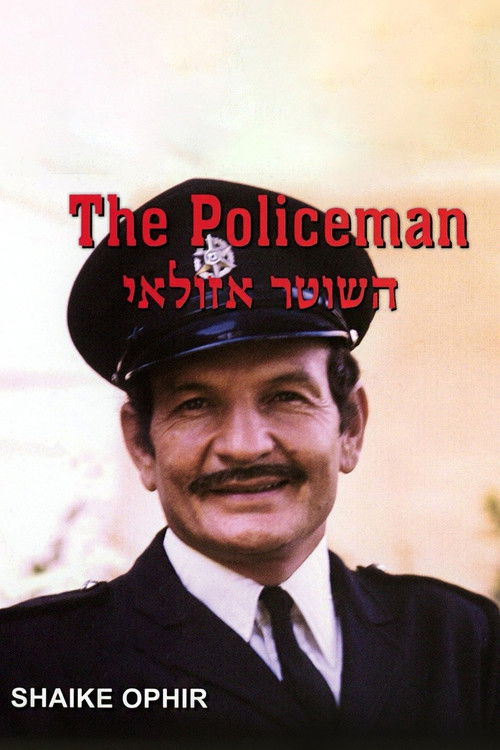
The film functions as a satirical character study that prioritizes humanistic empathy over bureaucratic efficiency. By centering on a protagonist whose perceived incompetence challenges institutional meritocracy, the work deconstructs traditional hierarchies of power. While the setting of Jaffa suggests a multicultural environment, the narrative lacks explicit focus on multiple aspects of identity. The representation of gender and LGBTQ+ themes remains minimal or undocumented, centering instead on the friction between the individual and the state. Ultimately, the film's strength lies in its social nuance and its ability to use humor to critique authority, even if it lacks specific, modern identity-based representation.
Category Breakdown
The film does not include explicit LGBTQ+ characters or narratives. It focuses on the social and professional dynamics of Jaffa without addressing non-straight relationships.
The story centers on a male protagonist within a male-dominated police hierarchy. It disrupts traditional masculine authority by portraying a leader viewed as incompetent by his superiors.
Set in the multicultural urban center of Jaffa, the film implies a pluralistic society. The interactions between police and local criminals suggest a complex, diverse social ecosystem.
The narrative critiques rigid state institutions and legalistic morality. It finds social cohesion through shared humanity and moral relativism rather than strict adherence to institutional dogma.
There is no documented evidence regarding the portrayal of physical or neurodivergent disabilities in this work.
Present on Screen
Limited or Absent
Official Synopsis
Azulai is a policeman in Jaffa, whose incompetence is only matched by his soft-heartedness. His superiors want to send him to early retirement, but he would like to stay on the force, and the criminals of Jaffa don't want to see him leave either...
1957

1977
1964
1981
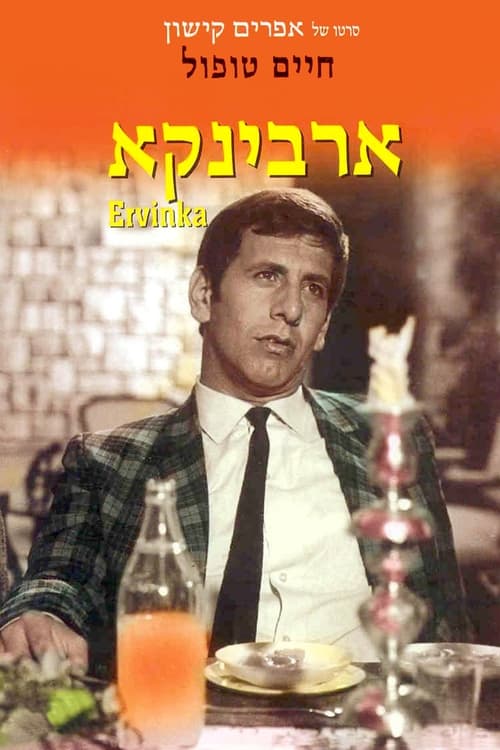
1967
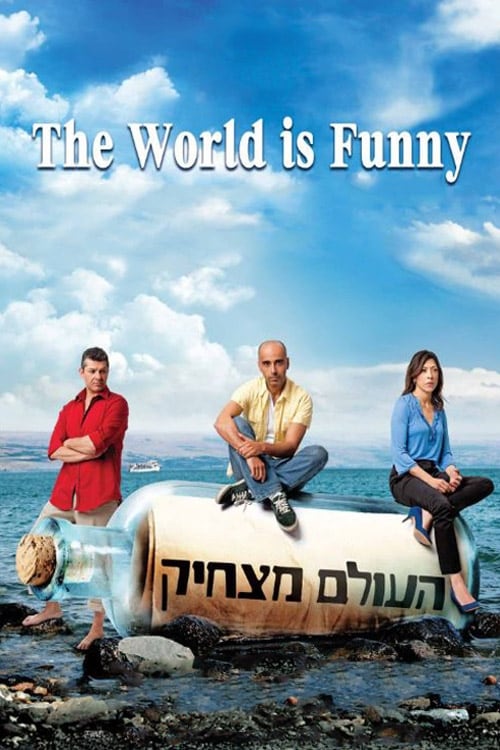
2012
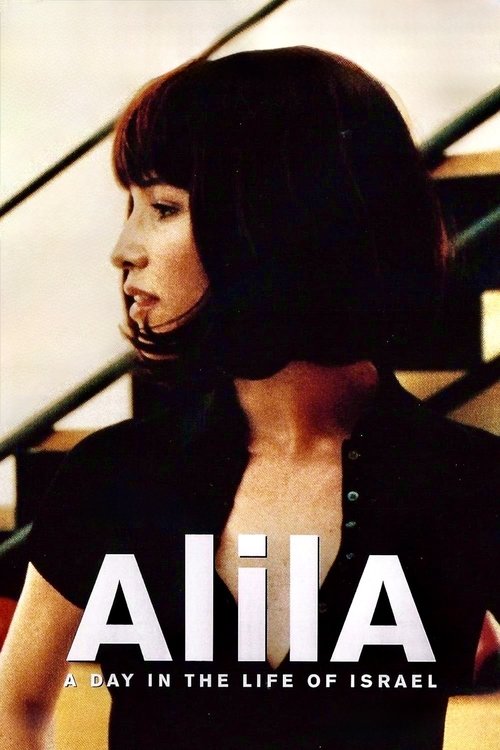
2003
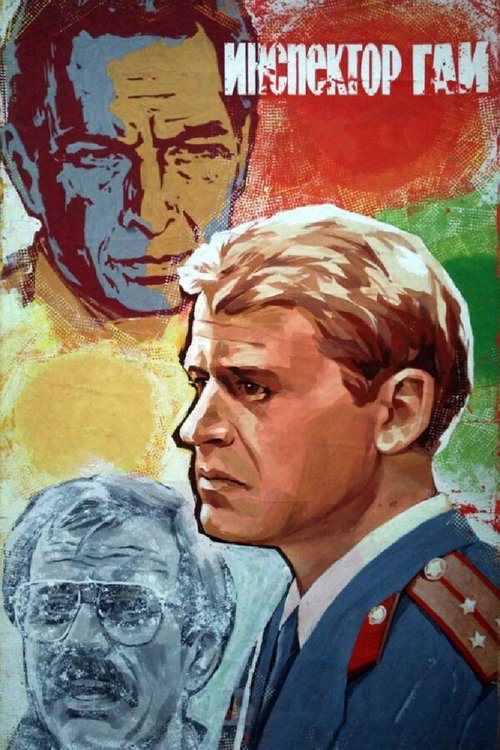
1982
No reviews yet. Be the first to share your thoughts on this movie!
Use the rating form above to leave a star rating and optional review.