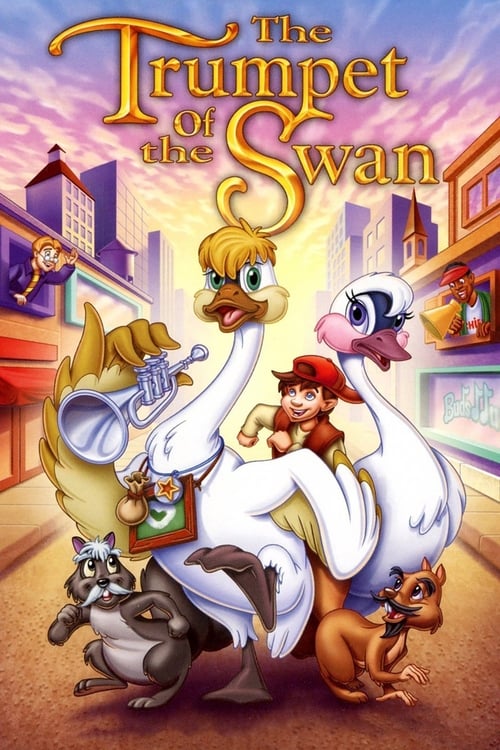
The Trumpet of the Swan
2001
No user ratings available yet
Diversity score: 3.9 out of 10
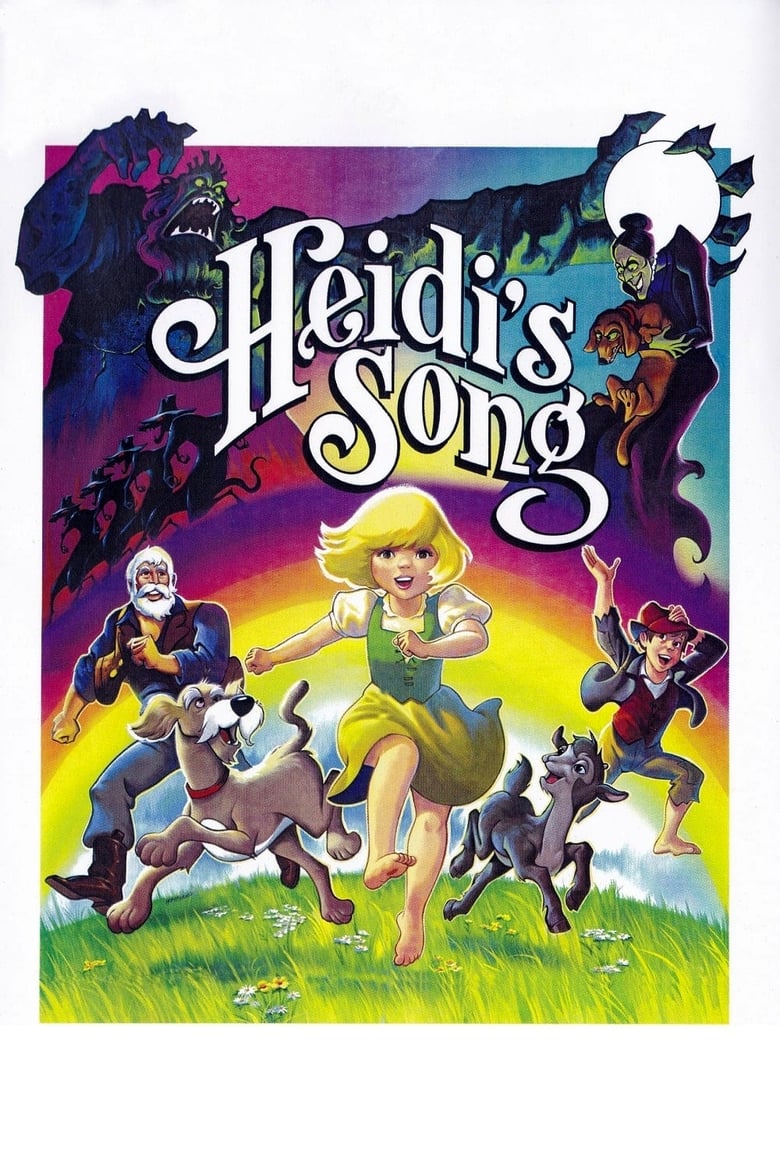
1982
Director
Robert Taylor
Runtime
94 minutes
Average Rating
No ratings yetSynopsis
Orphan Heidi lives with her grandpa in Swiss Alps. She brings joy to all there. However, her aunt takes her to the city to live as a servant girl to a cold rich strict family and their nice but sad handicapped daughter.
Overall Score
Limited
Category Breakdown
LGBTQ+ Representation
The film lacks any evidence of non-heteronormative identities. The narrative focus remains strictly on familial and class-based dynamics.
Gender Representation
Heidi serves as a central female protagonist who brings joy to others. However, her role as a servant girl reinforces traditional depictions of female domesticity.
Racial & Ethnic Diversity
Set in the Swiss Alps, the cast appears to be a homogeneous European group. There is no indication of diverse ethnic integration.
Religious & Cultural Diversity
The story explores the tension between rural simplicity and urban rigidity. It follows a traditional moral structure rather than offering a systemic critique.
Disability Representation
A handicapped daughter is included in the story. It remains unclear if she possesses independent agency or serves as a catalyst for Heidi's arc.
Strengths
Areas for Improvement
AI Analysis
Heidi's Song follows a classic fish-out-of-water structure, moving from the pastoral Swiss Alps to a rigid urban environment. While the film centers on a female protagonist, the narrative leans heavily into traditional tropes of domestic servitude and class hierarchy. The inclusion of a character with a disability provides some representation, though the story's focus on moral fables suggests a conventional approach. The film lacks intersectional complexity or a disruption of established social norms. Ultimately, the production adheres to the demographic and narrative standards typical of 1980s family animation, prioritizing character temperament over social reform.
2001

1983
2002
2006
1968
1999
1980
1948
1997
1986
1952
2007
No reviews yet. Be the first to share your thoughts on this movie!
Use the rating form above to leave a star rating and optional review.