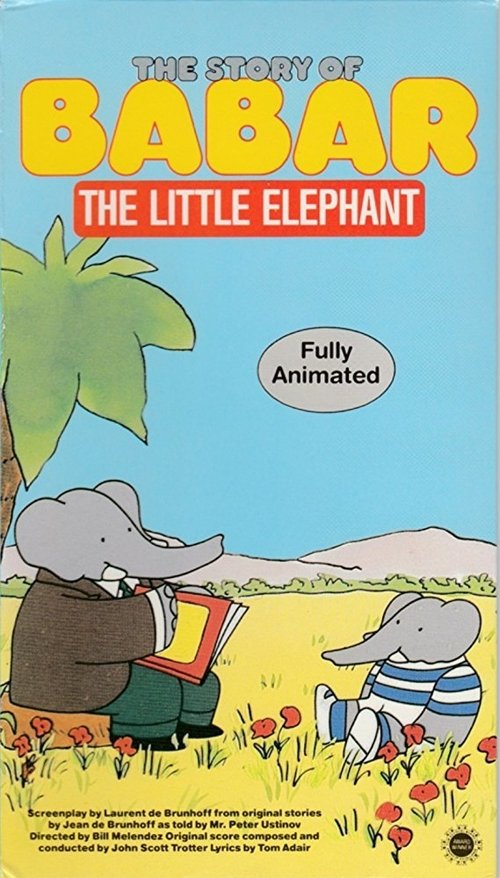
The Story of Babar, the Little Elephant
1968
No user ratings available yet
Representation score: 1.9 out of 10
Representation Score
Minimal
1999
GDirector
Raymond Jafelice
Runtime
80 minutes
Average Rating
No ratings yetNew Showbiz Analysis
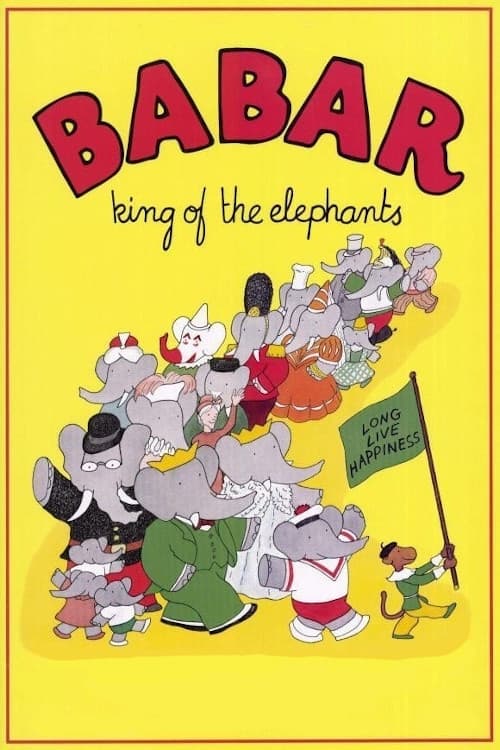
Babar: King of the Elephants is a classic tale that upholds traditional social structures. The narrative centers on a hero's journey emphasizing assimilation into a structured, Western-oriented civilization. While the film excels as a traditional family animation, it lacks complexity in reflecting multiple aspects of identity. The story relies on established hierarchies and conventional milestones rather than challenging social norms. The themes of 'civilizing' the outsider through dress and etiquette reflect traditional views of cultural development and social order.
Category Breakdown
The film adheres to a traditional structure that assumes everyone is straight or cisgender. There is no indication of LGBTQ themes or characters.
The film portrays traditional gender roles where men hold authority and women serve in supportive roles. Celeste, for example, functions mainly as a consort within the established social hierarchy.
The story uses a 'civilization versus nature' cliché that reflects colonialist perspectives. Babar's transition to the city involves adopting Western customs and social norms.
The narrative emphasizes the adoption of formal institutions such as monarchy and literacy as signs of social progress. It celebrates integration into a structured, Western-centric model of advancement.
There are no prominent depictions of physical or neurodivergent disabilities that significantly impact the story or provide character's ability to drive the story.
Present on Screen
Limited or Absent
Official Synopsis
Babar is a young elephant in the great forest. Whilst out with his mother a hunter kills his mother and he flees to escape the same fate. He eventually finds himself in a human city and experiences the many differences between city and forest life. Treated as an outsider he is taken in by an elderly woman, dressed in fancy suits, taught to write and count and is brought up in human culture.
1968
1942
1992

2005
2001
1988
2012

2018
No reviews yet. Be the first to share your thoughts on this movie!
Use the rating form above to leave a star rating and optional review.