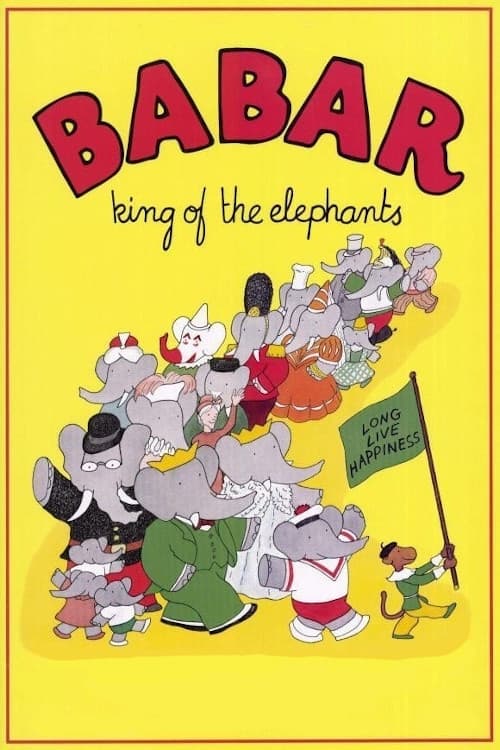
Babar: King of the Elephants
1999
No user ratings available yet
Representation score: 1.0 out of 10
Representation Score
Minimal
1968
Director
Ed Levitt, Bill Melendez
Runtime
30 minutes
Average Rating
No ratings yetNew Showbiz Analysis
The film exemplifies mid-20th-century traditional storytelling, prioritizing the establishment of order and the assimilation of the protagonist into a structured, civilized society. The narrative structure follows a restorative arc where stability is achieved through the adoption of traditional institutional roles, such as monarchy. This approach lacks the intentionality needed to disrupt or subvert conventional social hierarchies. Ultimately, the story functions as a linear coming-of-age tale that adheres to the era's standard narrative structures and social norms.
Category Breakdown
The film focuses solely on straight relationships and does not depict any non-assuming gender matches what was assigned at birth identities or same-sex intimacy.
The story centers around the male protagonist, Babar, emphasizing his active role while the Old Lady embodies traditional maternal care, reinforcing conventional gender roles.
As anthropomorphic elephants, traditional racial categories are hard to apply. However, the narrative's progression from 'wild' to 'civilized' mirrors colonialist clichés of advancement.
The story highlights the adoption of Western-style societal norms, reinforcing established social orders and institutional hierarchies without challenging them.
There are no prominent depictions of physical or neurodivergent disabilities. The focus remains on biological survival and social integration.
Present on Screen
Limited or Absent
Official Synopsis
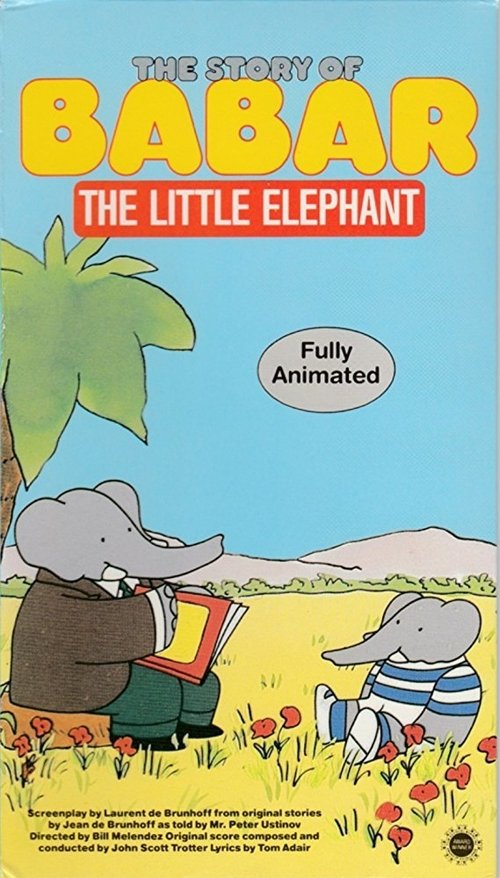
After his mother is killed by a hunter, Babar avoids capture by escaping to the city, where he is befriended by the kindly Old Lady. Later, with cousins Celeste and Arthur, he returns to the great forest to be crowned King of the Elephants.
1999

1942
1966

1957

1983
1942
1992
1967
No reviews yet. Be the first to share your thoughts on this movie!
Use the rating form above to leave a star rating and optional review.