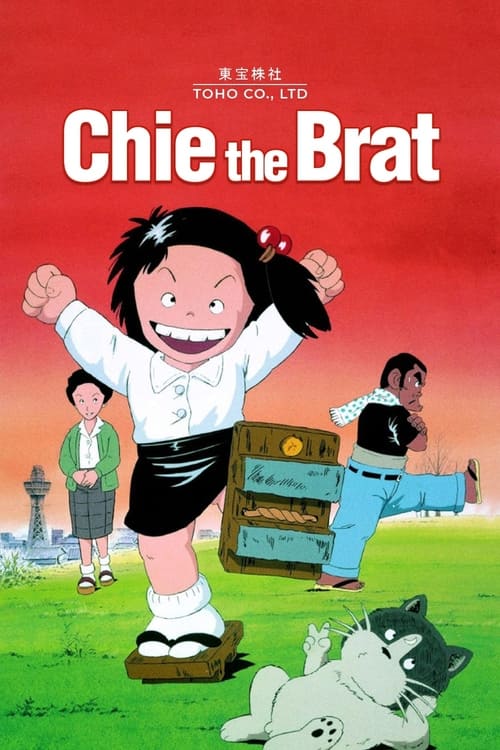
Chie the Brat
1981
No user ratings available yet
Representation score: 5.7 out of 10
Representation Score
Limited
1980
Director
Osamu Dezaki
Runtime
96 minutes
Average Rating
No ratings yetNew Showbiz Analysis
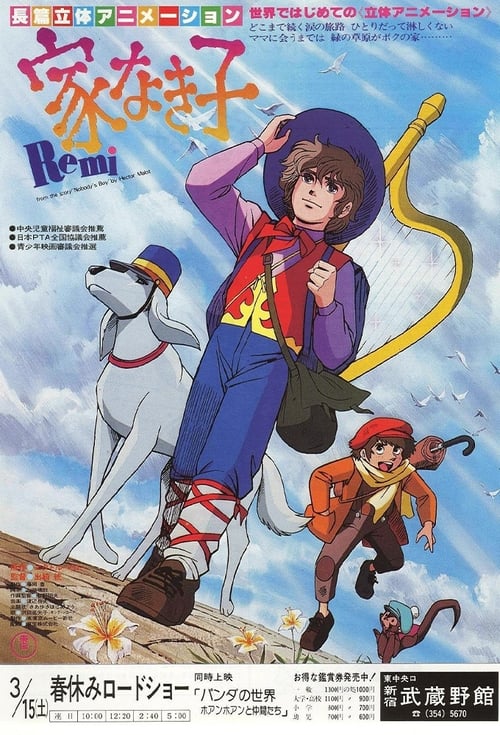
Nobody's Boy: Remi is a period drama that prioritizes a critique of class stratification over modern identity politics. The narrative succeeds in challenging social hierarchies by centering on the survival of the underclass and the failures of Western institutions. However, the film remains traditional in its composition, lacking representation of LGBTQ+ identities and racial diversity, adhering strictly to the homogeneous demographic of its historical setting. The focus is on socioeconomic status rather than multi-layered identity.
Category Breakdown
The story centers on paternal and platonic bonds between male characters. There is no representation of non-straight identities or same-sex romantic subtext.
Male characters play a central role, reflecting the social structures of the 19th century. Female characters are peripheral and do not challenge existing gender hierarchies.
The film mirrors the demographic realities of 19th-century Europe. It does not intentionally include racial diversity, focusing instead on socioeconomic distinctions within France.
The narrative provides a nuanced critique of rigid class structures and systemic inequality. It highlights the struggles of the impoverished traveling performer subculture.
The film emphasizes the physical hardships of malnutrition and extreme poverty. These difficulties serve as a proxy for the vulnerabilities faced by those who are excluded.
Present on Screen
Limited or Absent
Official Synopsis
Remi, an orphan kid gets hired out to a traveling street entertainer Vitalis when her foster parents fall on hard times.
1981

2018
1980
1992
1981

1988

1972

1997
No reviews yet. Be the first to share your thoughts on this movie!
Use the rating form above to leave a star rating and optional review.