Magical River
1946
No user ratings available yet
Diversity score: 3.9 out of 10
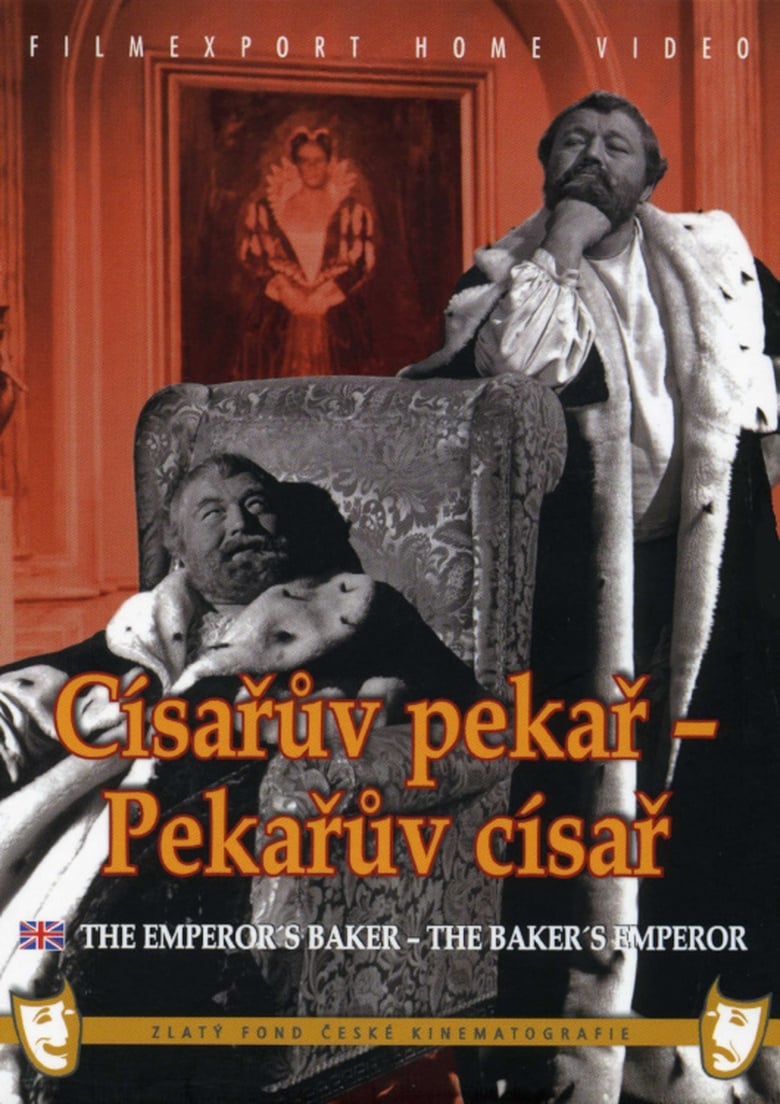
1951
Director
Martin Frič
Runtime
144 minutes
Average Rating
No ratings yetSynopsis
The Emperor's mismanagement of his country is provoking some in his court to plot to overthrow him. He feels successful, at least, when he discovers the legendary Golem, which he believes can protect him and even cure his imaginary illnesses but, when he disappears while on a bender, his kindly baker, who looks just like him, is mistaken for him, and begins to put things in order. However, the conspirators, not to be outdone, determine to bring the Golem back to life to do their bidding.
Overall Score
Fair
Category Breakdown
LGBTQ+ Representation
The film lacks any evidence of LGBTQ+ characters or narratives. It adheres to the conventional social structures of 1952, offering no subversion of heteronormative romantic norms.
Gender Representation
The story centers on male protagonists, specifically the Emperor and the Baker. While the baker's role subtly disrupts the 'strong leader' trope, women lack prominent agency or political authority.
Racial & Ethnic Diversity
The production is culturally specific to Central Europe and features a homogeneous demographic. However, the use of Jewish folklore through the Golem adds a layer of cultural complexity.
Religious & Cultural Diversity
The narrative critiques monarchical authority by portraying an ineffective Emperor. It uses the Golem and the common citizen's influence to explore themes of social restructuring and systemic power.
Disability Representation
The Emperor's 'imaginary illnesses' serve as a comedic device for eccentricity. There is no meaningful or agentic portrayal of physical or neurodivergent disability in the film.
Strengths
Areas for Improvement
AI Analysis
The film is a traditional folk-fantasy comedy that prioritizes satirical social critique over demographic intersectionality. It focuses on the disruption of established hierarchies through the lens of folklore and class dynamics. While the film lacks modern representation of gender, race, or disability, it engages with cultural complexity by incorporating Jewish mythological elements. The narrative's strength lies in its deconstruction of centralized authority and the incompetence of the ruling elite. Ultimately, the work reflects the era's homogeneous demographic presentation, functioning more as a political satire than a diverse character study.
1946
1897
1937
1947
1913
1978
1975

1965
1949
1948

2006
1994
No reviews yet. Be the first to share your thoughts on this movie!
Use the rating form above to leave a star rating and optional review.