
A Connecticut Yankee
1931
No user ratings available yet
Representation score: 1.9 out of 10
Representation Score
Minimal
1937
ApprovedDirector
Christian-Jaque
Runtime
100 minutes
Average Rating
No ratings yetNew Showbiz Analysis
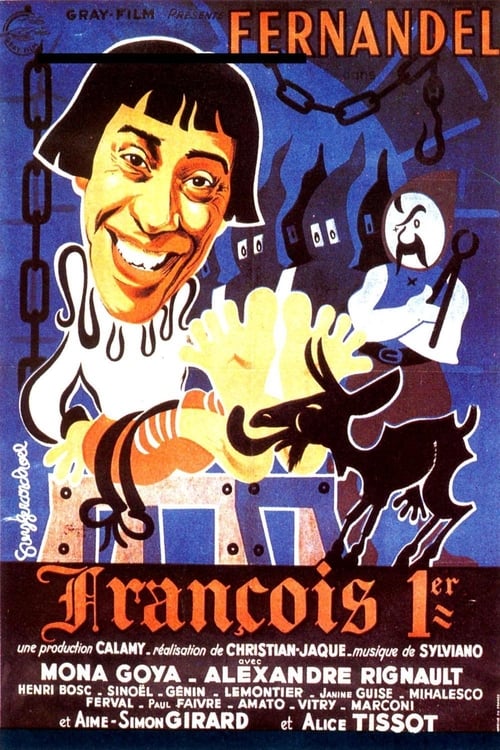
Francis the First is a product of its time, leaning heavily into classical European historical clichés and escapist fantasy. The narrative structure prioritizes a traditional male-centric journey, using the Renaissance setting as a backdrop for whimsical class mobility rather than social critique. While the film offers a charming exploration of a low-status character's dreams, it lacks any intentionality regarding diverse representation. It reinforces established historical and gender norms rather than challenging them through varied perspectives. Ultimately, the film functions as a period comedy that stays within the conventional social boundaries of both the 16th century and the 1930s.
Category Breakdown
The film follows the heterosexual norms typical of its era. There are no non-binary gender identities or same-sex relationships in the plot.
The male protagonist drives the narrative, while female characters mainly serve as romantic interests or objects of desire rather than playing key roles.
The cast and setting reflect the homogeneous European standards of 1937. The film presents a localized, Western-centric view of history without diverse ethnic inclusion.
The story uses historical romanticism to explore class mobility through a dream. It leans into the whimsical charm of European settings without critiquing Western institutions.
No characters with visible or invisible disabilities are shown taking a leading role. The focus remains on the protagonist's psychological state via hypnosis.
Present on Screen
Limited or Absent
Official Synopsis
Honorin is the simple and naive stage manager of a traveling theatre troupe, whose one ambition is to once play the role of the cavalier in the opera "Francis I, or the Loves of the Beautiful Ferroniere". A hypnotist puts him to sleep and in his dreams he is transplanted to the days of the Renaissance. There, among other items, he is made a Duke by Henri VIII, fights a duel and survives a series of medieval tortures, while also bestowing some 20th century blessings on the court of Francis I.
1931
1952

1998
1955

1947

2001
1921
1992
No reviews yet. Be the first to share your thoughts on this movie!
Use the rating form above to leave a star rating and optional review.