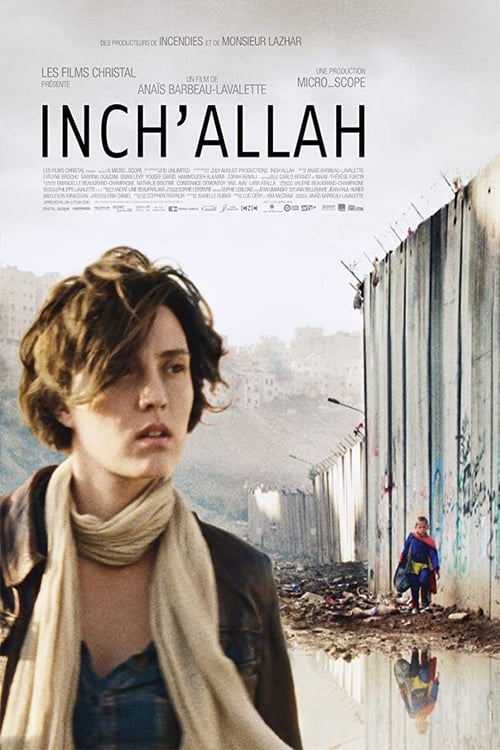
Inch'Allah
2012
No user ratings available yet
Diversity score: 6.6 out of 10
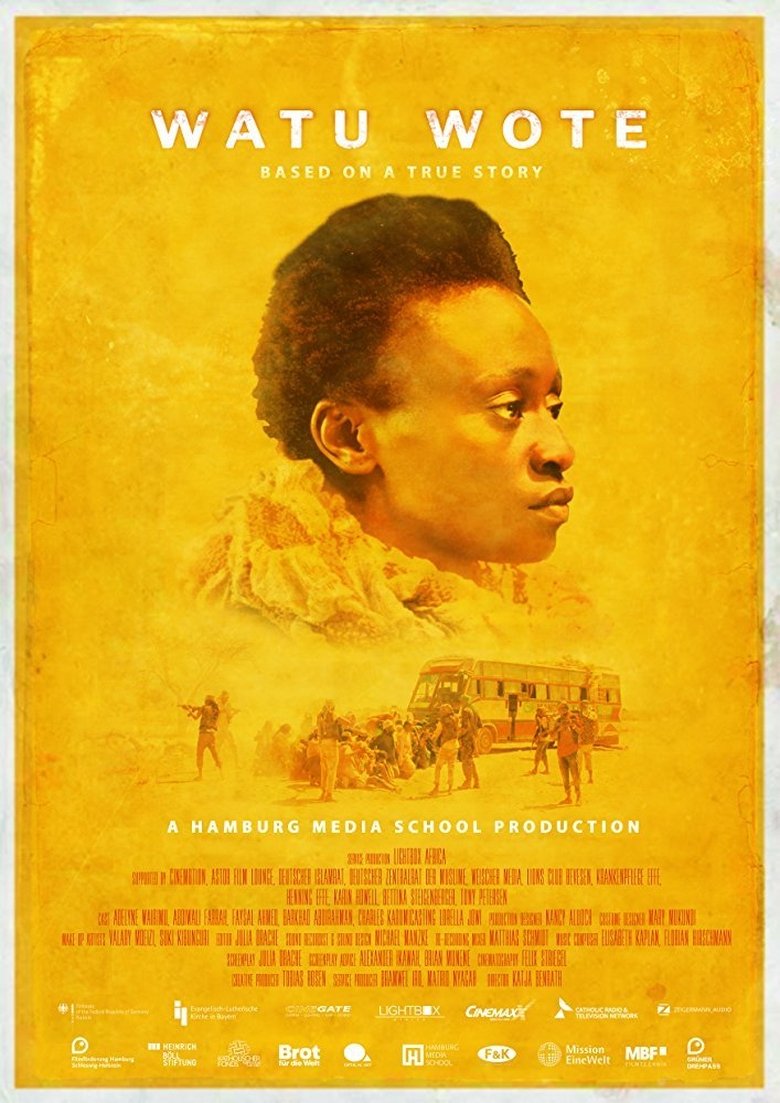
2017
Not RatedDirector
Katja Benrath
Runtime
22 minutes
Average Rating
No ratings yetSynopsis
For a decade Kenya has been targeted by terrorist attacks of the Al-Shabaab. An atmosphere of anxiety and mistrust between Muslims and Christians is growing. Until in December 2015, Muslim bus passengers showed that solidarity can prevail.
Overall Score
Good
Category Breakdown
LGBTQ+ Representation
The film lacks explicit LGBTQ+ narratives or non-cisnormative romantic pairings. However, its focus on bodily autonomy and critiques of heteronormative social control provide a subtle subtext for queer theory.
Gender Representation
Women are positioned as the primary drivers of their own stories rather than passive subjects. The film highlights their intellect and communal solidarity as they navigate patriarchal legal and social hierarchies.
Racial & Ethnic Diversity
The documentary avoids the outsider gaze by centering a Kenyan cast and local Nairobi perspectives. It emphasizes the agency of Black women, resisting tropes of perpetual victimhood in favor of systemic resilience.
Religious & Cultural Diversity
The narrative explores the tension between individual rights and institutionalized religious morality. It prioritizes secular, community-based support systems over the restrictive frameworks of traditional religious dogma.
Disability Representation
There are no specific character arcs centered on physical or neurodivergent disabilities. The film only touches upon vulnerabilities created by socioeconomic hardship and limited healthcare access.
Strengths
Areas for Improvement
AI Analysis
Watu Wote is a sophisticated documentary that dismantles traditional power dynamics by focusing on how marginalized communities build support structures outside of state and religious oversight. It successfully avoids the common pitfall of framing African subjects through a lens of victimhood. The film's greatest strength is its authentic, non-Western-centric lens. By centering Kenyan women and their struggle for reproductive autonomy, it provides a nuanced look at intersectional agency within a post-colonial landscape. While the film excels in gender and racial representation, it remains neutral regarding specific LGBTQ+ and disability narratives. It functions more as a broad critique of social control than a targeted exploration of these specific identities.
2012
2009

2017
2013
2017
2018
2018
2008
2006
2020
2016
2016
No reviews yet. Be the first to share your thoughts on this movie!
Use the rating form above to leave a star rating and optional review.