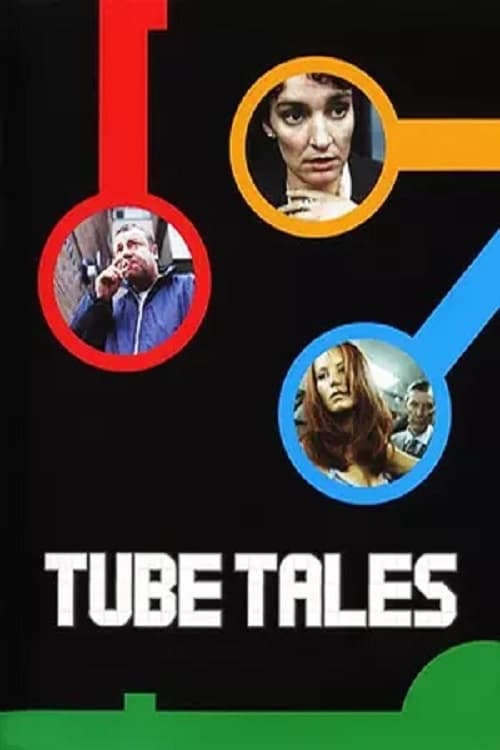
Tube Tales
1999
No user ratings available yet
Diversity score: 5.6 out of 10
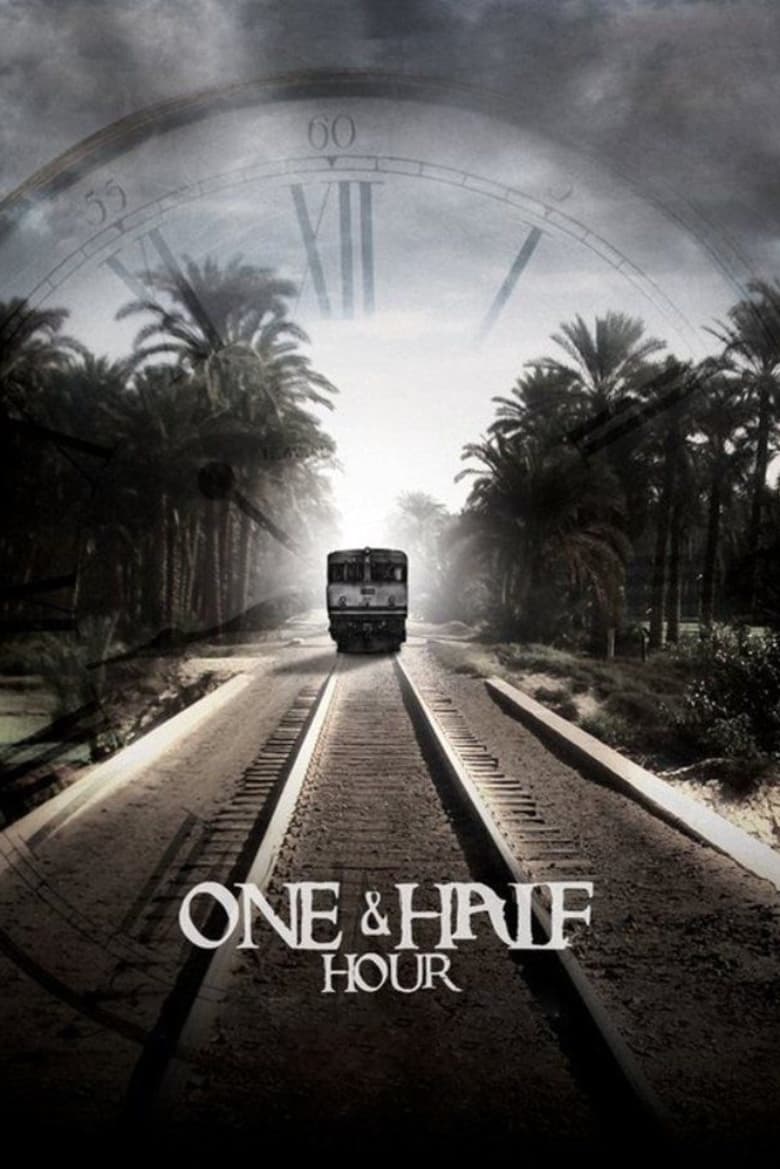
2012
Director
Wael Ehsan
Runtime
126 minutes
Average Rating
No ratings yetSynopsis
Based on the Ayyat train accident that killed 361 in 2002, this ensemble drama delves into the intense human stories of the passengers in a third-class coach car during the hour and a half before the crash.
Overall Score
Fair
Category Breakdown
LGBTQ+ Representation
The film lacks explicit evidence of LGBTQ+ characters or narratives. It appears to prioritize traditional familial and social structures within its specific cultural context.
Gender Representation
The ensemble cast in the third-class coach likely offers various female perspectives. However, the film does not show evidence of subverting traditional gender hierarchies.
Racial & Ethnic Diversity
The narrative centers a non-Western cast by focusing on a regional tragedy. This provides high agency to characters often marginalized in global cinema.
Religious & Cultural Diversity
The story critiques institutional negligence and systemic failure. It explores the fragility of life and the value of the individual against collective systems.
Disability Representation
The crowded train setting involves characters with varying physical vulnerabilities. There is no confirmed evidence of neurodivergent or physical disability driving character agency.
Strengths
Areas for Improvement
AI Analysis
An Hour and a Half succeeds in disrupting Western-centric cinematic homogeneity by centering a non-Western tragedy. By focusing on the Ayyat train accident, the film provides a platform for diverse socio-economic and ethnic identities that are frequently overlooked in global mainstream media. However, the film lacks engagement with specific identity-politics frameworks. It does not provide clear evidence of LGBTQ+ representation or intentionality regarding disability and neurodiversity. The narrative seems to rely on standard social structures rather than subverting them. Ultimately, the film's strength lies in its ensemble-driven exploration of systemic vulnerability. It offers a nuanced departure from high-resource narrative structures by focusing on the human experience within a mass casualty event.
1999

2008
2007
2011
2010
2023
2007
2007

2016
2019
2009
2007
No reviews yet. Be the first to share your thoughts on this movie!
Use the rating form above to leave a star rating and optional review.