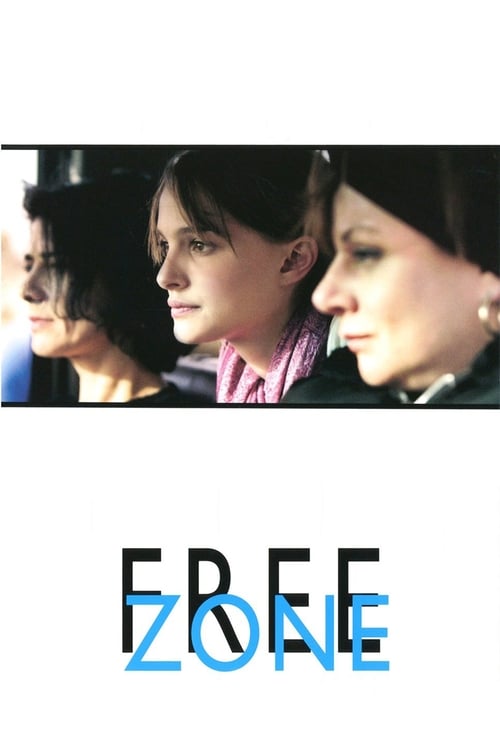
Free Zone
2005
No user ratings available yet
Diversity score: 5.8 out of 10
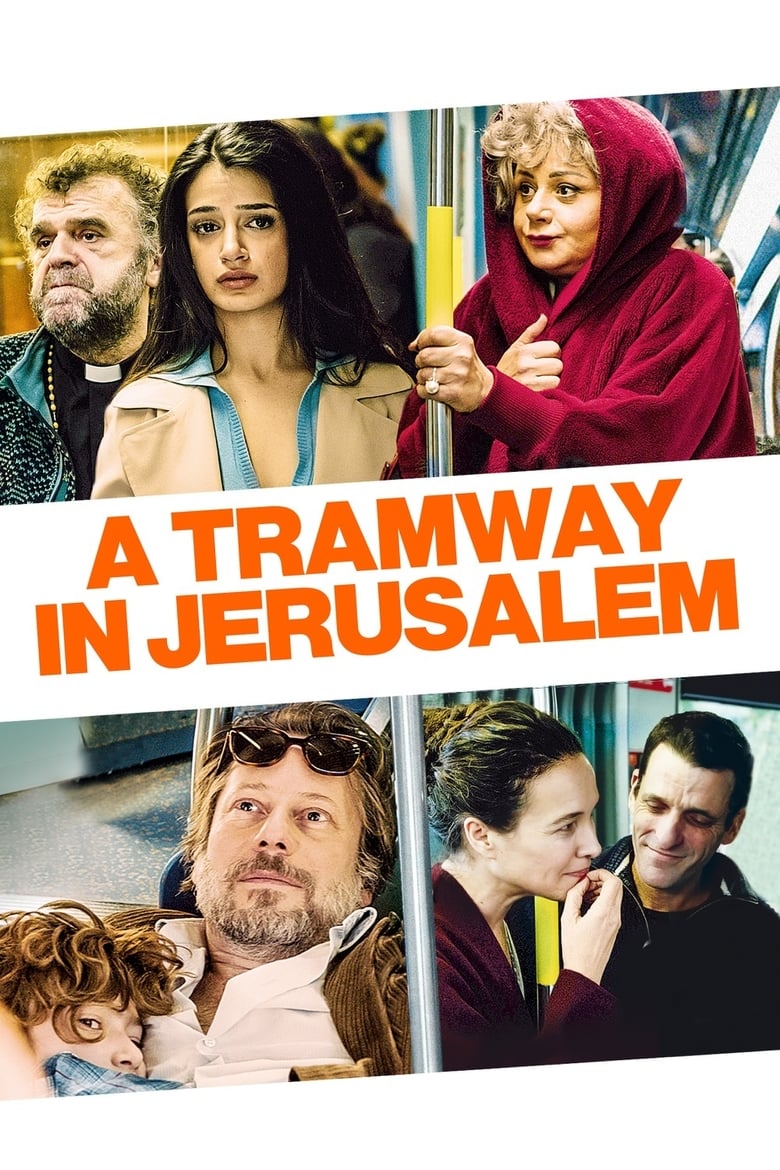
2018
Director
Amos Gitai
Runtime
93 minutes
Average Rating
No ratings yetSynopsis
On a tramway that connects several of Jerusalem's neighborhoods from East to West, a mosaic of people from different religious and ethnic backgrounds are brought together.
Overall Score
Fair
Category Breakdown
LGBTQ+ Representation
The film lacks explicit LGBTQ+ characters or storylines. It focuses on broader human connections without addressing non-cisnormative identities or critiques of heteronormativity.
Gender Representation
The narrative avoids rigid gender hierarchies by emphasizing a mosaic of individual experiences. It uses a meditative structure to favor an egalitarian, observational lens over masculine tropes.
Racial & Ethnic Diversity
The film excels by depicting Jerusalem's demographic reality. It features both Jewish and Arab characters, highlighting the complex, multi-ethnic fabric of the region through shared transit spaces.
Religious & Cultural Diversity
The story explores situational truths and conflicting identities rather than a singular morality. It prioritizes the complexities of contested territory over traditional religious or institutional certainties.
Disability Representation
There is no significant or intentional focus on neurodivergence or physical disabilities. Characters are defined by ethnic and social identities rather than disability agency.
Strengths
Areas for Improvement
AI Analysis
Amos Gitai’s film serves as a sophisticated cinematic inquiry into a contested urban center. Its primary strength is the use of a postmodern, non-linear narrative to reflect a fractured, multi-ethnic reality. By centering the story on a tramway, the film effectively disrupts monolithic portrayals of history and territory. However, the work lacks depth in specific representation categories. There is a notable absence of LGBTQ+ narratives and intentional focus on disability. While the film captures the intersectional ethnic and religious landscape of Jerusalem, these specific social identities remain secondary to the broader geopolitical themes. Ultimately, the film succeeds as a study of cultural complexity and ethnic intersectionality. It trades traditional character archetypes for a landscape of subjective experiences, making it a nuanced, if specialized, piece of storytelling.
2005
2007
1996
2014
2014
2003
2005
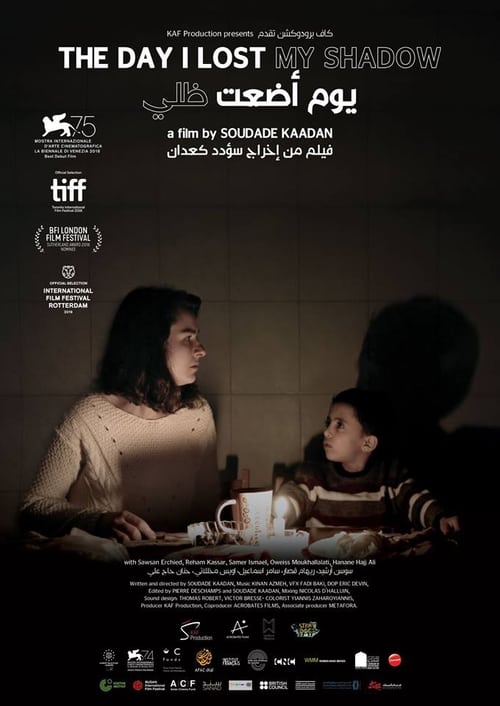
2019
2010

2017
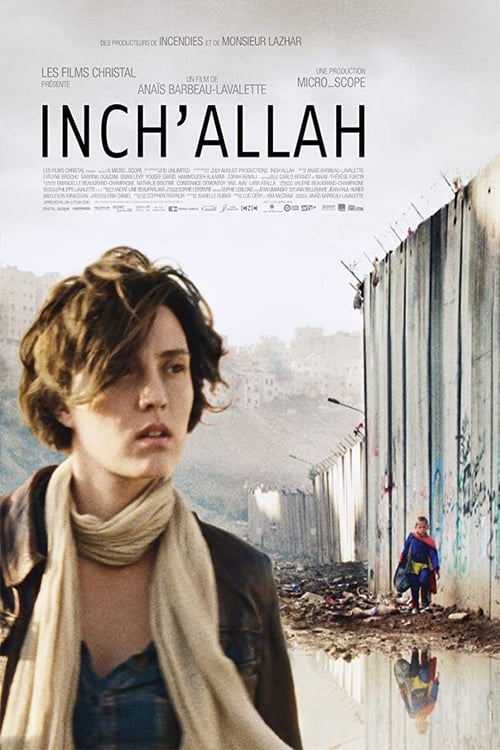
2012
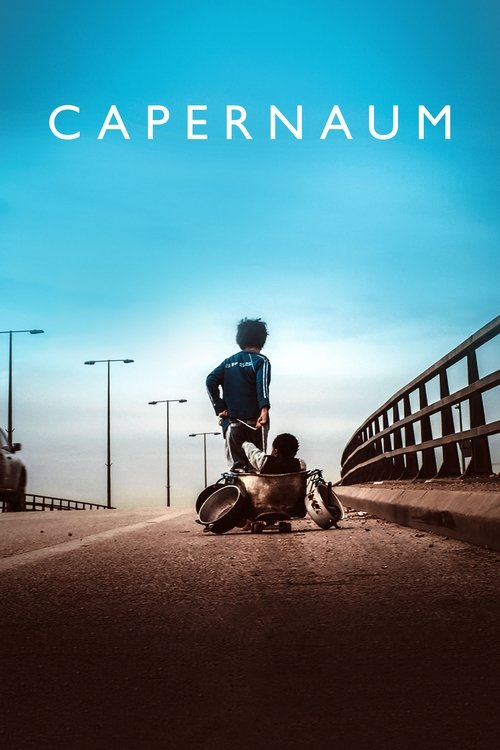
2018
No reviews yet. Be the first to share your thoughts on this movie!
Use the rating form above to leave a star rating and optional review.