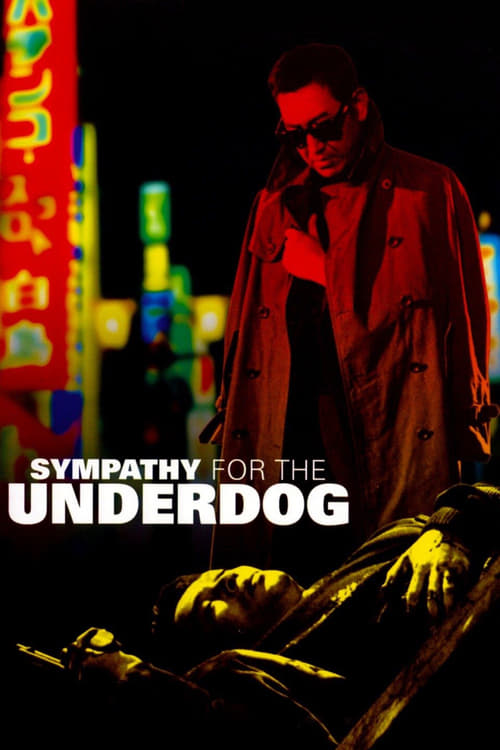
Sympathy for the Underdog
1971
No user ratings available yet
Representation score: 5.4 out of 10
Representation Score
Limited
1976
RDirector
Kazuhiko Yamaguchi
Runtime
89 minutes
Average Rating
No ratings yetNew Showbiz Analysis
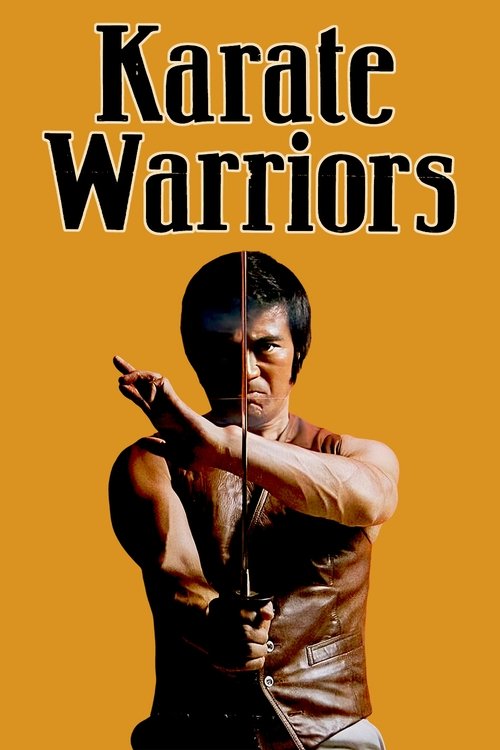
Karate Warriors is a product of its historical and cultural context, adhering to the conventions of 1970s Japanese action cinema. The film emphasizes traditional masculine roles centered around themes of protection, honor, and gang conflict. While the film accurately mirrors the cultural homogeneity of its era, it lacks depth in representing diverse identities. Its narrative structure revolves around male-centric physical prowess and localized social dynamics, offering little deviation from standard crime drama formulas. Ultimately, the film serves as a conventional genre piece, reinforcing traditional social hierarchies and gender roles without challenging them through varied storytelling.
Category Breakdown
The film follows the traditional structures typical of 1970s Japanese crime cinema, with no evidence of queer narratives or diverse gender identities.
The story centers on masculine roles, particularly Sakata's role as a stoic protector. Female characters seem to play secondary or supporting roles and have limited influence over the plot.
Given its Japanese setting, the cast is culturally uniform. The film reflects the demographics of its time without seeking diverse casting.
The story focuses on local gang rivalries and personal codes of honor. It does not challenge institutional norms and upholds traditional ideas of duty and social order.
The film does not include characters dealing with physical or neurodivergent disabilities. Disability is not used as a plot device.
Present on Screen
Limited or Absent
Official Synopsis
Sakata protects a little boy while coping with rival gangs.
1971
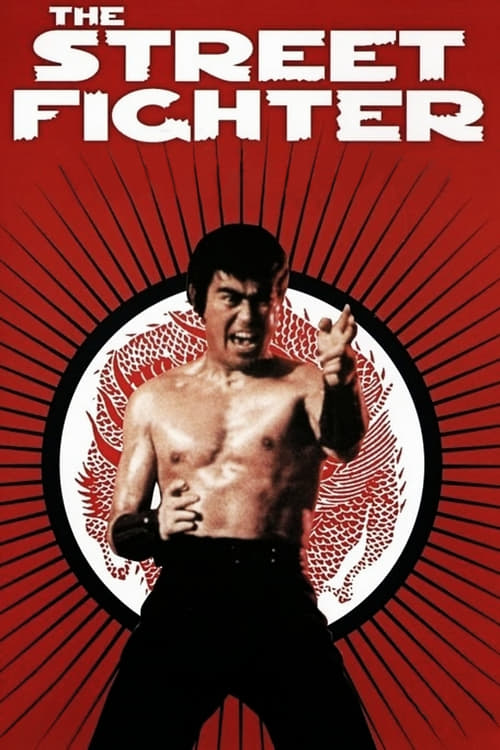
1974

1976
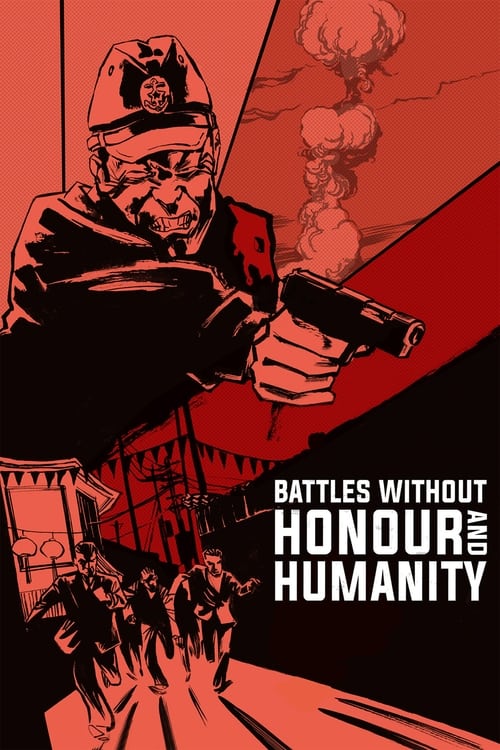
1973
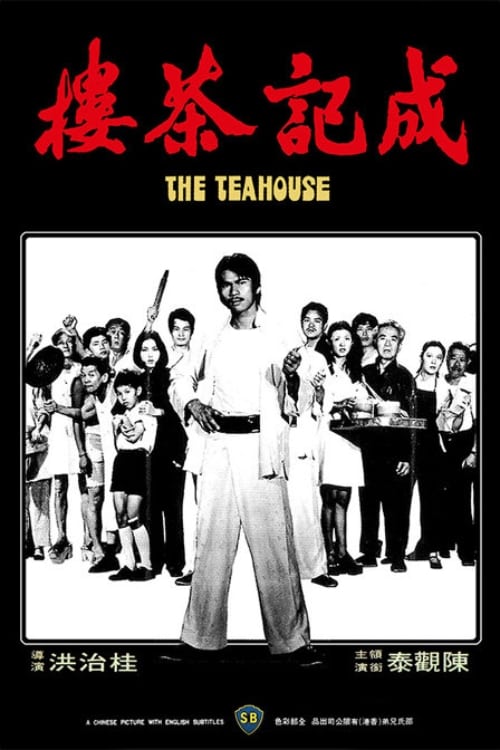
1974
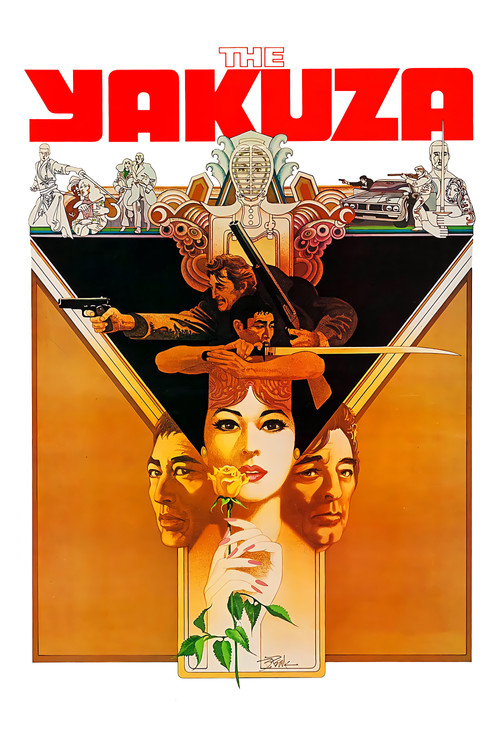
1974
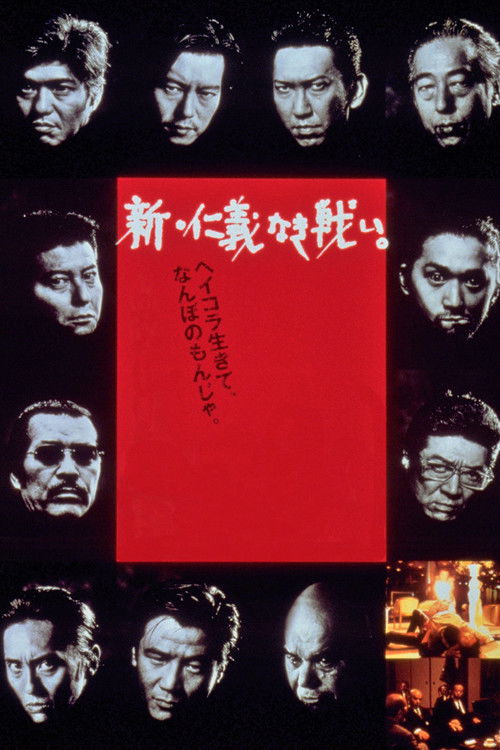
2000
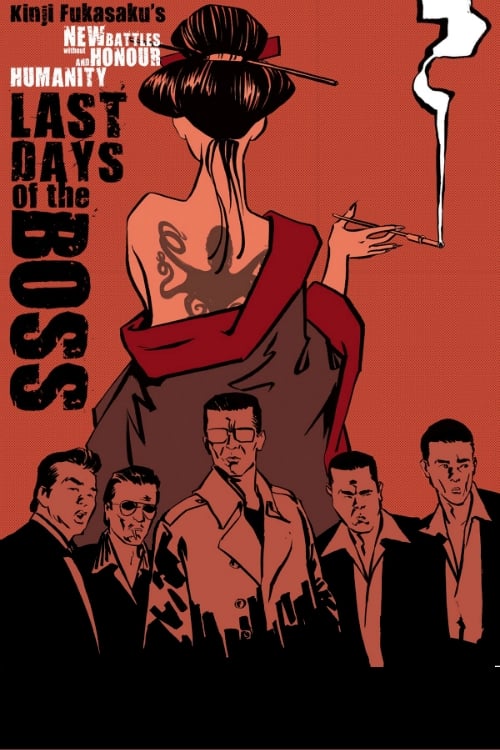
1976
No reviews yet. Be the first to share your thoughts on this movie!
Use the rating form above to leave a star rating and optional review.