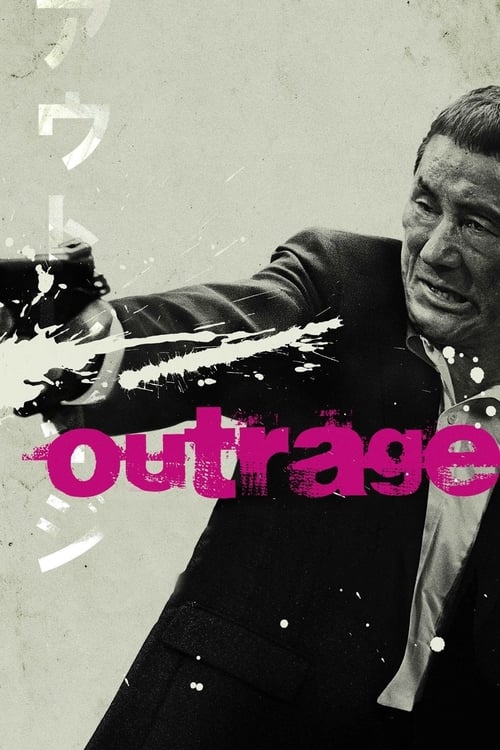
Outrage
2010
No user ratings available yet
Representation score: 0.7 out of 10
Representation Score
Limited
2017
Director
Takeshi Kitano
Runtime
104 minutes
Average Rating
No ratings yetNew Showbiz Analysis
Takeshi Kitano’s film is a gritty exploration of systemic rot within criminal hierarchies. It expands its scope by incorporating South Korean elements and cross-border tensions. However, the work remains heavily anchored in traditional masculine clichés. The focus on patriarchal violence and rigid male-dominated structures limits the film's inclusivity. Ultimately, while the film offers a cynical critique of institutional honor, it lacks diverse character's ability to drive the story and inclusive representation.
Category Breakdown
The film lacks LGBTQ+ characters or narratives that challenge the assumption that everyone is straight or cisgender. It operates within a rigid, hyper-masculine framework.
Women are relegated to peripheral or domestic roles without significant control over their own lives. The story centers on male power struggles and organized crime.
Setting the story in South Korea introduces meaningful international engagement. The tension between Japanese and Korean factions provides a nuanced look at regional ethnic friction.
The narrative deconstructs the Yakuza as a corrupt, oppressive system. It explores postmodern skepticism toward social hierarchies using traditional institutions.
There is no discernible evidence regarding the portrayal of physical or neurodivergent disabilities.
Present on Screen
Limited or Absent
Official Synopsis
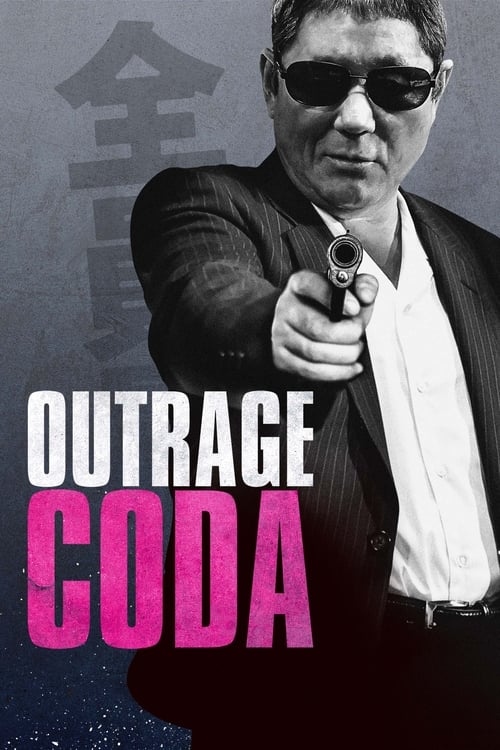
Five years after the all-out war between the Sanno and Hanabishi crime families, former yakuza boss Otomo works in South Korea for Mr. Chang, a noted fixer. When tensions rise between Chang and the Hanabishi, and Chang's life is endangered, Otomo returns to Japan to settle things once and for all.
2010

2012
1993
1974
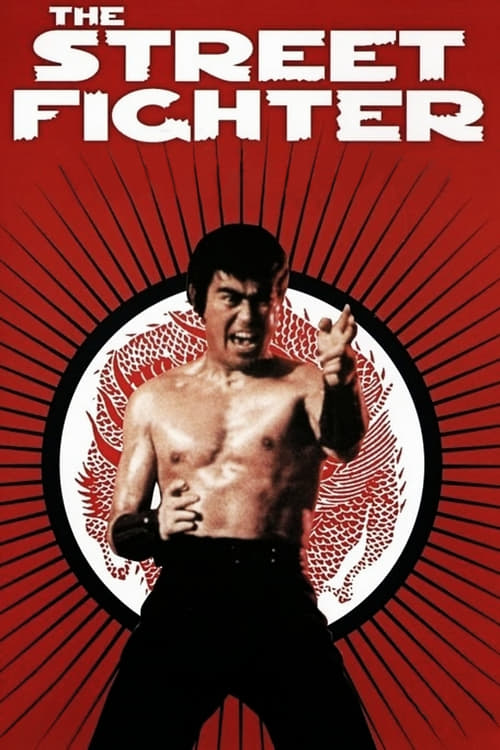
1974
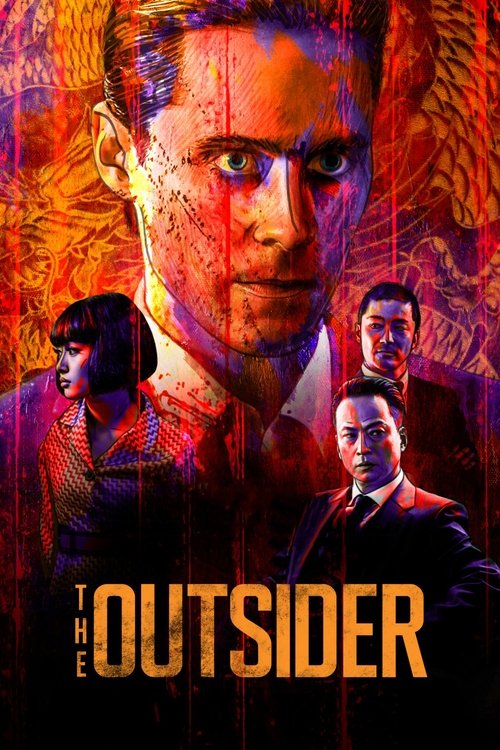
2018
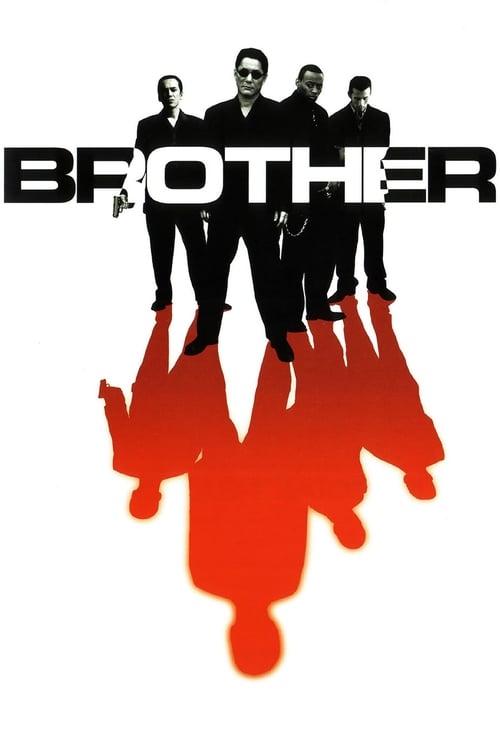
2000
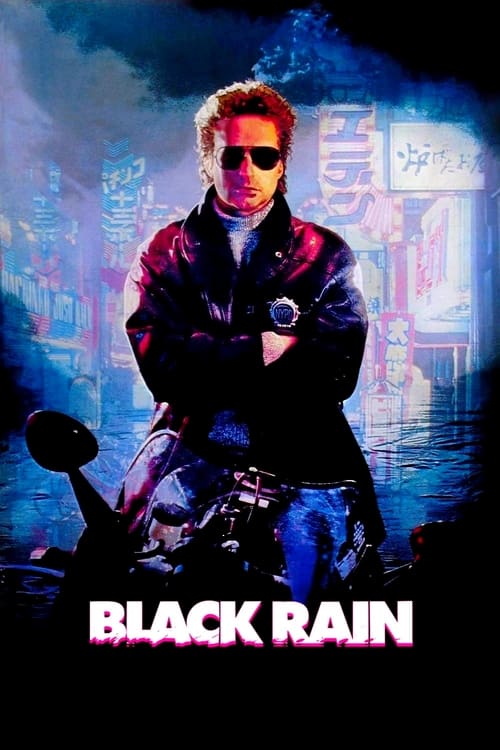
1989
No reviews yet. Be the first to share your thoughts on this movie!
Use the rating form above to leave a star rating and optional review.