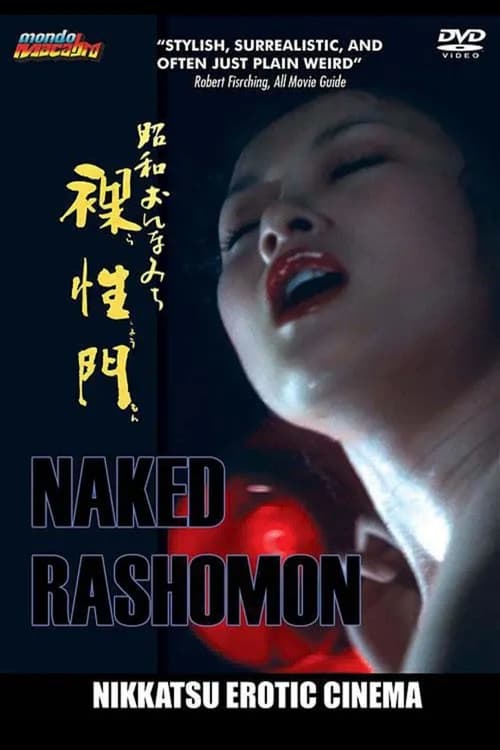
Naked Rashomon
1973
No user ratings available yet
Representation score: 2.8 out of 10
Representation Score
Excellent
1985
Director
Shinji Sōmai
Runtime
100 minutes
Average Rating
No ratings yetNew Showbiz Analysis
Shinji Sōmai’s drama delves into the complexities of human relationships and the fluidity of social identity. By focusing on a protagonist raised in a non-traditional household led by two men, the film moves away from conventional family models. The narrative emphasizes intricate and often unstable social roles over rigid institutional hierarchies. This provides a nuanced look at how individuals cope with shifting guardianship and systemic trauma. However, the film does not offer specific details about the portrayal of physical or neurodivergent disabilities or the romantic orientations of the main characters.
Category Breakdown
The film showcases a household run by two young men who adopt and raise the main character. This setup deviates from typical patriarchal or matriarchal family structures.
Iori challenges the stereotype of passive females by actively navigating complicated legal and personal issues. Her transformation from a housekeeper to a key figure in the plot defies traditional gender roles.
This Japanese production stays within its cultural context, avoiding Western casting norms. The film focuses on its specific cultural setting.
The story examines the breakdown of institutional authority and familial bonds. It portrays social institutions like orphanages as sources of trauma rather than stability.
The current narrative details provide no evidence regarding the depiction of physical or neurodivergent disabilities.
Present on Screen
Limited or Absent
Official Synopsis
Iori, taken from an orphanage by a family for domestic work, runs away and is adopted and raised by two young men. Ten years later, she crosses paths with her former step-sister, who is soon poisoned to death, Iori being the prime suspect.
1973
1951
1984
1978

1968

1985
1967
1973
No reviews yet. Be the first to share your thoughts on this movie!
Use the rating form above to leave a star rating and optional review.