Double Suicide
1969
No user ratings available yet
Representation score: 5.3 out of 10
Representation Score
Limited
1967
Director
Mamoru Watanabe
Runtime
75 minutes
Average Rating
No ratings yetNew Showbiz Analysis
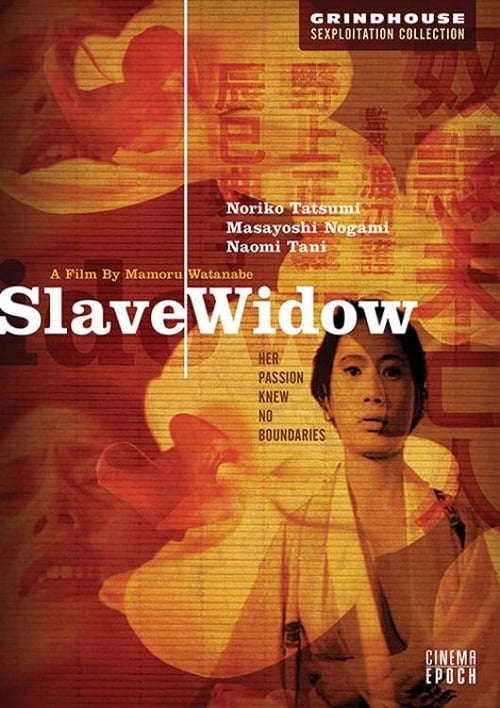
Slave Widow (1967) is a period drama that explores the tension between individual ability to act and rigid social hierarchies. The film's strength lies in its critique of how economic systems can be used to subjugate women, offering a narrative that challenges the stability of traditional social orders. However, the film remains deeply rooted in the era's traditional power imbalances. The central conflict is driven by male characters who control the protagonist's life, and the lack of diverse representation limits its modern relevance. Ultimately, the film serves as a study of victimization within a patriarchal framework rather than a story of empowerment.
Category Breakdown
The film does not include any LGBTQ+ characters or non-straight identities. It focuses solely on a coercive heterosexual relationship between the protagonist and her creditors.
Mitsuko's struggle highlights the vulnerability of women within a patriarchal economic system. Despite being the central character, Mitsuko's powerlessness underscores the dominance of male control.
This is a culturally specific Japanese production with a homogeneous cast. It does not depict a multi-ethnic or diverse social structure within its period setting.
The film critiques systemic corruption by showing how financial debt is used to subjugate individuals. It challenges traditional morality through the lens of economic power dynamics.
There is no information available regarding the depiction of physical or neurodivergent disabilities in this work.
Present on Screen
Limited or Absent
Official Synopsis
After her husband's suicide, young and beautiful Mitsuko Fuji feels alone and helpless -- until one of her husband's major creditors, Mr. Kito, offers a sympathetic ear and a cancellation of all debts. However, Mitsuko soon learns that Kito's intentions are anything but pure, as she's forced to become his personal concubine. Her only, improbable hope for redemption lies with her one true admirer: Kito's very own son.
1969
1964
1967
1951
1975
1956

1976
1961
No reviews yet. Be the first to share your thoughts on this movie!
Use the rating form above to leave a star rating and optional review.