Erotic Symphony
1980
No user ratings available yet
Representation score: 6.8 out of 10
Representation Score
Good
1985
Director
Shinji Sōmai
Runtime
88 minutes
Average Rating
No ratings yetNew Showbiz Analysis
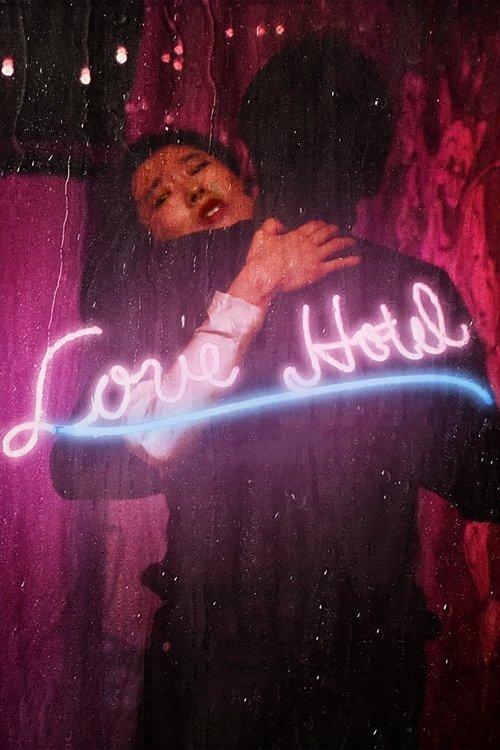
Shinji Sōmai’s *Love Hotel* is a deconstruction of romantic archetypes that prioritizes thematic subversion over demographic variety. It excels at critiquing social institutions and the transactional nature of modern intimacy, providing a sophisticated postmodern perspective. While the film offers deep psychological insight and challenges traditional gender hierarchies, it remains demographically narrow. The focus is strictly on a localized Japanese experience, lacking explicit LGBTQ+ representation or ethnic diversity. Ultimately, the work's progressive value stems from its rejection of traditional moral authority and its portrayal of characters existing outside conventional social roles.
Category Breakdown
The film focuses on traditional heterosexual relationships rather than exploring diverse gender identities. However, it challenges typical romance by highlighting emotional detachment and fluid sexual relationships.
Yumi and Tetsuro break away from traditional masculine and feminine roles. The narrative emphasizes shared vulnerability and autonomous, often unfulfilling, emotional states over domestic stability.
The cast and setting feature a homogeneous Japanese ensemble. It serves as a localized study of 1980s urban alienation rather than a multicultural exploration.
Sōmai critiques the commodification of intimacy within consumerist structures. The film embraces moral relativism, rejecting traditional religious or institutional condemnation of its characters' behaviors.
No physical or neurodivergent disabilities are prominently depicted. The characters' struggles center on psychological alienation and socioeconomic instability.
Present on Screen
Limited or Absent
Official Synopsis
A call-girl named Yumi and Tetsuro, a married man with a debt to the yakuza, have a violent rendezvous in a cheap love hotel. Years later, haunted by the memory of that night, they reconnect and begin a strange love affair. Determined to finish what they started, they return to the scene of their first macabre passion.
1980
1951
1980
1978
1989
1989

1971
1971
No reviews yet. Be the first to share your thoughts on this movie!
Use the rating form above to leave a star rating and optional review.