The Egoists
2011
No user ratings available yet
Representation score: 4.9 out of 10
Representation Score
Good
1973
Director
Kōichi Saitō
Runtime
103 minutes
Average Rating
No ratings yetNew Showbiz Analysis
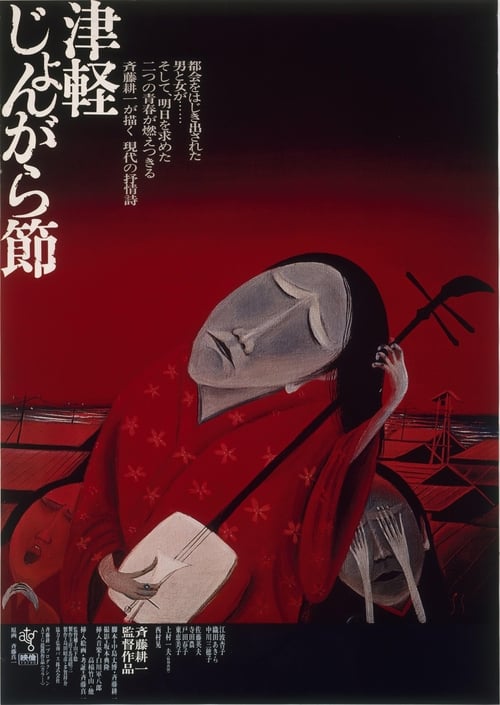
Tsugaru Folksong presents a realistic look at characters living in rural Japan, avoiding the comfort of traditional family life. It portrays characters navigating life through unconventional social roles, especially regarding women’s independence. While the film explores social instability and regional identity, it doesn’t clearly represent LGBTQ+ identities or deeply explore disability. The focus remains on the contrast between urban and rural life in Japan. Overall, the film offers a nuanced view of those living on the margins of society, even if it stays within certain demographic boundaries.
Category Breakdown
The film suggests non-traditional relationships through a woman selling favors to tourists and a partner who isn't possessive. However, it doesn’t explicitly show queer identities or same-sex intimacy.
The story focuses on women’s ability to drive the plot and survive within complex economic conditions. The male lead is portrayed as socially unstable rather than in a traditional dominant role.
The film highlights the cultural differences between urban Tokyo and rural Tsugaru. Although the cast is ethnically similar, it emphasizes regional identity through local customs.
The movie looks at characters living on the fringes of society by questioning traditional social institutions. It emphasizes regionalism and moral flexibility over centralized authority.
Yuki, a blind girl, adds complexity to the story. It’s unclear if her blindness drives her story or if it’s just a background detail.
Present on Screen
Limited or Absent
Official Synopsis
A young girl is being asked about a man with whom she was keeping company, as her grandmother plays a lament on a shamisen. Then the focus changes to a couple arriving from Tokyo - the woman returning to her home, the man an escapee from the yakuza. The man doesn't seem to mind when the woman sells her favours to tourists at the local bar, just as she seems to take his attentions to Yuki, a blind girl, with equanimity.
2011
1951
1973

1956
2002

1963
1972
1969
No reviews yet. Be the first to share your thoughts on this movie!
Use the rating form above to leave a star rating and optional review.