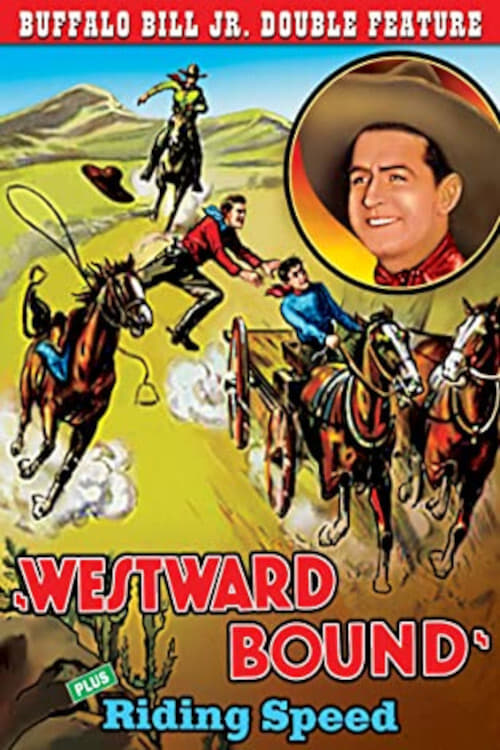
Westward Bound
1930
No user ratings available yet
Diversity score: 2.4 out of 10
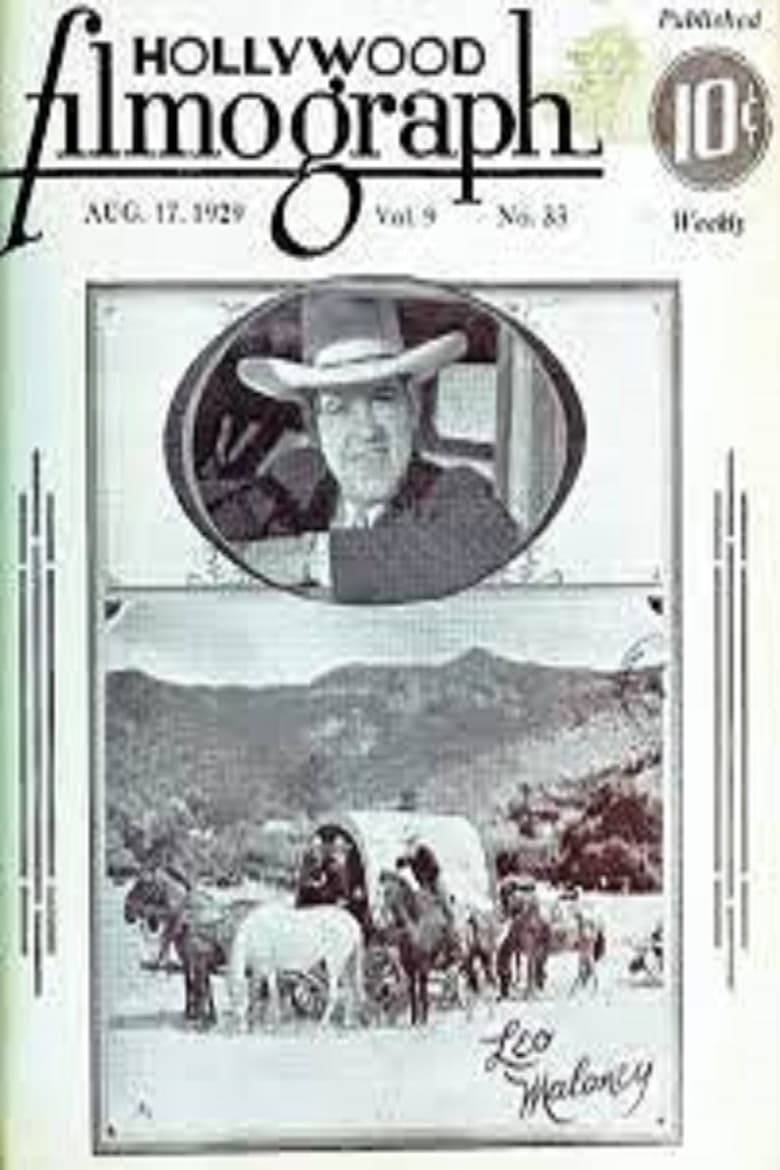
1929
PassedDirector
Leo D. Maloney
Runtime
58 minutes
Average Rating
No ratings yetSynopsis
Trying to trick Ma (Lydia Knott) and Mary Winters (Allene Ray) into selling their rundown ranch, which will be in the path of a future railroad, Underwood (Charles K.French) hires Keno Creager (Albert Smith) to impersonate Jimmy Winters, not seen by his mother and sister for many years.
Overall Score
Limited
Category Breakdown
LGBTQ+ Representation
The film follows a traditional heteronormative structure. There are no depictions of non-cisnormative identities or critiques of heteronormativity.
Gender Representation
Female characters serve as the emotional stakes rather than primary drivers of agency. The plot centers on protecting the domestic sphere from male-driven deception.
Racial & Ethnic Diversity
The narrative focuses on a homogeneous white cast within a frontier setting. There is no indication of diverse ethnic ensembles or race-bent casting.
Religious & Cultural Diversity
The story emphasizes property rights and the expansion of the railroad. It operates within a standard Western framework of land and progress.
Disability Representation
There is no evidence of characters with visible or invisible disabilities in this production.
Strengths
Areas for Improvement
AI Analysis
Overland Bound is a quintessential product of the late silent era, adhering strictly to the genre tropes of the 1920s Western. The narrative is built around traditional hierarchies and moral binaries, focusing on land ownership and familial preservation. The film lacks any intentional effort to disrupt social or gender norms. Instead, it reinforces the era's status quo through its character archetypes and thematic priorities. Ultimately, the work functions as a standard genre piece that reflects the social constraints of 1929 American cinema.
1930
1931
1930
1935
1947
1938
1946
1940
1946
1924
1920
1931
No reviews yet. Be the first to share your thoughts on this movie!
Use the rating form above to leave a star rating and optional review.