Street Fighter II: The Animated Movie
1994
No user ratings available yet
Representation score: 3.8 out of 10
Representation Score
Fair
1989
RDirector
Nobutaka Nishizawa
Runtime
50 minutes
Average Rating
No ratings yetNew Showbiz Analysis
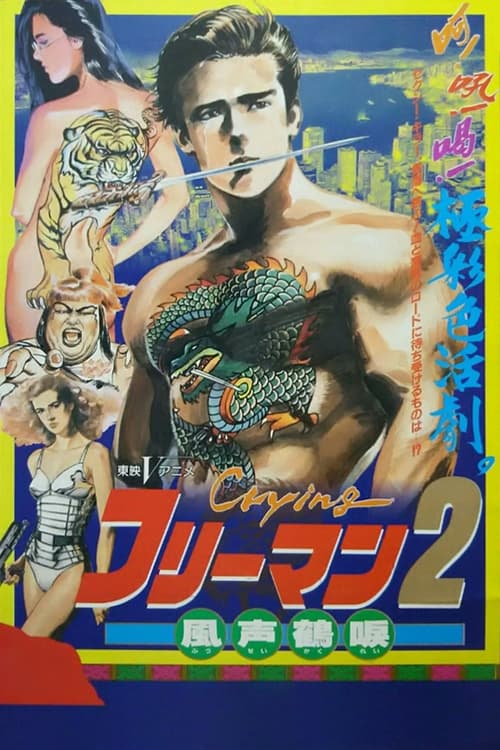
Crying Freeman 2: Shades of Death, Part 1 offers a moderate level of diversity by moving beyond homogeneous settings. The film utilizes a transnational framework, blending Macau-based organizations with American mob influences to create a multicultural backdrop. Gender representation is a highlight, specifically through Baya San's active role in challenging male leadership. By positioning a female character as a primary antagonist seeking leadership, the film subverts the stereotype of the passive female character common in action genres. However, the film remains anchored in the stylistic and moral conventions of late-80s animation. The romantic structures and focus on traditional gang hierarchies limit its exploration of more progressive or non-traditional identities.
Category Breakdown
The story centers on the marriage of Yo and Emu. There is no evidence of LGBTQ+ identities or queer representation within the narrative.
Baya San disrupts traditional hierarchies by challenging male leadership within the 108 Dragons. However, female power is occasionally framed through reactionary or romantic conflict.
The setting blends East Asian locations like Macau with American criminal elements. This creates a multicultural landscape involving both Western and non-Western influences.
The plot focuses on the internal politics and honor of a non-Western syndicate. It prioritizes gang hierarchy over traditional Western legalistic or moral frameworks.
The narrative contains no discernible mention of characters with visible or invisible disabilities.
Present on Screen
Limited or Absent
Official Synopsis
With the blessing of the 108 Dragons, Yo and Emu marry and receive new names, Ron Tayan and Fu Ching Ran. The elders send them to Macau to find out who's behind a new attack. Fu is kidnaped; at the same time, Baya San (the huge granddaughter of the 108 Dragons' aged leaders) demands to be the next head of the gang, not Ron. The childish Baya San has joined forces with the Macau gang, in league with the American mob. A surprise visitor from the US arrives where Fu is being held captive. Can Ron rescue her, find the traitor within the 108 Dragons, defeat his enemies, and bring discipline to Baya San? He must still face the angry and deadly girlfriend of the American visitor.
1994
1997
1994
2009
2003

1999

1987
1992
No reviews yet. Be the first to share your thoughts on this movie!
Use the rating form above to leave a star rating and optional review.