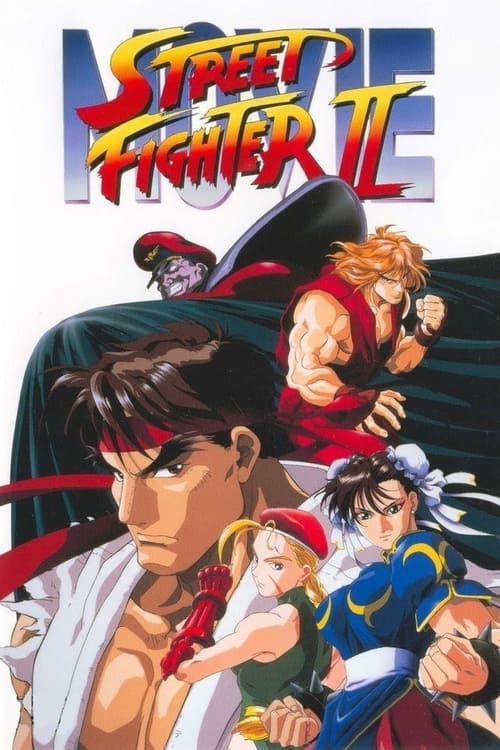
Street Fighter II: The Animated Movie
1994
No user ratings available yet
Representation score: 3.8 out of 10

Representation Score
Limited
1994
Not RatedDirector
Yuji Asada
Runtime
45 minutes
Average Rating
No ratings yetNew Showbiz Analysis
Grappler Baki: The Ultimate Fighter is a classic 1990s shōnen action series that emphasizes genre clichés over social complexity. The narrative centers on the pursuit of physical superiority and individual struggle, limiting opportunities for diverse perspectives. The film adheres to traditional masculine and meritocratic conventions. By focusing on the 'perfect' physical specimen, the story avoids exploring neurodiversity, disabilities, or non-traditional social structures. Ultimately, the work celebrates determination and martial skill. It stays within the demographic and thematic confines of its era and genre.
Category Breakdown
The film does not include any LGBTQ+ characters or stories. The plot revolves around physical combat and personal achievements, without addressing non-straight or non-cisgender identities.
The story centers on a traditional male-dominated structure. Baki Hanma's journey emphasizes physical strength and dominance, with little deviation from typical gender roles.
The cast appears predominantly uniform, reflecting the demographic norms of 1990s Japanese martial arts animation. The story focuses on a culturally specific protagonist.
The narrative celebrates individual achievement and physical discipline. It upholds conventional meritocratic ideals without significantly challenging cultural or secular norms.
The film highlights peak human physical abilities. Vulnerabilities such as nerve damage are used as plot devices, but do not offer nuanced portrayals of disabilities.
Present on Screen
Limited or Absent
Official Synopsis
His name is Baki Hanma. No one knows where he came from or where he learned his unique fighting style. When it comes to Karate, Baki Hanma is just plain GOOD. He can defeat an opponent with a single blow and he's taking the Karate Championship by storm. In a prestigious match, he defeats competitor after competitor even though he's totally unknown and barely even ranked. But now he's in for the fight of his life and he may have just met his match. Anything goes and his opponent can rip his nerves out -- literally. If he wins, he's the BEST. If he loses... he's DEAD.
1994
1997

2011
2003
2003
2008
1991

2010
No reviews yet. Be the first to share your thoughts on this movie!
Use the rating form above to leave a star rating and optional review.