
Luna caliente
2009
No user ratings available yet
Representation score: 5.2 out of 10
Representation Score
Fair
1982
Director
Vicente Aranda
Runtime
110 minutes
Average Rating
No ratings yetNew Showbiz Analysis
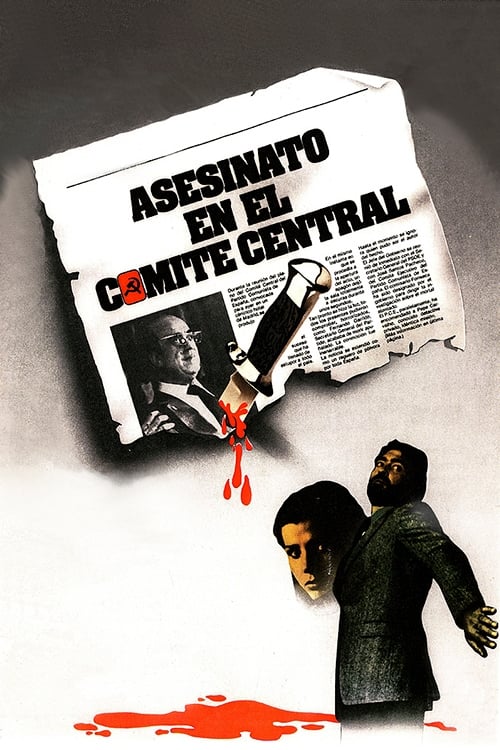
Murder in the Central Committee operates as a political deconstruction rather than a study of demographic representation. It prioritizes the friction between grassroots movements and state intelligence agencies over identity-driven storytelling. The film's strength lies in its cultural engagement, using a detective noir framework to explore systemic instability and ideological ambiguity. However, the narrative lacks visible representation of underrepresented groups. The focus remains heavily on the socio-political tensions of Spain, which limits the scope of racial and gender diversity.
Category Breakdown
The film focuses on political espionage and ideological conflict. There are no explicit LGBTQ+ characters or narratives that question the assumption that everyone is straight or cisgender.
The story centers on a male detective navigating a male-dominated political landscape. While there are hints of irony that might challenge power structures, specific female character arcs are not detailed.
Set in Barcelona and Madrid, the narrative prioritizes ideological affiliation over the way different parts of someone's identity overlap. The cast likely reflects the demographic homogeneity of early 1980s Spain.
The film engages deeply with non-traditional frameworks by critiquing Communist and intelligence institutions. It uses irony to challenge Western institutional stability and traditional morality.
There is no evidence suggesting that disability, neurodivergence, or chronic illness play a role in the character development or narrative.
Present on Screen
Limited or Absent
Official Synopsis
The plot follows a private detective, an ex communist and former CIA agent, who travels from Barcelona to Madrid to discover the identity of the assassin of the leader of the Spanish Communist party who was stabbed during a blackout while presiding over a meeting of the party's central committee. The film is a thriller with ironic political overtones.
2009

1979
1964
1976
1991

1960
1984
1983
No reviews yet. Be the first to share your thoughts on this movie!
Use the rating form above to leave a star rating and optional review.