Hail! Mafia
1965
No user ratings available yet
Representation score: 1.2 out of 10
Representation Score
Fair
1991
Director
Pilar Miró
Runtime
109 minutes
Average Rating
No ratings yetNew Showbiz Analysis
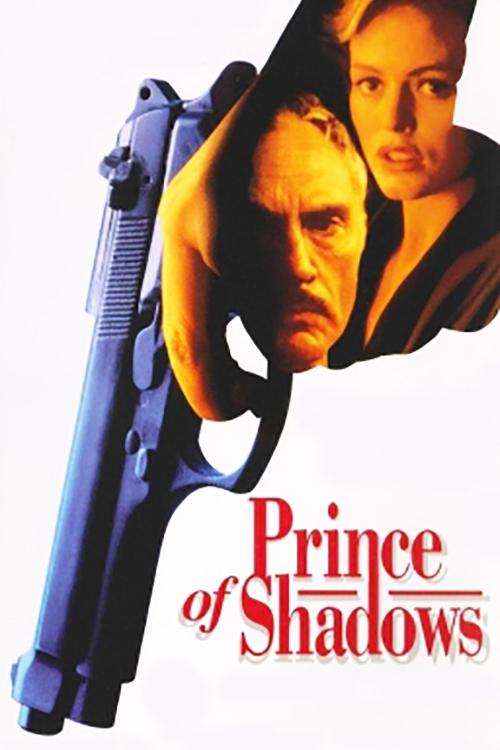
Prince of Shadows is a period thriller that prioritizes ideological subversion over broad demographic representation. It functions as a critique of the post-Civil War Spanish state, using the genre to explore the tension between political remnants and the established social order. The film achieves its strength through cultural depth, centering on an outsider whose pursuit of justice disrupts conventional portrayals of authority. However, this focus comes at the expense of broader representation, as the narrative lacks visible LGBTQ+ or racial diversity. Ultimately, the film is a specialized historical study, trading wide-ranging social inclusivity for a concentrated, systemic critique of power and historical morality.
Category Breakdown
The film does not include explicit LGBTQ+ narratives or non-cisgender identities. The storyline focuses on political and ideological conflicts set in 1962.
The story centers around a male protagonist driven by political vengeance. While the plot follows traditional thriller clichés, there is a suggestion of deeper psychological complexity beyond simple archetypes.
Set in 1962 Madrid, the narrative emphasizes internal Spanish political struggles. There is no indication of intentional multi-layered casting or diverse ethnic representation.
The film excels by challenging institutional stability and state authority. It uses a communist protagonist to critique the post-war social order and traditional views of patriotism.
There is no information available regarding the depiction of physical or neurodivergent disabilities in this work.
Present on Screen
Limited or Absent
Official Synopsis
Madrid, 1962. More than twenty years after the civil war has finished, a communist comes back to Spain to kill a traitor.
1965
2016
1982

1975
1986

1994
1979
2009
No reviews yet. Be the first to share your thoughts on this movie!
Use the rating form above to leave a star rating and optional review.