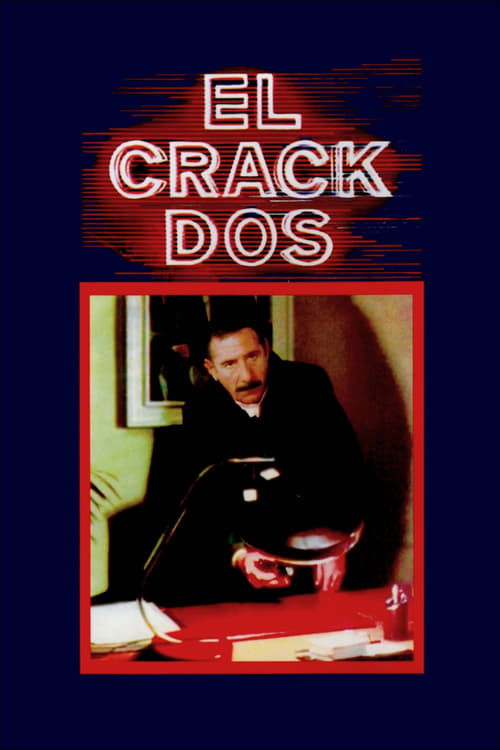
El crack dos
1983
No user ratings available yet
Representation score: 3.5 out of 10
Representation Score
Good
1984
Director
Pedro Costa Musté
Runtime
110 minutes
Average Rating
No ratings yetNew Showbiz Analysis
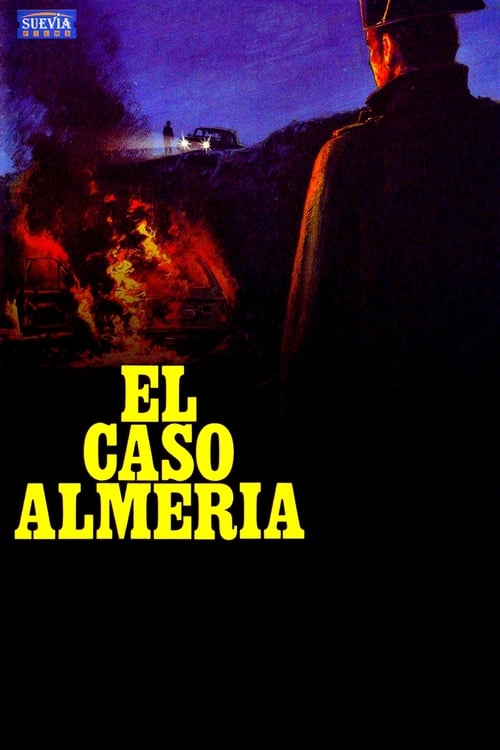
El caso Almería is a socio-political procedural that prioritizes institutional critique over demographic variety. Its strength lies in deconstructing state-sanctioned narratives and the perceived infallibility of the judiciary during Spain's transition to democracy. While the film engages deeply with themes of systemic corruption and subjective morality, it lacks representation across several identity markers. The narrative remains centered on traditional masculine authority and the demographic norms of its specific historical and geographic context. Ultimately, the film's progressive value is found in its interrogation of power rather than its inclusion of diverse identities.
Category Breakdown
The film does not include explicit LGBTQ+ storylines or characters. It focuses on legal and political issues that prioritize traditional social structures.
The main character, a Spanish judge, holds a traditionally male-coded professional position. However, the narrative may challenge patriarchal power dynamics through the protagonist's actions against the state.
The setting and political focus suggest a homogeneous demographic typical of 1980s Almería. There is no indication of significant racial or ethnic diversity in the cast.
The film strongly critiques systemic corruption and institutional secrecy. It challenges the integrity of Western legal and political systems through its examination of a political murder.
There is no evidence of characters with visible or invisible disabilities. The story centers on political and legal themes rather than neurodivergence or physical disability.
Present on Screen
Limited or Absent
Official Synopsis
When a Spanish judge has the courage to look into a political murder...
1983
1970

1986
1986
1975

1994
2019

1981
No reviews yet. Be the first to share your thoughts on this movie!
Use the rating form above to leave a star rating and optional review.