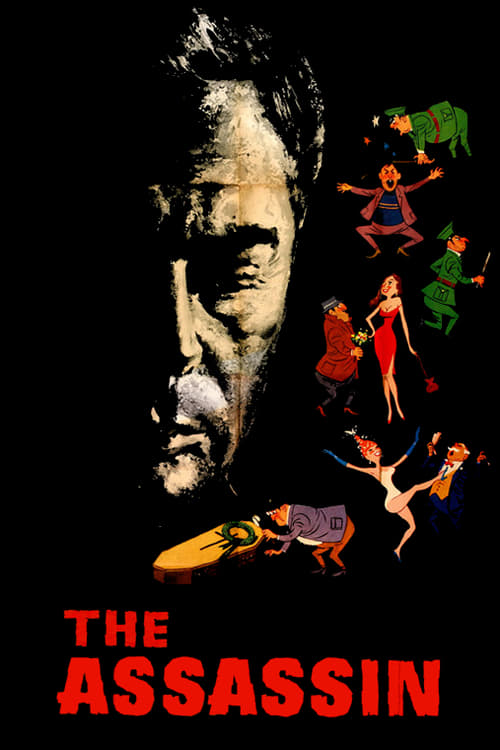
The Assassin
1961
No user ratings available yet
Representation score: 4.2 out of 10

Representation Score
Fair
1976
PGDirector
Francesco Rosi
Runtime
121 minutes
Average Rating
No ratings yetNew Showbiz Analysis
Francesco Rosi’s thriller is a sophisticated look at institutional corruption that focuses on political critique rather than broad demographic representation. While the film lacks representation across most identity categories, it excels in its critique of totalitarianism and state corruption. The narrative centers on the masculine, homogeneous world of Fascist-era Italy. This historical context limits the presence of diverse gender, racial, or LGBTQ+ perspectives, resulting in a narrow social scope. However, the film stands out by exposing how high-ranking officials manipulate justice to maintain control, challenging the integrity of traditional authority structures and the stability of official history.
Category Breakdown
The film adheres to the 1930s setting's assumptions about straight relationships. There are no queer narratives or characters with non-traditional gender identities.
Men hold nearly all the power and control in the story. The film emphasizes traditional gender roles by focusing on male-dominated political discussions.
Set in 1938 Italy, the film shows a mostly uniform society. It does not feature non-white characters or intentional casting to diversify the cast.
The film effectively critiques centralized power and totalitarianism. It portrays state institutions as corrupt tools used to hide violence and manipulate truth.
The film does not feature characters with visible or invisible disabilities. The focus is on systemic issues rather than individual physical or neurological differences.
Present on Screen
Limited or Absent
Official Synopsis
A detective is assigned to investigate the mysterious murders of some Supreme Court judges.
1961

1971

1975

1979

1964

1978

1981

1971
No reviews yet. Be the first to share your thoughts on this movie!
Use the rating form above to leave a star rating and optional review.