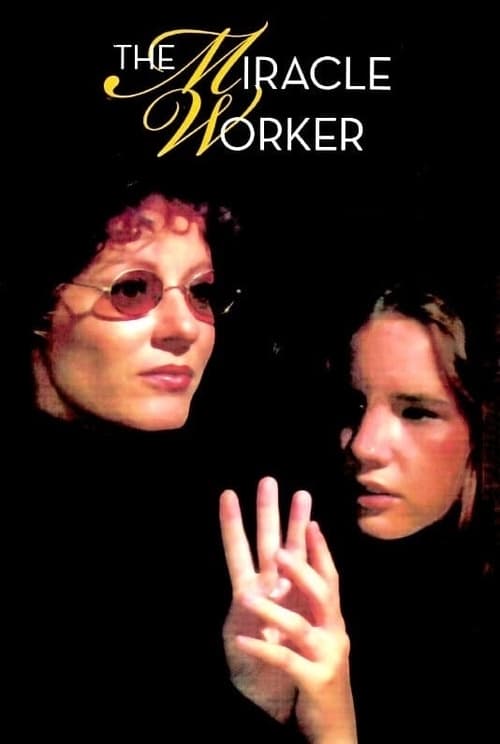
The Miracle Worker
1979
No user ratings available yet
Representation score: 4.0 out of 10
Representation Score
Fair
1982
PGDirector
Jack Hofsiss
Runtime
90 minutes
Average Rating
No ratings yetNew Showbiz Analysis
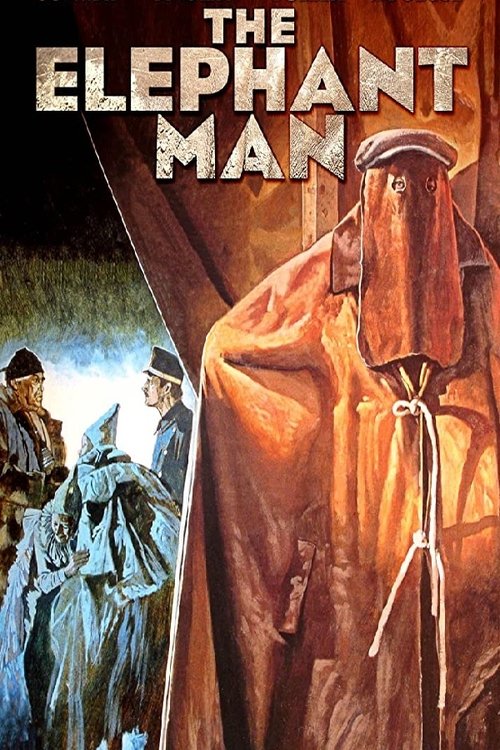
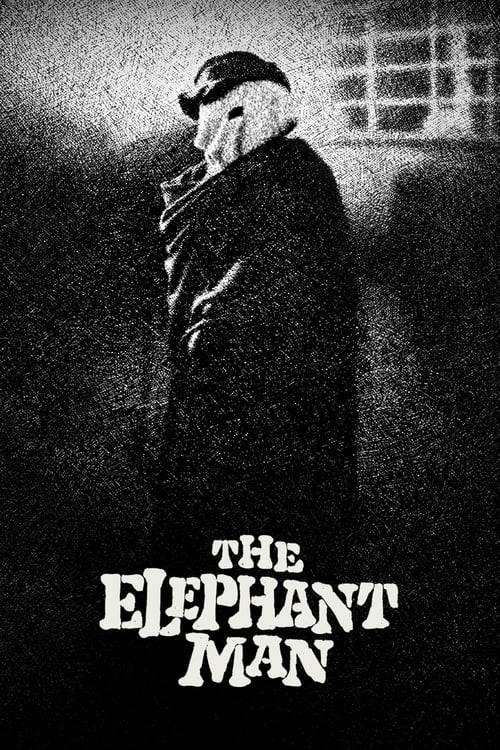
The Elephant Man focuses on the treatment of those considered 'other.' While it lacks diversity in terms of race and sexual orientation, it excels in its psychological depth regarding physical disability. The film avoids reducing deformity to a mere spectacle, instead highlighting the character's inner humanity. Structurally, the film critiques the exploitative nature of capitalist institutions and social hierarchies during the Victorian era. It emphasizes how these systems exploit underrepresented individuals. This thematic depth compensates for the film's limited diversity. Overall, the film is a narrow but deep exploration of class and ability. It succeeds by shifting the focus from the physical condition to the societal failures that create such spectacles.
Category Breakdown
The film does not include any LGBTQ+ characters or explore non-straight relationships. The romantic storyline focuses on a typical emotional bond between the main character and a woman.
The story follows traditional 19th-century gender roles. Women like Sue play emotional roles, while the plot centers around male-dominated medical and carnival spaces.
The film sets its scene in a predominantly white Victorian London. There are no significant non-white characters or discussions about racial diversity.
The film critically examines systemic structures. It portrays the freak show industry as a predatory system that exploits human suffering for profit.
The film offers a profound portrayal of a character with physical deformities. It gives the protagonist a significant role and intellectual depth, emphasizing his struggle for dignity.
Present on Screen
Limited or Absent
Official Synopsis
A taped version of the stage play about a hideously deformed 19th-century London man and how he managed to triumph over his disease.
1979

2014
2000

2001
1980

1985

2005

1992
No reviews yet. Be the first to share your thoughts on this movie!
Use the rating form above to leave a star rating and optional review.