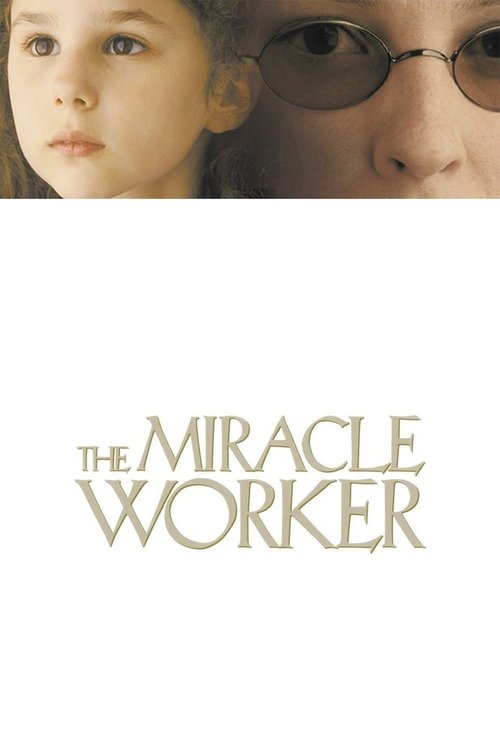
The Miracle Worker
2000
No user ratings available yet
Representation score: 5.3 out of 10
Representation Score
Limited
1979
UnratedDirector
Paul Aaron
Runtime
98 minutes
Average Rating
No ratings yetNew Showbiz Analysis
The film is a specialized character study that excels in its depiction of disability and the subversion of gendered intellectual hierarchies. It avoids the common pitfall of portraying the disabled protagonist as a passive object of pity, instead framing her journey as a battle for autonomy. However, the production is limited by its strict adherence to the historical demographics of the late 19th-century American South. This results in a lack of racial and LGBTQ+ diversity within the primary narrative arc. Ultimately, while the film lacks broad representation, its focus on female-led intellectual struggle provides a progressive counter-narrative to the typical clichés of its era.
Category Breakdown
The film does not include any depictions of LGBTQ+ identities or non-cisgender characters. It focuses solely on the professional and personal relationship between the two main women within a traditional social framework.
The story challenges period hierarchies by centering on the intellectual labor and ability to act of women. Annie Sullivan is portrayed as a strong, disciplined professional who operates outside traditional domestic roles.
Set in 19th-century Alabama, the film reflects the historical demographics of its setting. The central family is depicted as a homogeneous white agrarian unit with no diverse ethnic perspectives.
The narrative emphasizes discipline, authority, and the reinforcement of social norms. Faith serves as a primary coping mechanism for the Keller family, aligning with traditional Western values.
The film offers a nuanced portrayal of sensory disability, focusing on the combative process of cognitive liberation. It treats Helen's frustrations with psychological depth rather than as mere medical tragedy.
Present on Screen
Limited or Absent
Official Synopsis
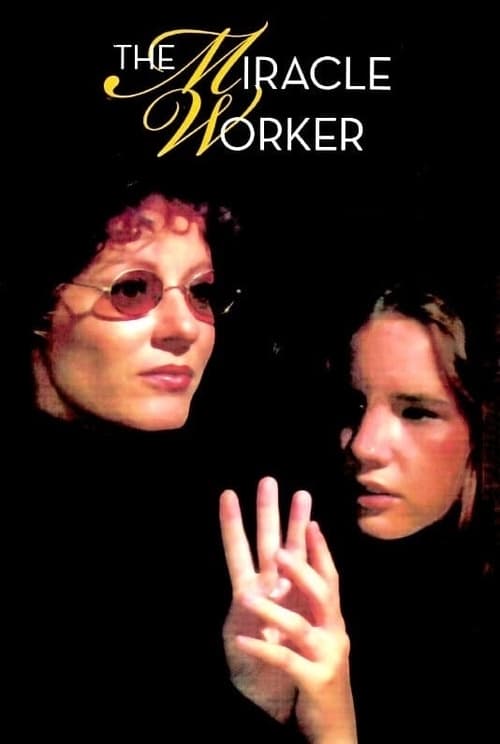
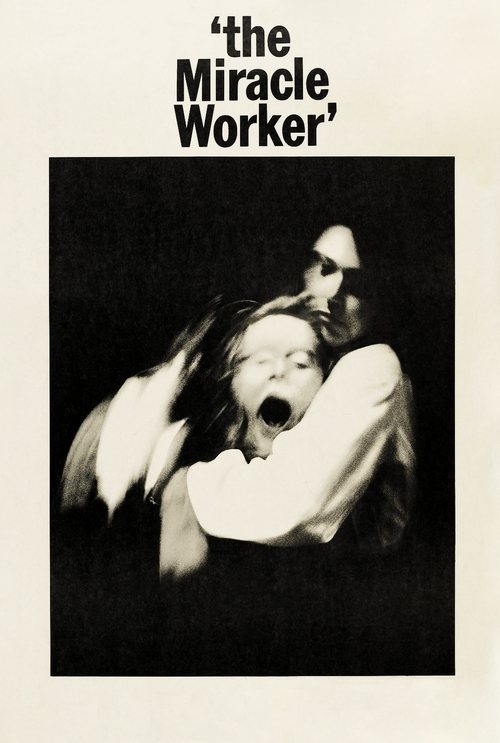
The true story of Helen Keller and Annie Sullivan, a gripping battle to overcome impossible obstacles and the struggle to communicate. As a young girl, Helen Keller is stricken with scarlet fever. The illness leaves her blind, mute, and deaf. Sealed off from the world, Helen cannot communicate with anyone, nor anyone with her. Often frustrated and desperate, Helen flies into uncontrollable rages and tantrums that terrify her hopeless family. The gifted teacher Annie Sullivan is summoned by the family to help the girl understand the world from which she is isolated, freeing Helen Keller from her internal prison forever. Television remake of the 1962 film which also starred Patty Duke in the role of Helen Keller.
2000
1962

1996

2014

1991

2013
2004

1970
No reviews yet. Be the first to share your thoughts on this movie!
Use the rating form above to leave a star rating and optional review.