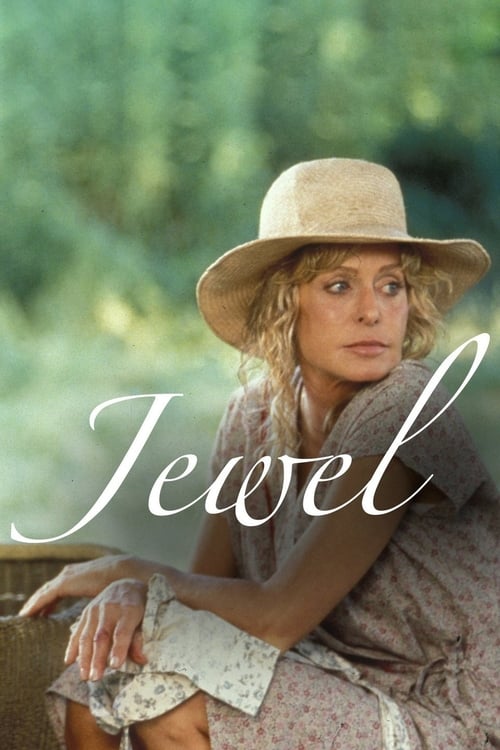
Jewel
2001
No user ratings available yet
Representation score: 5.4 out of 10

Representation Score
Fair
2008
TV-14Director
Mick Jackson
Runtime
90 minutes
Average Rating
No ratings yetNew Showbiz Analysis
The film is a period drama that prioritizes historical accuracy and moral complexity over modern diversity standards. While it lacks LGBTQ+ and racial the way different parts of someone's identity overlap, it succeeds in challenging patriarchal structures of its 1964 setting through strong women's ability to drive the story. The central conflict relies heavily on the presence of a character with Down syndrome. However, the narrative uses this disability as a tool for character development in others rather than establishing independent ability to act for the disabled character. Ultimately, the film's diversity is shaped by its specific historical context. It offers a nuanced critique of institutional authority but remains limited by the demographic homogeneity of its setting.
Category Breakdown
The film does not include any LGBTQ+ characters or explore non-straight-centered identities. The story centers on traditional family structures and reproductive roles of the 1960s.
Women play a central role in driving the film's moral tension, challenging the patriarchal medical practices of the time. They act as primary agents rather than passive subjects of male authority.
The cast is predominantly homogeneous, reflecting the demographic reality of rural Wales in 1964. There is a notable absence of non-Anglo-Saxon perspectives or characters who reflect more than one aspect of diversity.
The narrative critiques mid-century Western institutions by emphasizing situational ethics over rigid legalism. It explores the tension between impersonal state systems and personal morality.
A child with Down syndrome is central to the plot, serving as a catalyst for the protagonists' moral crises. However, the character primarily functions as a plot device for the able-bodied characters.
Present on Screen
Limited or Absent
Official Synopsis
During a blizzard in 1964, Dr. David Henry delivers his son Paul with the help of nurse Caroline. But when Henry realizes his wife is also carrying a girl with Down syndrome, he hands the second child over to Caroline without his wife's knowledge. Henry's fateful decision yields grave consequences for his family over the next 20 years.
2001
1989
1999

2011
1992

1992

2019
2013
No reviews yet. Be the first to share your thoughts on this movie!
Use the rating form above to leave a star rating and optional review.