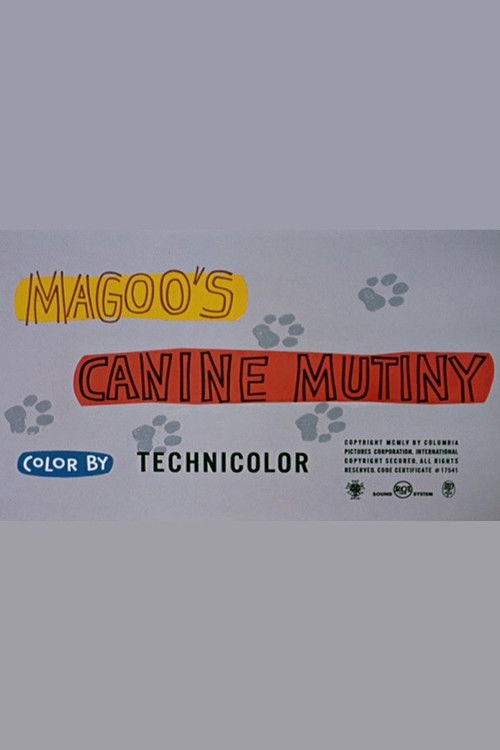
Magoo's Canine Mutiny
1956
No user ratings available yet
Representation score: 1.4 out of 10
Representation Score
Limited
1952
ApprovedDirector
Pete Burness
Runtime
6 minutes
Average Rating
No ratings yetNew Showbiz Analysis
The film is a classic mid-century slapstick short that prioritizes physical comedy over social depth. Its narrative structure revolves around the protagonist's sensory impairment, using his visual mistakes to drive the plot forward through circus-themed chaos. While Mr. Magoo's disability is a key element, it is used primarily for situational irony rather than nuanced representation. The world inhabited by the characters is culturally and racially homogeneous, reflecting the standard comedic clichés of the 1950s. Ultimately, the film lacks intentionality regarding diverse identities. It functions as a lighthearted vignette centered on civic friction and animal-based misunderstandings rather than a vehicle for social commentary.
Category Breakdown
There are no LGBTQ+ characters or explorations of non-cisgender identities in the film. The focus is entirely on Mr. Magoo's comedic misunderstandings.
The story centers on a male protagonist and male authority figures. Women play minor roles, if any, and there is no exploration of women's ability to drive the story.
The setting reflects a homogeneous mid-century Western society. There are no diverse or non-Anglo-Saxon characters indicated in the plot.
The narrative operates within a traditional framework emphasizing civic order and property. It lacks any critique of Western institutions or religious structures.
Mr. Magoo's visual impairment is used primarily as a comedic device for slapstick humor. His mistakes are driven by his inability to see clearly, leading to situational irony.
Present on Screen
Limited or Absent
Official Synopsis
Mr. Magoo's dog is threatened by the dog catcher (who Magoo takes for a policeman). He's given until noon to license it. As he's preparing to leave, a circus goes by; he hitches a ride in a clown car (thinking it's a taxi) and, after a digress through the big top and into the gorilla cage (mayor's office), he ends up in the panther cage. He thinks the panther is his dog, and that he's been captured by the dog catcher, so he slips on the collar and takes it home. When Magoo gets home, the dogcatcher is waiting for him, but at the sight of the panther, he gives Magoo the license and traps the panther under a washtub. As the circus people cart it away, Magoo slips the license onto his tigerskin rug's head.
1956
1956
1957
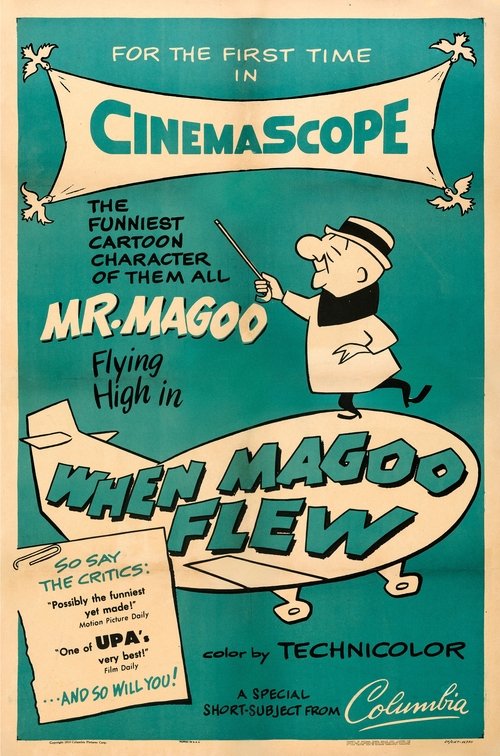
1954
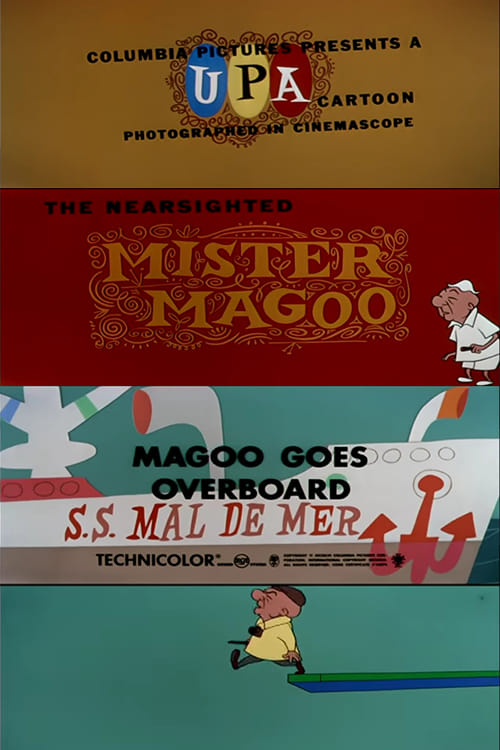
1957
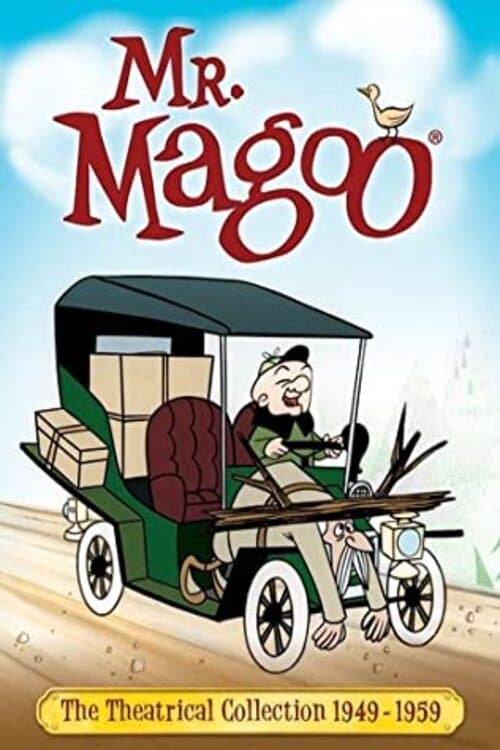
1956
1952
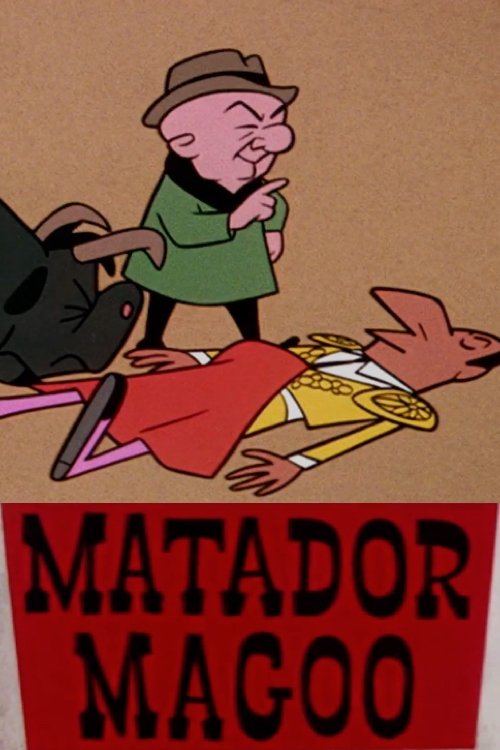
1957
No reviews yet. Be the first to share your thoughts on this movie!
Use the rating form above to leave a star rating and optional review.