
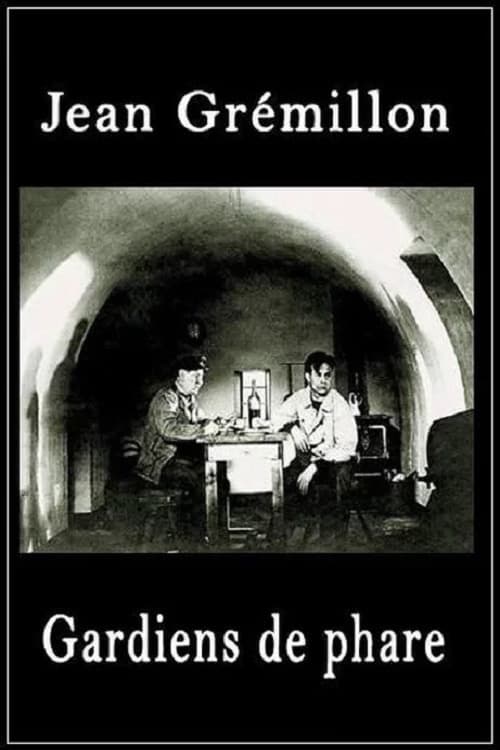
The Lighthouse Keepers
1922
No user ratings available yet
Representation score: 0.8 out of 10
Representation Score
Limited
1929
Director
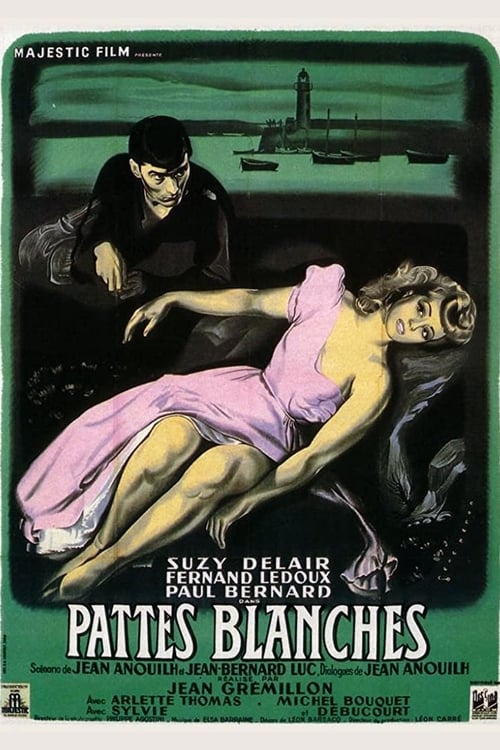
Jean Grémillon
Runtime
82 minutes
Average Rating
No ratings yetNew Showbiz Analysis
Jean Grémillon’s drama is a psychological study of isolation and the breakdown of the human condition. It moves away from heroic archetypes to explore the vulnerability of the individual against nature. The film succeeds in challenging the ideal of the stable, protective family. By showing a father's inability to protect his son, it provides a nuanced look at human helplessness. However, the work remains limited by the social norms of 1929. It lacks racial diversity and relies on traditional gender roles, with the female presence relegated to a passive role.
Category Breakdown
The film does not include any characters with non-straight or non-cisgender identities. The story centers around a traditional family structure with a father, son, and a bride.
Gender roles are traditional, with the bride playing a passive, domestic role. Although the father's helplessness challenges the strong patriarch archetype, men still drive the main conflict.
Set in a rural Brittany village, the film reflects the demographic uniformity of its time. There is no indication of a diverse or non-Anglo-Saxon cast.
The story deviates from traditional family ideals by focusing on madness and paternal failure. The indifferent sea suggests a naturalistic worldview rather than a strictly religious one.
The film examines mental health through the protagonist's descent into madness, highlighting the complexity of psychological instability.
Present on Screen
Limited or Absent
Official Synopsis
In a lighthouse off the coast of Brittany, a young man slowly goes mad following a bite by a rabid dog while his father looks on helplessly. Thwarted by a raging sea, they are prisoners of the lighthouse. In a rustic Brittany village, a young bride waits, unaware of the tragedy.
1922

1926
1929
1928
1934
1941
1949
1927
No reviews yet. Be the first to share your thoughts on this movie!
Use the rating form above to leave a star rating and optional review.