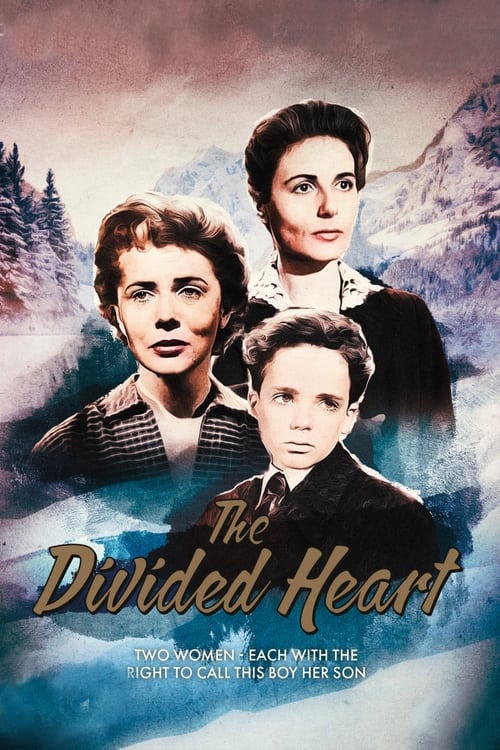
The Divided Heart
1954
No user ratings available yet
Representation score: 2.0 out of 10
Representation Score
Minimal
1953
NRDirector
George Seaton
Runtime
95 minutes
Average Rating
No ratings yetNew Showbiz Analysis
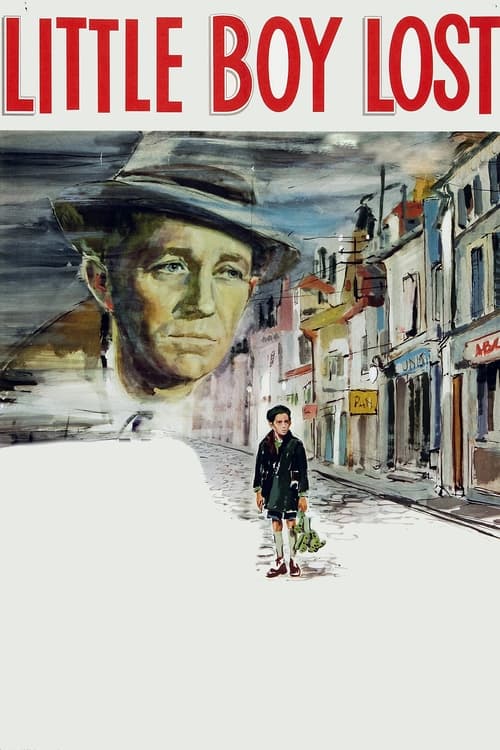
Little Boy Lost is a mid-century drama that emphasizes historical accuracy and conventional moral frameworks over diverse representation. It centers on the personal struggles of individuals during wartime while staying true to established social norms. The film adheres to the traditional studio system, focusing on humanistic themes within a homogeneous social environment. While it delves into the emotional impact of loss, it does so through the lens of historical conventions.
Category Breakdown
The film does not include any visible LGBTQ+ characters or representations of non-straight relationships. The story focuses on traditional romantic and familial bonds.
Female characters have deep emotional journeys and play key roles in dealing with grief. However, the film also upholds mid-century ideas about women being primarily homemakers and caretakers.
The cast is mostly white and European, reflecting the historical context of rural France. There is no indication of diverse racial or ethnic backgrounds.
The story unfolds within a traditional Western framework where the Catholic Church serves as a central institution. It does not question or critique religious or cultural norms.
There are no prominent portrayals of physical or cognitive disabilities. These traits do not drive any major character arcs or plot points.
Present on Screen
Limited or Absent
Official Synopsis
A war correspondent who was stationed in Paris during WW II married a French girl who was murdered by the Nazis. After the war he returns to to try to find his son, whom he lost during a bombing raid but has been told is living in an orphanage in Paris.
1954
1970
1948

1948

1942
1939
1989

1956
No reviews yet. Be the first to share your thoughts on this movie!
Use the rating form above to leave a star rating and optional review.