Little Boy Lost
1953
No user ratings available yet
Representation score: 0.4 out of 10
Representation Score
Limited
1954
ApprovedDirector
Charles Crichton
Runtime
89 minutes
Average Rating
No ratings yetNew Showbiz Analysis
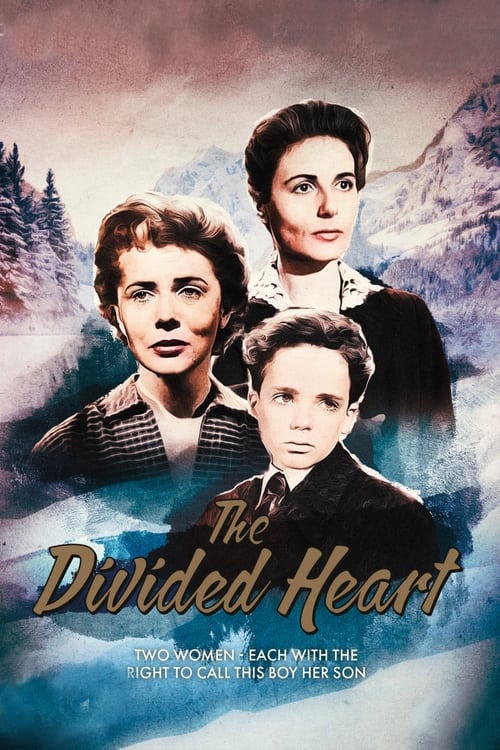
The Divided Heart is a conventional mid-century melodrama that prioritizes the emotional complexities of the nuclear family. While the film centers on a strong female-driven conflict regarding maternal rights, it adheres strictly to the social conventions of its era. The narrative lacks diverse identities and focuses on the tension between biological lineage and adoptive kinship. It functions as a reflection of 1950s values regarding domestic stability and established social roles. Ultimately, the film does not challenge traditional hierarchies or incorporate diverse identities, serving more as a study of wartime displacement and legalistic family structures.
Category Breakdown
The film operates within a strictly heterosexual and cisgender framework. There is no evidence of LGBTQ+ identities or any critique of traditional sexual orientations.
Inga's reclamation of motherhood drives the central conflict, highlighting the strength of women's ability to drive the story. However, the story remains tied to mid-century domesticity and traditional maternal duties.
The narrative reflects the homogeneous social structures of the 1950s. It lacks diverse casting or any disruption of Anglo-centric norms.
The plot reinforces established social institutions like orphanages and legal adoption. It focuses on restoring order rather than critiquing Western cultural structures.
There are no discernible depictions of physical or neurodivergent disabilities within the narrative.
Present on Screen
Limited or Absent
Official Synopsis
During World War II, a German woman, Inga, goes missing and is presumed dead. Her infant son is placed in an orphanage where, years later, he's adopted by a childless couple. The adoptive parents' happiness is shattered when Inga reappears and insists on custody of her son.
1953

1948
1961
1952
1946
1958

1946
1939
No reviews yet. Be the first to share your thoughts on this movie!
Use the rating form above to leave a star rating and optional review.