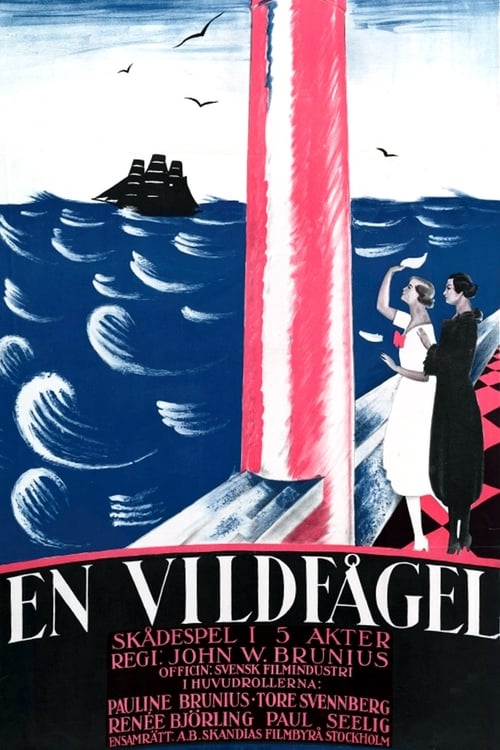
A Wild Bird
1921
No user ratings available yet
Diversity score: 2.6 out of 10
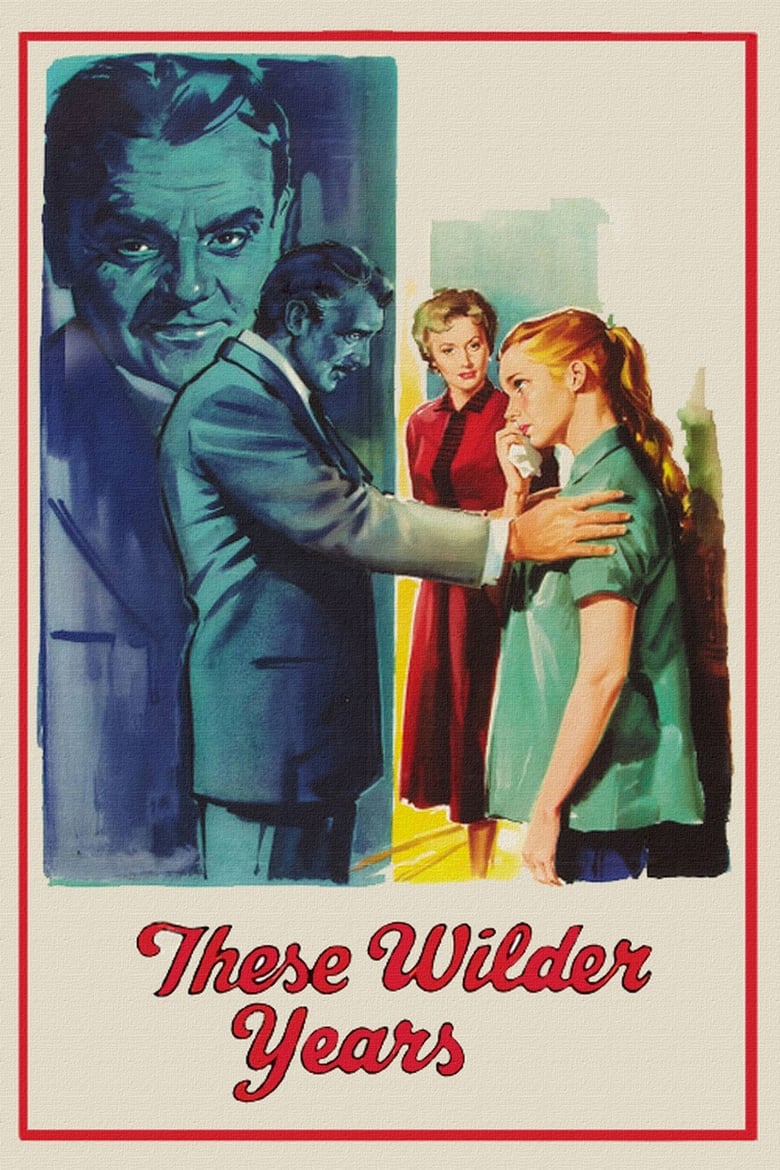
1956
NRDirector
Roy Rowland
Runtime
91 minutes
Average Rating
No ratings yetSynopsis
A man tries to find a son he gave up for adoption years ago.
Overall Score
Minimal
Category Breakdown
LGBTQ+ Representation
The film operates within a strictly heteronormative framework. There is no discernible presence of queer subtext or non-cisnormative identities.
Gender Representation
The narrative follows established mid-century social scripts regarding courtship and domesticity. While exploring masculinity, it does not actively deconstruct traditional gender roles.
Racial & Ethnic Diversity
The ensemble is predominantly homogeneous, reflecting 1950s casting paradigms. There is no evidence of intersectional casting or diverse ethnic backgrounds.
Religious & Cultural Diversity
The story functions within a standard middle-class American framework. It reinforces traditional Western values regarding family and social integration.
Disability Representation
There is no visible or invisible disability representation. The focus remains on psychological maturity rather than neurodivergence or physical disability.
Strengths
Areas for Improvement
AI Analysis
These Wilder Years is a quintessential mid-century drama that prioritizes traditional storytelling over social subversion. The film focuses on the protagonist's journey toward adulthood and his search for a lost son, staying firmly within the era's established social hierarchies. Because the narrative adheres to the conventional studio-system structures of 1956, it lacks intersectional complexity. The film reinforces the prevailing cultural norms of its time rather than challenging them. Ultimately, the work serves as a study of individual maturity within a highly homogeneous and traditional social framework.
1921
1941

2015
1946
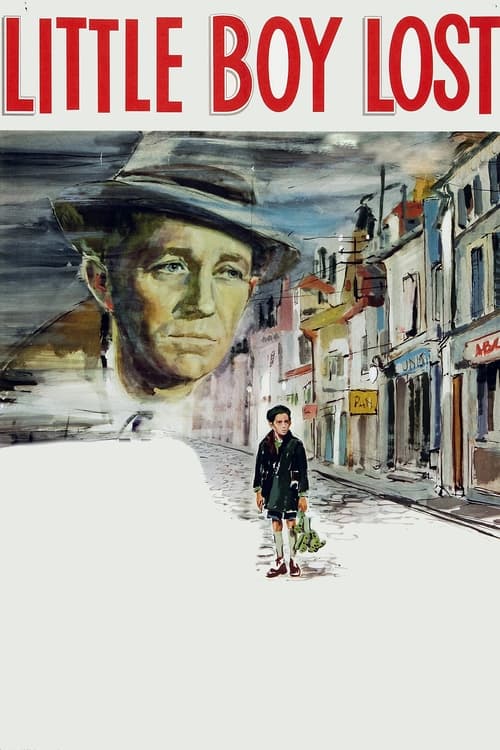
1953

1954

1924
1966

1955

1950
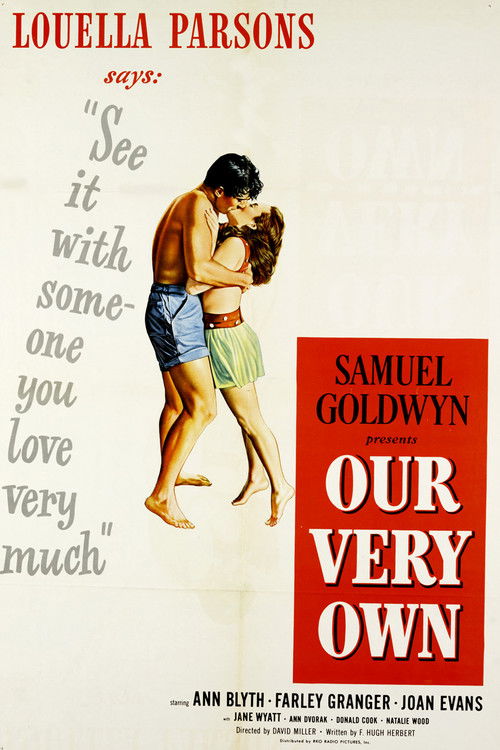
1950

2007
No reviews yet. Be the first to share your thoughts on this movie!
Use the rating form above to leave a star rating and optional review.