
Night Train to Munich
1940
No user ratings available yet
Representation score: 0.4 out of 10
Representation Score
Limited
1964
NRDirector
George Seaton
Runtime
115 minutes
Average Rating
No ratings yetNew Showbiz Analysis
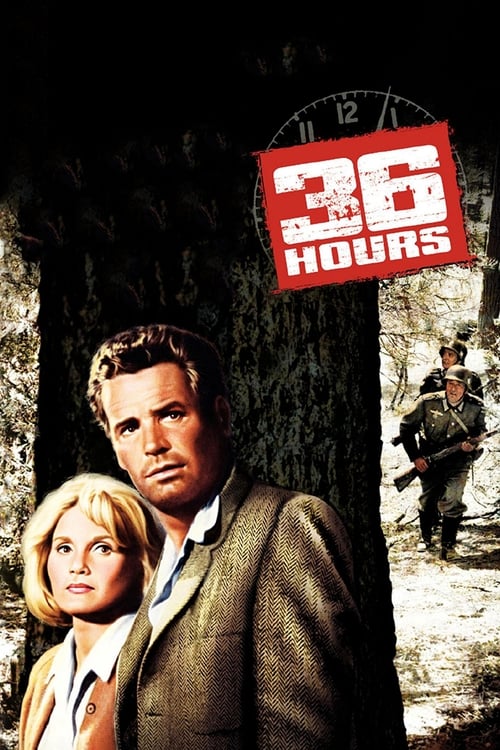
36 Hours is a product of its time, characterized by a traditional demographic makeup and a focus on Western legal ethics. It lacks contemporary characters who reflect more than one aspect of diversity and demographic variety. However, the film achieves progressive value by questioning institutional authority. It uses the legal system as a site of moral conflict rather than an unquestioned source of justice. While the cast and character dynamics are homogeneous, the narrative's strength lies in its sophisticated exploration of situational ethics and the fallibility of the law.
Category Breakdown
The film does not include any LGBTQ+ characters or non-straight identities. It adheres to the social norms of 1964, focusing on traditional romantic and professional roles.
The story centers around a male-dominated procedural environment. While Kim Novak adds emotional depth, her character stays within traditional feminine roles without challenging gender hierarchies.
The cast is mainly white, reflecting a Western perspective. The film lacks meaningful racial diversity or characters of color with significant roles, reinforcing a homogeneous social structure.
The film offers a nuanced look at state-sanctioned institutions and the death penalty. It examines the gap between legal truth and moral truth through a humanitarian viewpoint.
There are no prominent depictions of physical or neurodivergent disabilities. The story focuses on psychological tension and legal strategies rather than the lived experiences of people with disabilities.
Present on Screen
Limited or Absent
Official Synopsis
Germans kidnap an American major and try to convince him that World War II is over, so that they can get details about the Allied invasion of Europe out of him.
1940
1952
1946
1943

2004

1956
1957

1976
No reviews yet. Be the first to share your thoughts on this movie!
Use the rating form above to leave a star rating and optional review.