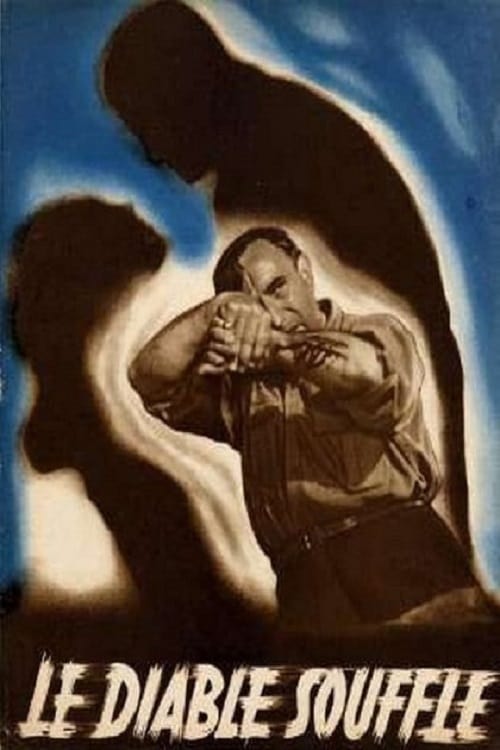
Woman of Evil
1947
No user ratings available yet
Diversity score: 3.1 out of 10
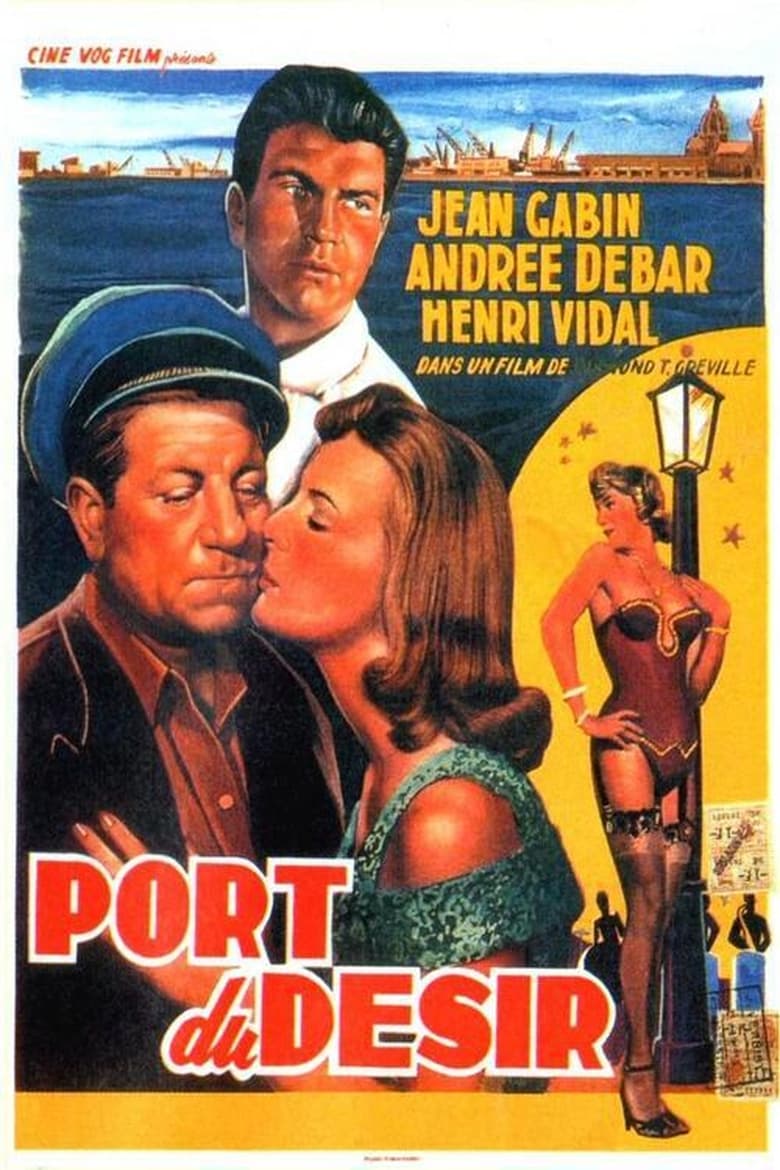
1955
Director
Edmond T. Gréville
Runtime
94 minutes
Average Rating
No ratings yetSynopsis
Martine is searching for her sister that disappeared mysteriously. Lequévic agrees to help her.
Overall Score
Limited
Category Breakdown
LGBTQ+ Representation
The film adheres to traditional mid-century heteronormative structures. There is no evidence of non-cisnormative gender identities or same-sex intimacy within the central plot.
Gender Representation
Joan Collins’ character drives the plot through the 'femme fatale' trope. However, her agency is largely tied to criminal intrigue and her role in the male protagonist's peril.
Racial & Ethnic Diversity
Set in the London docks, the film reflects the homogeneous demographic norms of 1950s British crime dramas. The casting lacks significant racial blending or non-white majority representation.
Religious & Cultural Diversity
The narrative explores a gritty underworld through the lens of traditional morality. It focuses on crime and consequence rather than critiquing Western institutions or social stability.
Disability Representation
There is no discernible focus on neurodivergence, physical disabilities, or chronic illness. Characters are defined by socioeconomic status and criminal involvement instead.
Strengths
Areas for Improvement
AI Analysis
House on the Waterfront is a quintessential mid-century noir that prioritizes genre tropes over intersectional exploration. It functions as a standard period piece, reflecting the demographic and moral constraints of 1950s British cinema. The film relies heavily on established social hierarchies. While it offers a compelling look at the London docks, it does so through a very narrow, Anglo-centric lens that lacks diverse representation. Ultimately, the work serves as a reflection of its era's cinematic conventions, focusing on suspense and crime rather than subverting social norms or presenting diverse lived experiences.
1947
1973

2016
1913

1954
1961
1929
1926

2015
1953

1968
1946
No reviews yet. Be the first to share your thoughts on this movie!
Use the rating form above to leave a star rating and optional review.