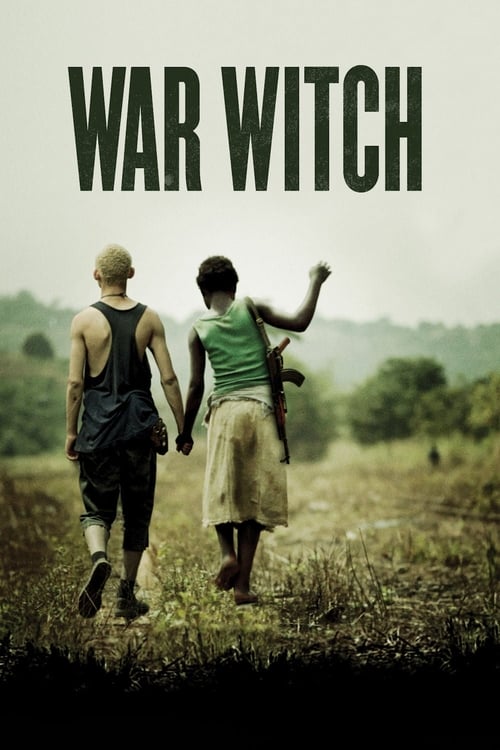
War Witch
2012
No user ratings available yet
Representation score: 7.2 out of 10
Representation Score
Good
2010
Director
Juanita Wilson
Runtime
109 minutes
Average Rating
No ratings yetNew Showbiz Analysis
Juanita Wilson’s drama is a visceral exploration of survival during the Bosnian War, centering on the harrowing experiences of women facing systemic violence. The film shifts the narrative lens away from traditional male-driven war clichés, focusing instead on the resilience of female protagonists in the face of institutional collapse. The work excels by avoiding a Western perspective, providing an authentic look at non-Western perspectives and the socioeconomic drivers of exploitation. It uses the chaos of conflict to critique global hierarchies that leave underrepresented populations vulnerable. While the film is deeply impactful regarding gender and cultural ability to act, it lacks representation for LGBTQ+ identities and specific physical or neurodivergent disabilities. The focus remains narrow, centered on the immediate, brutal realities of wartime survival.
Category Breakdown
The film focuses solely on survival during wartime and socioeconomic crises. There is no representation of LGBTQ+ identities or narratives addressing the assumption that everyone is straight or cisgender.
The film highlights the ability to act and resilience of women facing extreme systemic violence. It subverts traditional gender clichés by showing the collapse of masculine institutional protection.
The film centers a non-Western perspective, focusing on the lived experiences of local characters and avoiding the Western gaze. It prioritizes local ability to act and authenticity.
The story critiques global economic structures and systemic failures. It challenges Western-centric moralities by exploring the ethically complex environments necessitated by survival.
The film explores systemic trauma and the physical toll of poverty but lacks specific character arcs dedicated to neurodivergence or physical impairments.
Present on Screen
Limited or Absent
Official Synopsis
A harsh dose of cinematic realism about a harsh time – the Bosnian War of the 1990s – Juanita Wilson's drama is taken from true stories revealed during the International Criminal Tribunal in The Hague. Samira is a modern schoolteacher in Sarajevo who takes a job in a small country village just as the war is beginning to ramp up. When Serbian soldiers overrun the village, shoot the men and keep the women as laborers (the older ones) and sex objects (the younger ones), Samira is subjected to the basest form of treatment imaginable.
2012
1996
1997
1998

2004
1997

2013
2018
No reviews yet. Be the first to share your thoughts on this movie!
Use the rating form above to leave a star rating and optional review.