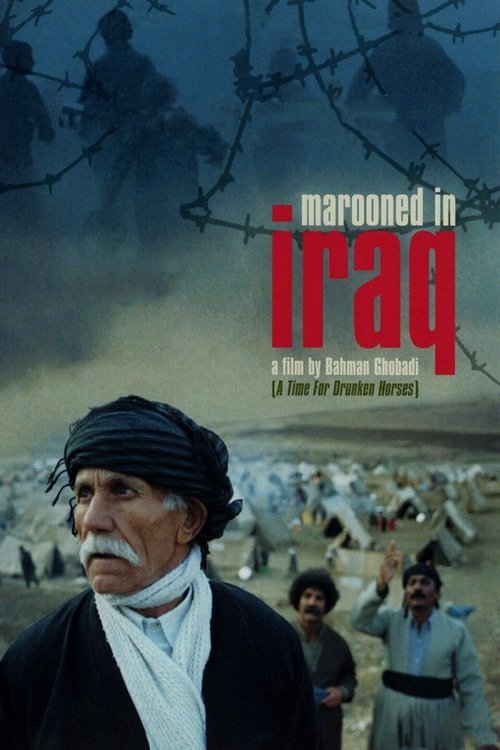
Marooned in Iraq
2002
No user ratings available yet
Diversity score: 5.8 out of 10
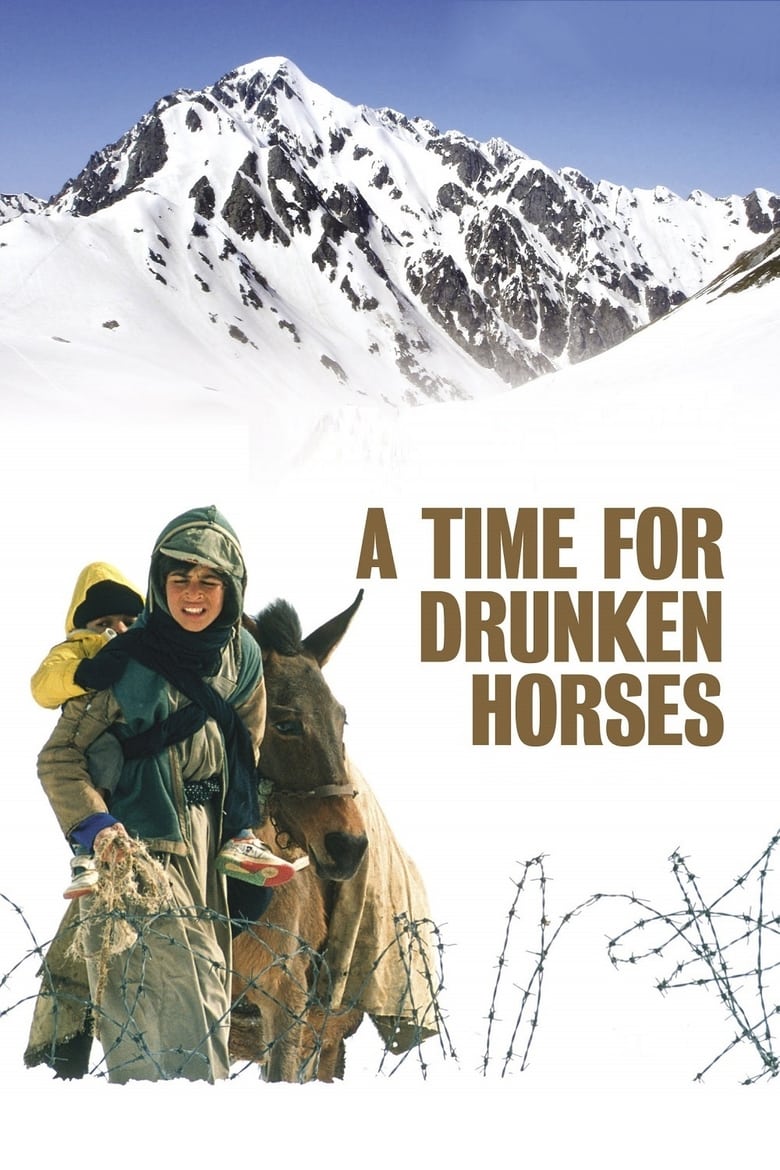
2000
Not RatedDirector
Bahman Ghobadi
Runtime
80 minutes
Average Rating
No ratings yetSynopsis
After their father dies, a family of five children are forced to survive on their own in a Kurdish village on the border of Iran and Iraq.
Overall Score
Good
Category Breakdown
LGBTQ+ Representation
The film contains no LGBTQ+ characters or explorations of non-cisnormative identities. The narrative focuses entirely on the survival of a Kurdish family within a traditional rural setting.
Gender Representation
The story operates within a patriarchal structure centered on male figures. While not promoting misogyny, the film depicts traditional gender roles dictated by the harsh necessity of survival.
Racial & Ethnic Diversity
The film offers exceptional representation of the Kurdish minority. It centers the Kurdish experience in the Iran-Iraq borderlands, providing high agency to characters navigating systemic neglect.
Religious & Cultural Diversity
The narrative critiques state institutions and their failure to support marginalized populations. It prioritizes survivalist reality over religious or patriotic ideals, highlighting systemic institutional neglect.
Disability Representation
The film portrays the physical toll of poverty and lack of medical access. The dying father drives the plot, though his condition is used primarily to fuel familial desperation.
Strengths
Areas for Improvement
AI Analysis
Bahman Ghobadi’s film is a powerful piece of intersectional storytelling that centers the Kurdish experience. It succeeds by disrupting homogeneous state narratives and providing a voice to a marginalized ethnic group navigating geopolitical borders. However, the film remains tethered to traditional social structures. It lacks representation for LGBTQ+ identities and does not actively work to subvert established gender hierarchies, focusing instead on the immediate socioeconomic struggle of the family unit. Ultimately, the work excels as a critique of institutional failure. It uses the specificities of Kurdish life to explore how identity and geography intersect to create unique, desperate modes of survival.
2002

2005
2017
2013
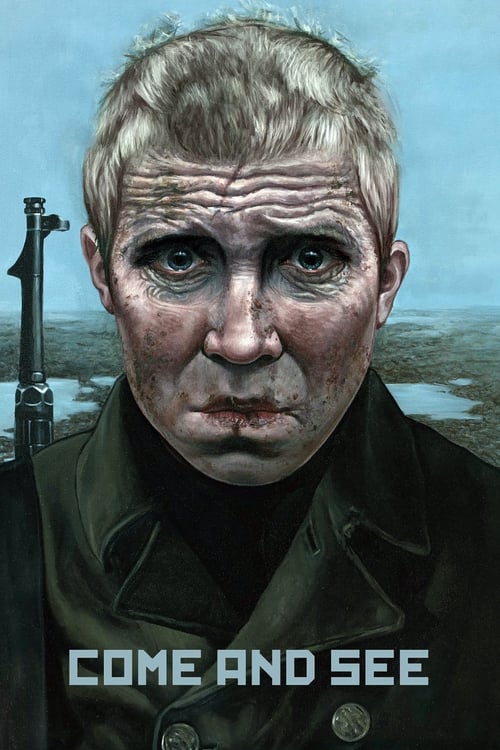
1985
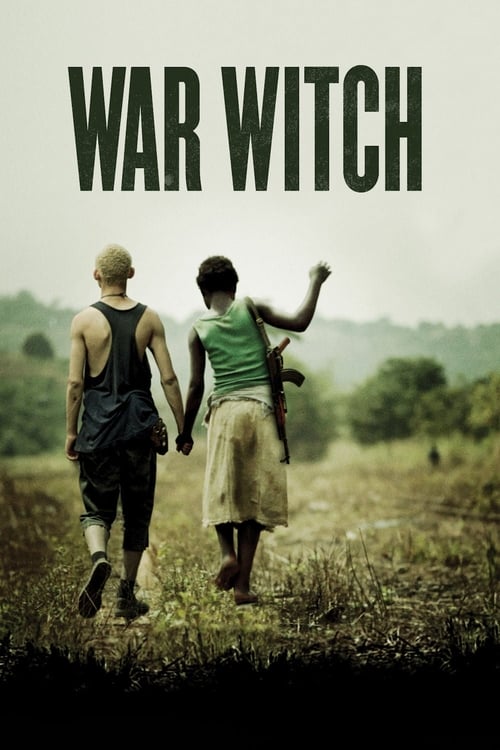
2012
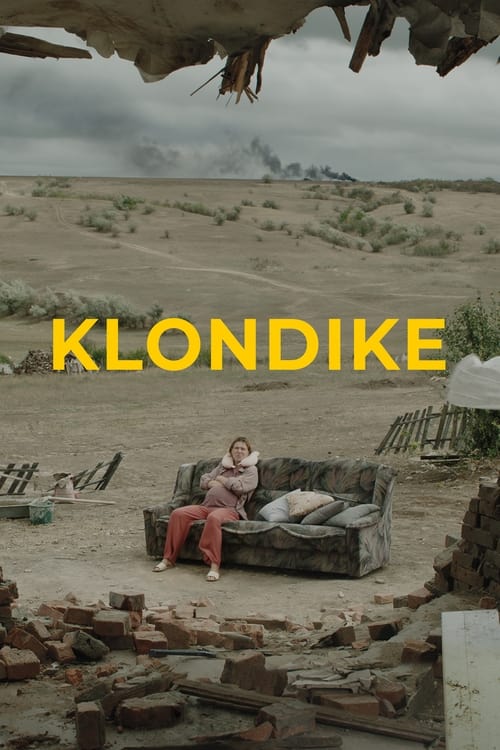
2022
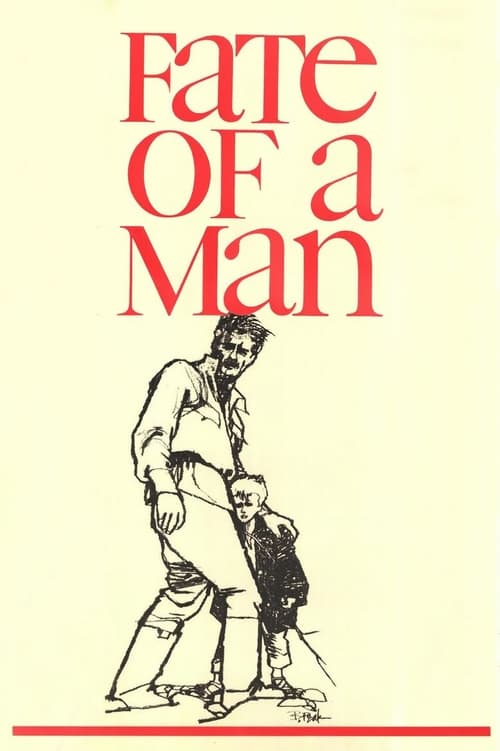
1959
2009
1997
2013
2014
No reviews yet. Be the first to share your thoughts on this movie!
Use the rating form above to leave a star rating and optional review.